
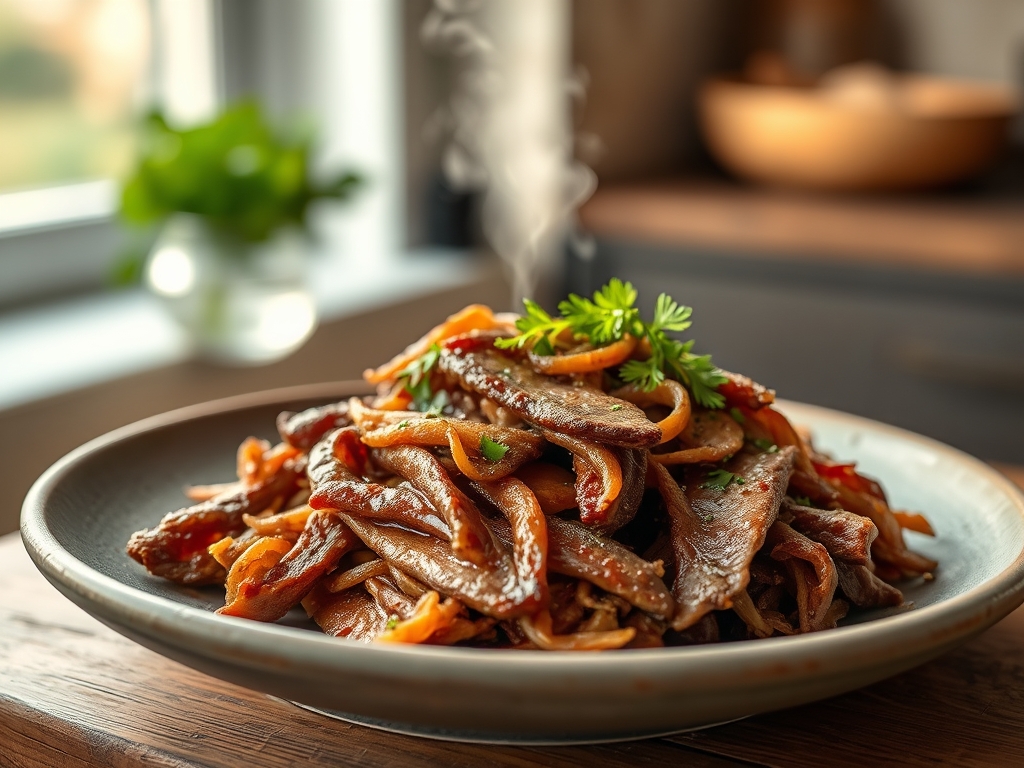
Picture this: a heavy-bottomed Dutch oven sits on your range, exhaling a cloud of steam that smells of toasted cumin and rich, rendered fat. You lift the lid, and the meat practically surrenders at the mere sight of a fork. Finding the perfect shredded beef recipes ideas is less about a single dish and more about mastering a foundational technique that unlocks ten different worlds of flavor. Whether you are craving the piquant snap of a street taco or the velvety comfort of a ragu, the secret lies in the molecular breakdown of connective tissue.
When we talk about the best shredded beef recipes ideas, we are really talking about the transformation of collagen into gelatin. This is not just cooking; it is edible alchemy. You start with a tough, stubborn cut of chuck or brisket and, through the magic of low and slow heat, turn it into something so succulent it feels like silk on the tongue. We are going to dive into the mechanics of the sear, the chemistry of the braise, and exactly how to pivot one batch of beef into a week of culinary masterpieces. Grab your favorite apron; we are going to get technical, messy, and very well-fed.
The Gathers:
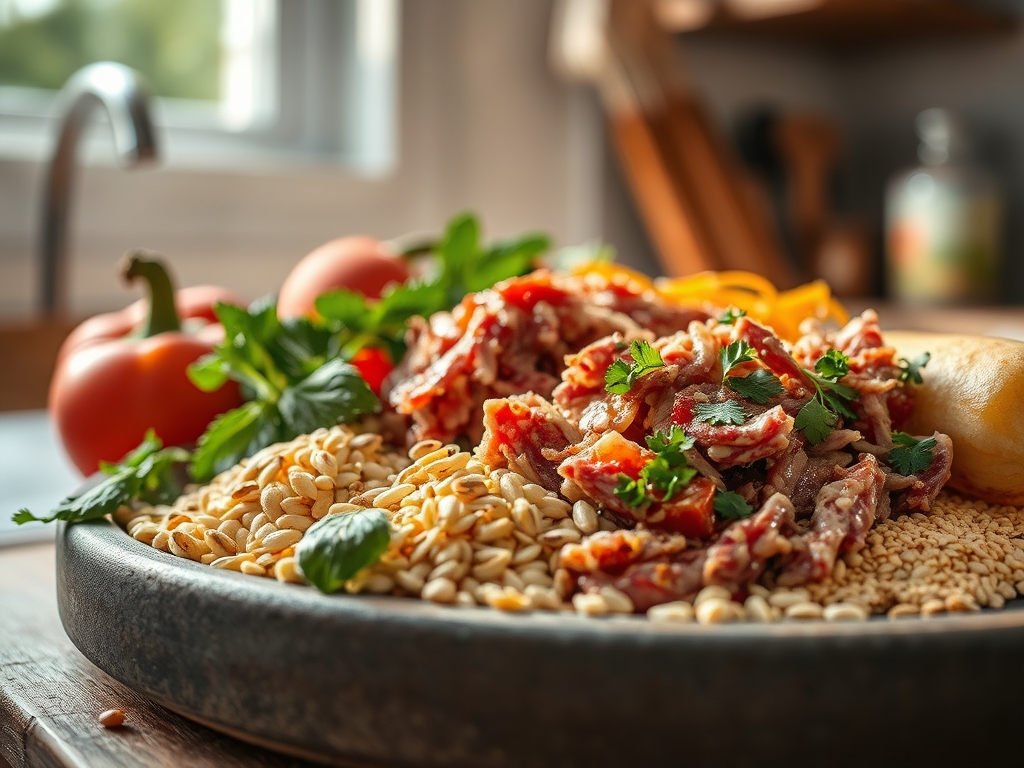
To execute these shredded beef recipes ideas, your mise-en-place must be precise. Start with a five-pound Chuck Roast. This specific cut is prized for its high intramuscular fat and collagen content. You will also need coarse kosher salt; the large grains are essential for creating a jagged surface area that encourages the Maillard reaction. For your aromatics, gather whole garlic cloves, yellow onions, and a bouquet garni of thyme and bay leaves.
Your liquid gold is a high-quality beef bone broth. Look for one that is viscous at room temperature; this indicates a high protein content which provides a superior mouthfeel. For acidity, keep a bottle of apple cider vinegar or a dry red wine like Cabernet Sauvignon nearby. The acid acts as a chemical tenderizer, weakening the muscle fibers before the heat even takes over.
Smart Substitutions:
If you cannot find chuck, a Bottom Round or Brisket works beautifully, though they may require an extra thirty minutes of cook time due to their denser grain. For a night-shade free version of spicy recipes, swap chili flakes for a generous grating of fresh horseradish using your microplane. If you are avoiding alcohol, a splash of pomegranate juice offers the same tannins and acidity as red wine without the ethanol.
The Clock:
Mastering the "Chef's Flow" is about overlapping tasks so you aren't standing around watching a pot boil. Your active prep time is roughly 25 minutes. This includes trimming excess silver skin with a sharp boning knife and searing the meat. The passive cook time is where the heavy lifting happens: 3 to 4 hours in a conventional oven at 300 degrees Fahrenheit, or 8 hours on a low setting in a slow cooker.
The flow looks like this: While the oven preheats, sear your beef. While the beef sears, chop your aromatics. Once the pot is in the oven, you have a massive window to prep your "ten ideas" components; pickling red onions, blending a salsa verde, or whisking together a horseradish cream. This staggered approach ensures that by the time the beef is ready to be shredded with your tongs, your garnishes are chilled and flavorful.
The Masterclass:
1. The Aggressive Sear
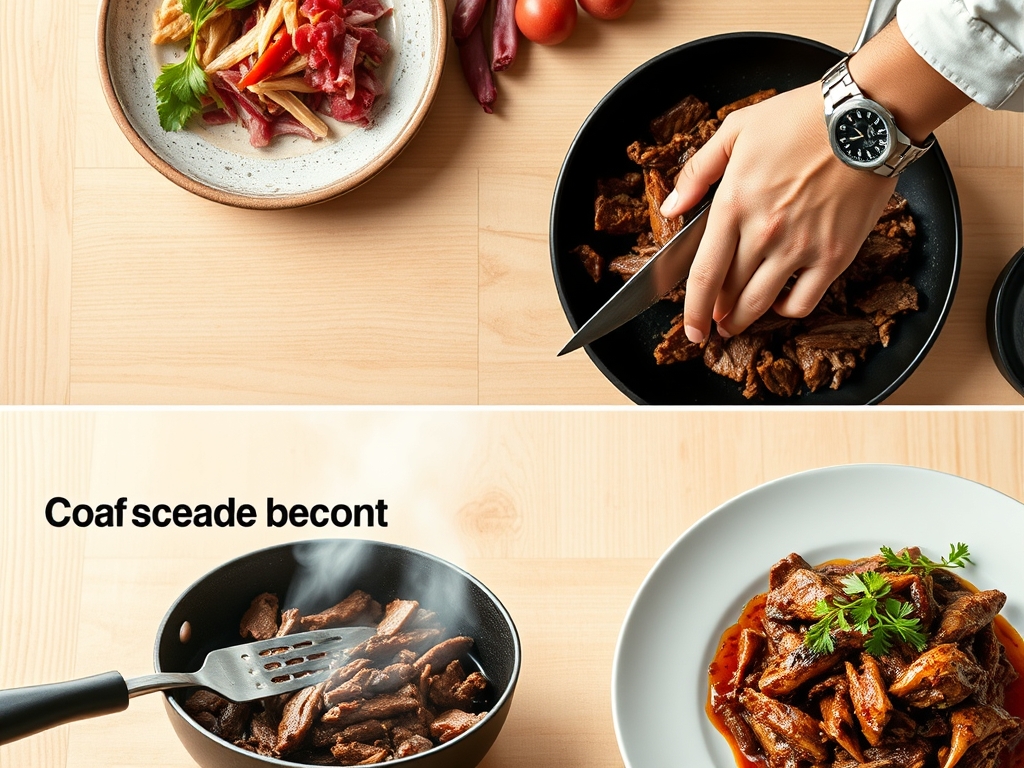
Pat the beef completely dry with paper towels. Season aggressively with salt and pepper. Heat a heavy-bottomed skillet or Dutch oven with high-smoke-point oil until it shimmers. Place the meat in and do not move it for four minutes.
Pro Tip: This creates enzymatic browning (the Maillard reaction). If the meat is wet, it will steam instead of sear, depriving you of those complex, savory flavor compounds that only form above 300 degrees Fahrenheit.
2. Deglazing the Fond
Remove the meat and toss in your onions. Once they are translucent, pour in your liquid (wine or broth). Use a bench scraper or wooden spoon to scrape up the brown bits stuck to the bottom.
Pro Tip: Those brown bits are called fond. They are concentrated essences of beef and salt. Incorporating them into the braising liquid creates a deeply savory, umami-rich base that prevents the final dish from tasting flat.
3. The Low and Slow Braise
Return the beef to the pot. The liquid should only come halfway up the side of the meat. Cover tightly and place in the oven.
Pro Tip: This is a moist-heat cooking method. By only partially submerging the meat, you allow the top half to roast while the bottom half braises. This creates a more complex flavor profile than total immersion.
4. The Rest and Shred
Once the internal temperature hits 205 degrees Fahrenheit, remove the meat. Let it sit in the liquid for at least 20 minutes before using two forks to pull it apart.
Pro Tip: This allows for thermal carryover and reabsorption. If you shred it immediately, the steam (moisture) escapes into the air, leaving you with dry, stringy meat. Letting it rest ensures the juices stay inside the fibers.
The Deep Dive:
When we look at the macro nutrition of these shredded beef recipes ideas, we are seeing a powerhouse of protein and essential minerals like Zinc and B12. A standard 4-ounce serving provides roughly 25g of protein and 12g of fat.
Dietary Swaps:
For a Keto profile, serve the beef over cauliflower mash or inside lettuce cups. To make this Gluten-Free, ensure your beef broth is certified and use tamari instead of soy sauce if your recipe calls for it. For a Vegan alternative, follow the same flavor profile using King Oyster mushrooms; their fibrous stems shred in a way that is eerily similar to beef.
The Fix-It:
- Tough Meat: If it won't shred, it hasn't cooked long enough. Put it back in. The collagen hasn't hit the melting point yet.
- Greasy Sauce: If the liquid is too oily, use a fat separator or chill the liquid so the fat hardens on top for easy removal.
- Bland Beef: You likely under-salted at the start. Add a splash of fish sauce or soy sauce at the end; it boosts the salt and the umami simultaneously.
Meal Prep Science:
To maintain "day-one" quality, store the shredded beef in its own braising liquid. When reheating, use a saucier over medium heat. The gelatin in the liquid will melt back into a viscous sauce, re-hydrating the meat fibers and preventing that "leftover" cardboard texture.
The Wrap-Up:
You are now armed with the technical prowess to turn a humble roast into ten spectacular meals. From crispy beef carnitas to rich ragu, the possibilities are limited only by your pantry. Remember, the secret is in the sear and the patience of the braise. Go forth, use your digital scale for precision, and treat your kitchen like the laboratory of deliciousness it is. You have got this!
The Kitchen Table:
What is the best cut for shredded beef?
The Chuck Roast is the undisputed champion. Its high fat content and connective tissue break down into gelatin during the long cooking process, ensuring the meat remains moist and tender rather than dry and stringy.
Can I overcook shredded beef in a slow cooker?
Yes. While it is hard to do, cooking beef past the point where the fibers have broken down will result in "mushy" meat. Aim for the point where it just yields to a fork.
How do I make the beef crispy?
After shredding, spread the beef on a sheet pan and broil it for 3-5 minutes. This creates "carnitas-style" crispy edges through rapid dehydration and additional Maillard browning on the increased surface area.
Why is my shredded beef dry?
You likely shredded it while it was too hot or cooked it without enough liquid. Always let the meat rest in its juices before pulling it apart to allow for moisture reabsorption.