
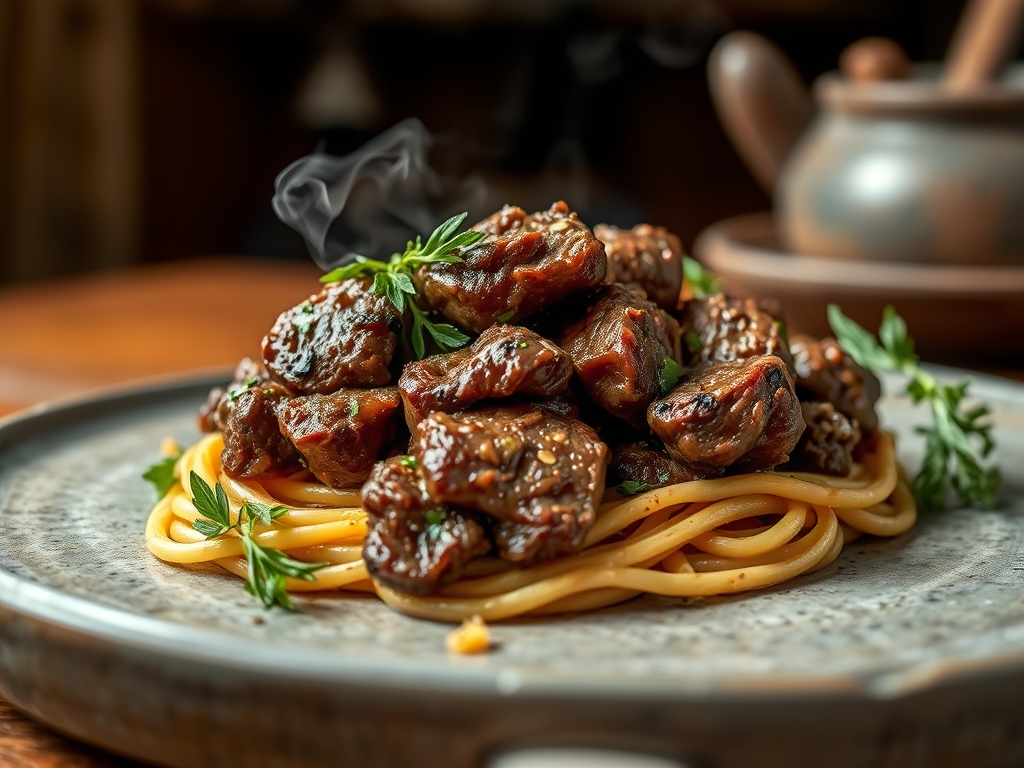
Close your eyes and imagine the scent of a kitchen where the heavy, iron-rich aroma of beef meets the grassy, gamey perfume of pasture-raised lamb. It is a scent that feels like a warm hug from a sophisticated stranger. When you master lamb ground beef recipes, you are not just making dinner; you are conducting a symphony of fats and proteins. The beef provides the structural integrity and the familiar savory baseline, while the lamb introduces a complex, volatile aromatic profile that elevates a simple patty into a gourmet experience. This blend is the secret weapon of Mediterranean and Middle Eastern cuisines, prized for its ability to stay incredibly moist even under high heat. We are moving beyond the basic burger into a realm where fat ratios and Maillard reactions reign supreme. Whether you are crafting a silk-smooth kofta or a rugged, rustic ragu, the synergy between these two meats creates a depth of flavor that beef alone simply cannot achieve. Grab your favorite apron; we are about to turn your kitchen into the hottest bistro in town.
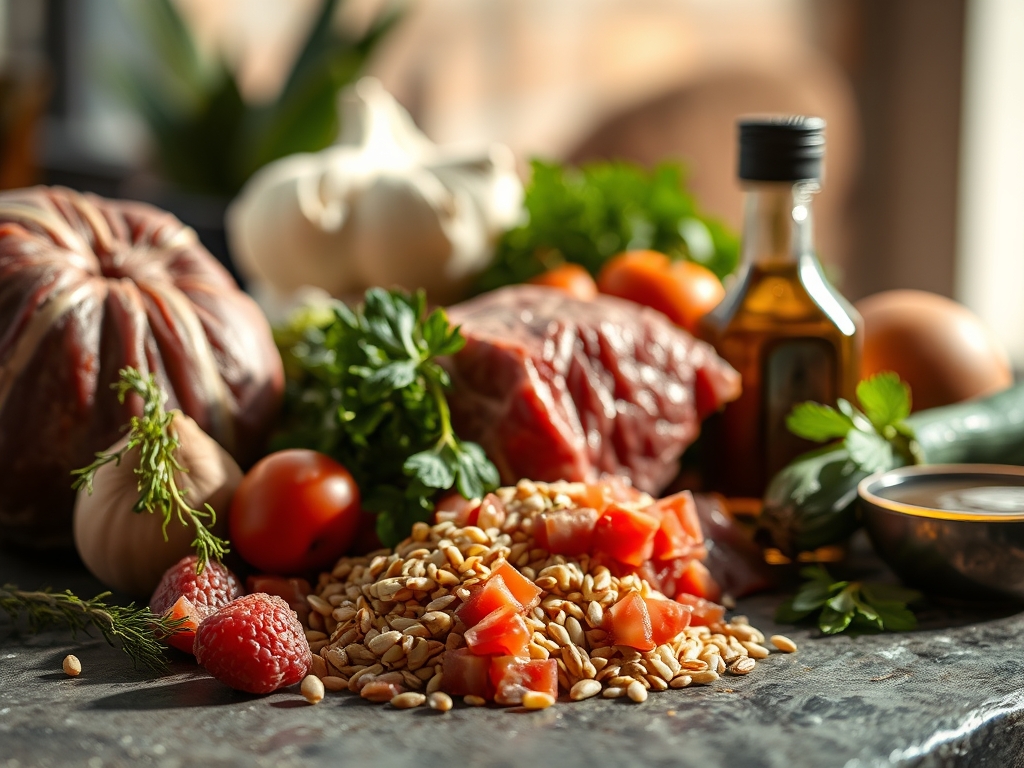
The Gathers:
To execute these blends with precision, your mise-en-place must be impeccable. Start with a 50/50 or 70/30 beef-to-lamb ratio. Use a digital scale to ensure accuracy, as the fat content varies wildly between the two. You will need high-quality sea salt to initiate protein denaturation, which helps the meat retain moisture. Fresh aromatics are non-negotiable; think grated garlic for a viscous paste and shallots finely minced with a bench scraper to ensure they disappear into the texture of the meat.
For the piquant kick, gather toasted cumin seeds and smoked paprika. If you are looking for smart substitutions, use ground mushrooms to add bulk and umami without altering the fat profile. If you cannot find ground lamb, pulse a chilled lamb shoulder in a food processor until it reaches a coarse grind. Always keep your fats cold; if the fat begins to render on your cutting board, you lose the emulsion that makes the final dish juicy. Professional chefs often use a microplane to zest lemon directly into the mix, adding a bright acidity that cuts through the heavy lipids.
The Clock: Timing the Chef's Flow
Efficiency in the kitchen is about managing the "Chef's Flow." Expect a prep time of 20 minutes to properly chill and hydrate your aromatics. The cooking time varies from 8 minutes for high-heat searing to 45 minutes for a slow-simmered sauce. The most critical time block is the 10-minute rest period. During this window, thermal carryover allows the internal temperature to rise by about five degrees, ensuring the juices redistribute rather than flooding your plate. If you are meal prepping, allocate an extra 15 minutes for flash-chilling to prevent bacterial growth and preserve the integrity of the fats.
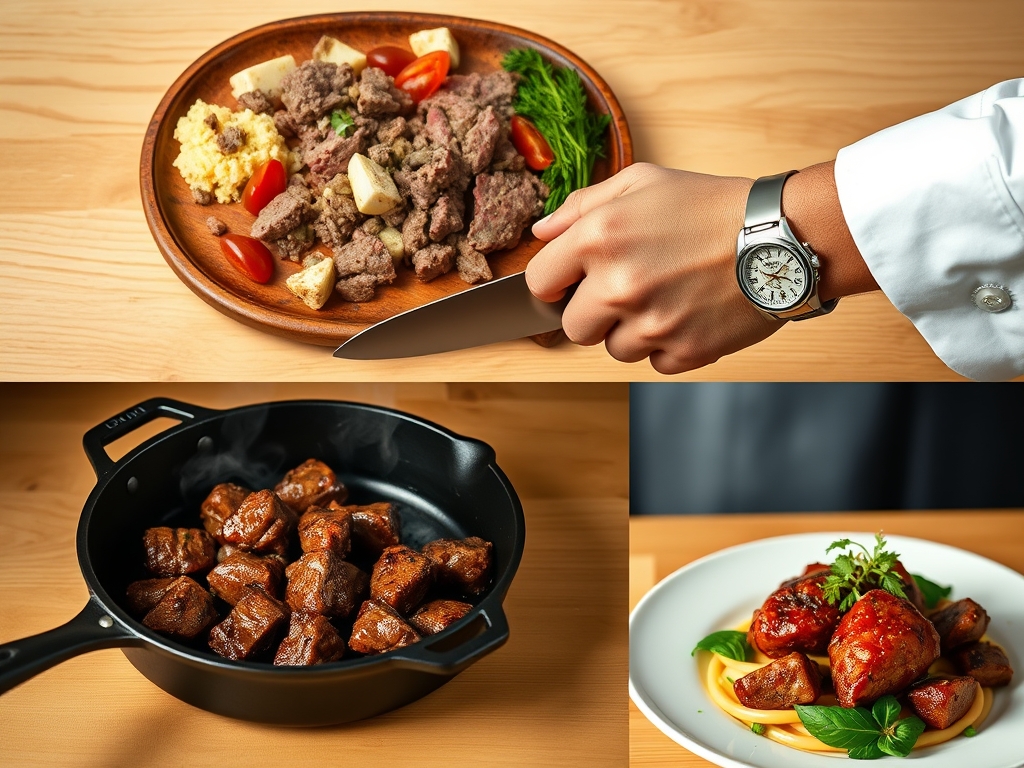
The Masterclass:
1. The Cold Bind Technique
Combine your chilled meats in a stainless steel bowl. Use your hands to gently fold the beef and lamb together until just incorporated. Do not overwork the meat, or you will end up with a rubbery texture.
Pro Tip: Keeping the meat near 34 degrees Fahrenheit prevents the fat from melting prematurely. This ensures a distinct "crumb" in the final texture rather than a dense, homogenous mass.
2. Infusing the Aromatics
Incorporate your dry spices and wet aromatics. Use a folding motion rather than a squeezing motion. This allows air to aerate the mixture, making the final result lighter on the palate.
Pro Tip: This is the stage where enzymatic browning begins. Adding a pinch of baking soda can slightly raise the pH level, accelerating the Maillard reaction once the meat hits the pan.
3. The Precision Sear
Heat a heavy-bottomed skillet until it is wispy with smoke. Place your portions in the pan using tongs. Do not crowd the surface, as this causes the temperature to drop and the meat to steam rather than sear.
Pro Tip: The Maillard reaction occurs most effectively between 280 and 330 degrees Fahrenheit. A high-quality sear creates hundreds of new flavor compounds that give the meat its characteristic "roasted" taste.
4. Deglazing for Depth
Once the meat is browned, remove it and use a liquid like red wine or beef stock to deglaze the pan. Use a wooden spoon to scrape up the "fond," which is the concentrated essence of the meat.
Pro Tip: The fond contains caramelized proteins and sugars. Incorporating this back into a sauce or over the meat creates a cohesive flavor bridge between the crust and the interior.
5. The Low and Slow Finish
If you are making a ragu or meatloaf, transfer the mixture to a saucier or oven-safe dish. Lower the heat to allow the collagen to break down into gelatin, which provides a silky mouthfeel.
Pro Tip: This process, known as hydrolysis, transforms tough connective tissues into rich, lip-smacking goodness. It requires steady, low heat to avoid toughening the muscle fibers.
The Deep Dive:
From a macro nutrition perspective, this blend is a powerhouse. You are looking at high-quality bioavailable protein, Vitamin B12, and Zinc. The lamb adds a higher concentration of Conjugated Linoleic Acid (CLA) compared to beef alone. For those on a Keto or Paleo path, this is a dream. If you are Gluten-Free, simply swap breadcrumb binders for almond flour or crushed pork rinds to maintain that essential structure.
The Fix-It:
- Dry Meat: If your blend feels like sawdust, you likely overcooked it or used too lean a mix. Fix it by folding in a tablespoon of cold butter or heavy cream before the final sear.
- Falling Apart: If your koftas are crumbling, the protein bind is weak. Fix it by "slapping" the meat against the side of the bowl to develop the myosin, the protein responsible for stickiness.
- Too Much Grease: If the pan is drowning in fat, do not pour it down the drain. Carefully spoon it out or use a crust of bread to absorb the excess while leaving the flavor.
Meal Prep Magic: To reheat without losing quality, avoid the microwave. Use a skillet with a splash of water and a lid. This creates a steam chamber that rehydrates the proteins without overcooking the core.
The Wrap-Up:
You are now officially equipped to dominate the world of lamb ground beef recipes. By understanding the science of fat ratios, the importance of temperature control, and the magic of the Maillard reaction, you have moved from a home cook to a culinary scientist. This blend is versatile, exotic, and deeply satisfying. Go ahead and experiment with different spice profiles; your kitchen is your laboratory, and the results are going to be delicious.
The Kitchen Table:
What is the best fat ratio for a lamb and beef blend?
For the juiciest results, aim for a 20% fat content. A mix of 80/20 ground beef and fatty lamb shoulder ensures the meat remains succulent during high-heat cooking without becoming overly greasy or shrinking excessively.
Can I freeze raw lamb and beef blends?
Yes, you can freeze the raw blend for up to three months. Wrap it tightly in plastic wrap and then foil to prevent freezer burn. Defrost slowly in the refrigerator to maintain the structural integrity of the protein fibers.
Why does my ground lamb smell so strong?
The "gamey" scent comes from branched-chain fatty acids. To mellow this, ensure the meat is extremely fresh and cold. Adding acidic components like lemon zest or sumac helps neutralize the intensity of these aromatic compounds during the cooking process.
How do I know when the meat is perfectly cooked?
Use a digital thermometer to check for an internal temperature of 160 degrees Fahrenheit. This ensures food safety while preventing the over-coagulation of proteins, which leads to a dry, rubbery texture in your lamb ground beef recipes.