
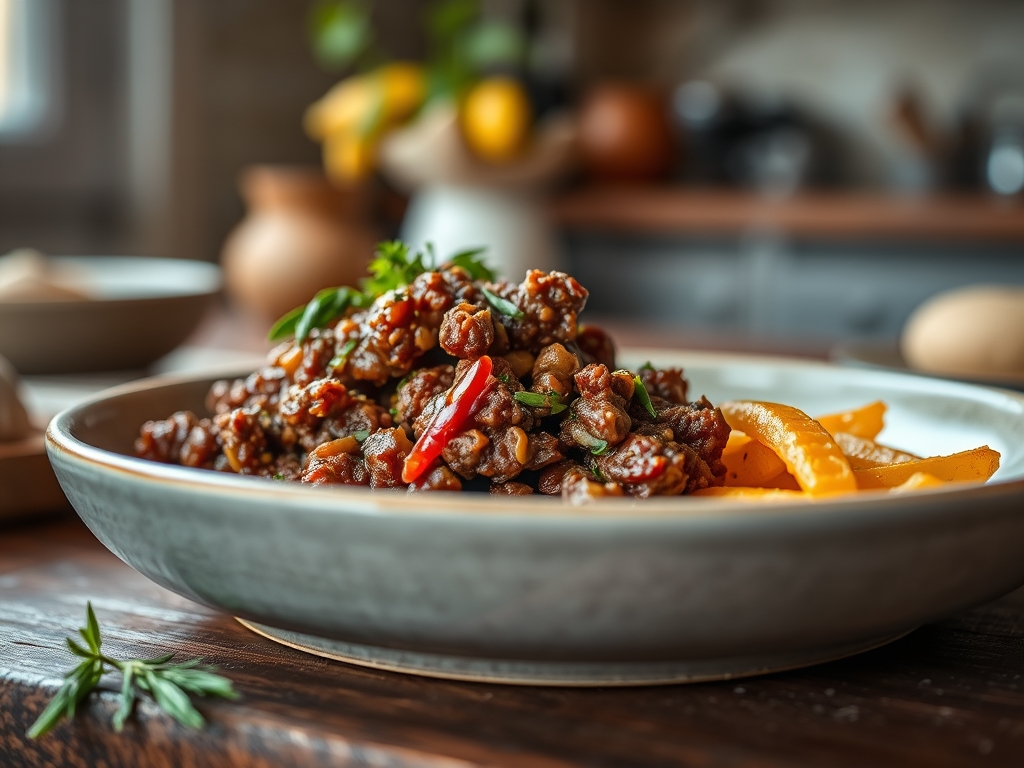
Imagine the hiss of a heavy-bottomed skillet meeting a cold surface. Now, imagine that sound paired with the earthy, savory aroma of a pantry staple transformed into a five-star meal. We are diving deep into the world of canned ground beef recipes; a category often overlooked by the culinary elite but cherished by the strategic home chef. It is time to elevate the humble tin into a masterpiece of texture and flavor.
The secret to mastering canned ground beef recipes lies in understanding that the meat is already cooked. We are not browning for doneness; we are browning for the Maillard reaction. This chemical process occurs when amino acids and reducing sugars react under heat to create those complex, nutty flavors we crave. By manipulating moisture and heat, we can turn a soft, shelf-stable protein into a crispy, piquant base for everything from tacos to stroganoff. Grab your apron and your favorite wooden spoon. We are about to turn "convenience food" into a technical triumph that will fool even the most discerning palate at your dinner table.
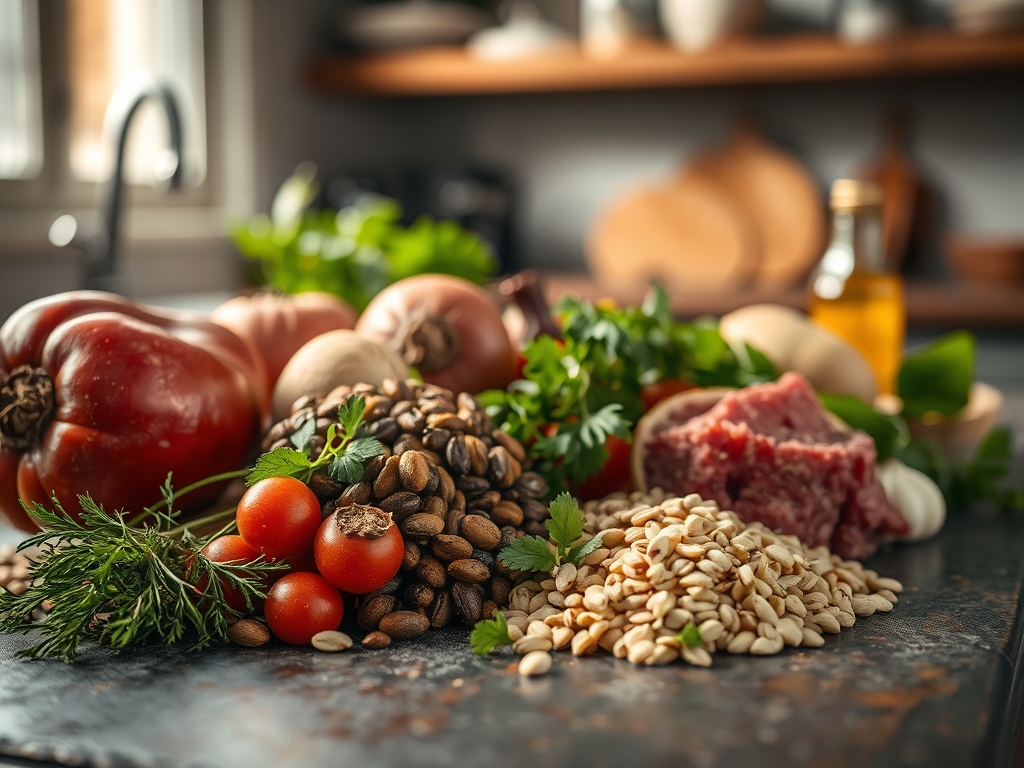
The Gathers:
To execute these hacks, your mise-en-place must be precise. Canned beef is packed in a viscous liquid known as "pot liquor." This liquid is rich in rendered fats and collagen; do not discard it without thought. For these recipes, you will need two 14-ounce cans of high-quality ground beef, one large yellow onion (finely diced to ensure even caramelization), and three cloves of garlic. You should also have a bright acid on hand, such as apple cider vinegar or fresh lime juice, to cut through the richness of the preserved fats.
Smart Substitutions are the hallmark of a clever cook. If you find the texture of canned beef too soft, incorporate a cup of dehydrated soy curls or finely chopped mushrooms. These additives provide a structural "snap" that mimics the resistance of fresh-seared chuck. Use a microplane to zest citrus or grate hard cheeses like Pecorino Romano over your finished dishes to add a high-frequency flavor note that balances the deep, umami bass of the beef.
The Clock
Efficiency in the kitchen is about "Chef's Flow." Because the protein is pre-cooked, your total active time for these canned ground beef recipes is slashed by sixty percent. Expect a prep time of ten minutes for chopping aromatics and a cook time of fifteen minutes for most applications. The goal is to maximize heat during the first five minutes to evaporate residual moisture, followed by a ten-minute infusion period where the beef absorbs your spices and sauces.
The Masterclass
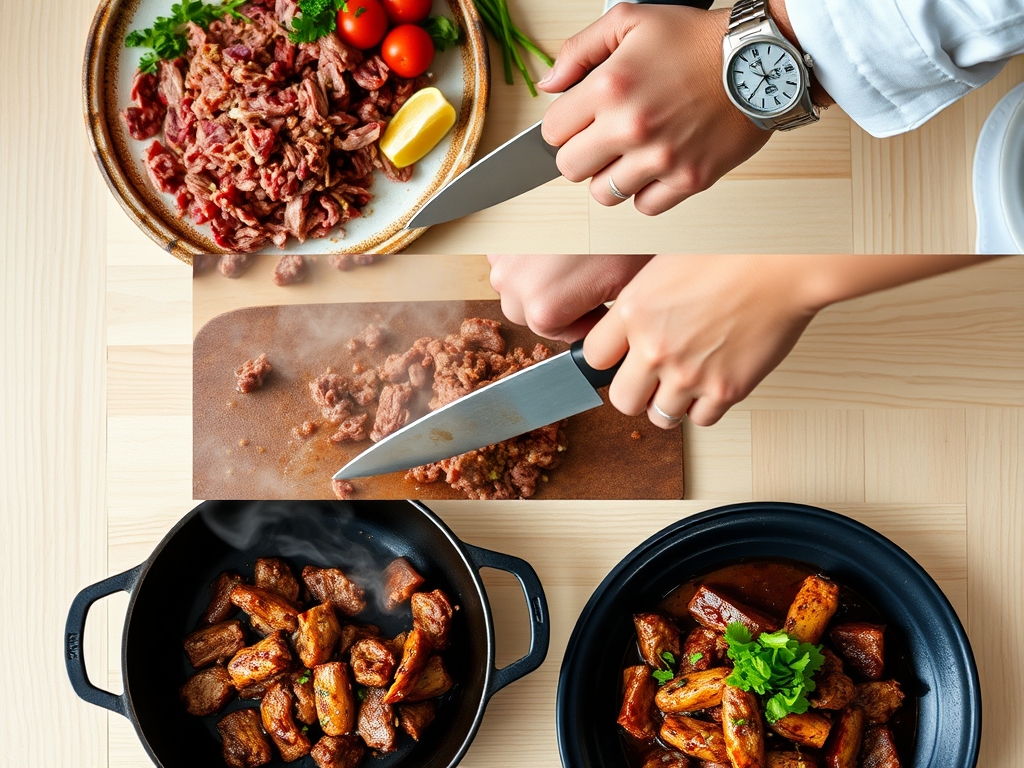
1. The High-Heat Sear
Drain the beef using a fine-mesh strainer but reserve two tablespoons of the liquid. Heat a cast-iron skillet until it reaches approximately 400 degrees Fahrenheit. Add the beef in a single layer and do not stir for three minutes. This allows the surface moisture to flash off, triggering the Maillard reaction.
Pro Tip: This is called "thermal shock." By keeping the meat stationary, you allow the proteins to bond and form a crust, preventing the meat from steaming in its own juices.
2. Deglazing for Depth
Once the beef has developed a dark brown crust, add your diced onions. As the onions release their moisture, use a stainless steel bench scraper to lift the "fond" (the brown bits) from the bottom of the pan. Pour in a splash of dry red wine or beef stock to deglaze.
Pro Tip: Deglazing is a chemical extraction. The alcohol or water dissolves the flavor-packed molecules stuck to the pan, creating a concentrated, savory sauce base.
3. Emulsifying the Sauce
Lower the heat and add a fat source, such as cold butter or heavy cream. Use a saucier or a whisk to vigorously stir the liquid. This creates a stable emulsion where the fats and water-based liquids bind together into a glossy, velvety coating for the beef.
Pro Tip: Emulsification requires a mechanical force to break fat globules into tiny droplets. This prevents your sauce from looking oily or "broken."
4. Aerating the Aromatics
Add your dry spices (cumin, smoked paprika, or chili powder) during the last two minutes of cooking. Stir them into the fat rather than the liquid. This process, known as "blooming," releases the fat-soluble volatile oils within the spices, amplifying their scent and flavor.
Pro Tip: Many spices contain compounds that are only soluble in lipids. Blooming ensures these flavors are evenly distributed throughout the entire dish.
The Deep Dive
Nutritionally, canned ground beef is a powerhouse of bioavailable protein and iron. A standard serving provides roughly 20 grams of protein. However, be mindful of the sodium content. To balance the macros, serve your beef over a bed of fibrous greens or cauliflower rice. For a Keto-friendly version, fold in high-fat ingredients like avocado or a sharp cheddar. If you are cooking for a vegan guest, swap the beef for canned lentils using the exact same searing technique to achieve a similar savory profile.
The "Fix-It" guide for common pitfalls:
- The Mush Factor: If the beef feels too soft, spread it on a sheet pan and broil it for four minutes. This dehydrates the exterior and creates a "bite."
- The Salt Bomb: If the canned beef is too salty, add a peeled potato to the skillet while simmering. The starch will absorb excess salt.
- The Metallic Aftertaste: A teaspoon of sugar or a squeeze of lemon juice will neutralize the "tinny" flavor often associated with canned goods.
For meal prep, reheating is a science. Avoid the microwave, which can make the fat turn "waxy." Instead, use a small skillet with a tablespoon of water. Cover with a lid to create steam, which rehydrates the protein fibers without overcooking the exterior.
The Wrap-Up
Mastering canned ground beef recipes is about more than just convenience; it is about culinary agility. You have learned to manipulate heat, manage emulsions, and balance flavors like a professional stylist. Whether you are whipping up a lightning-fast Bolognese or a smoky batch of chili, remember that the "can" is just the beginning. Use your tools, trust your senses, and never underestimate the power of a well-seared crust. Now, go turn that pantry staple into a dinner-time legend!
The Kitchen Table
Can I use the liquid inside the can?
Yes, the liquid is a concentrated beef stock. Use it to deglaze your pan or as a base for gravy. It contains gelatin which adds a rich, silky mouthfeel to your sauces.
How do I remove the canned smell?
Rinse the beef in a colander under cold water before cooking. Then, sear it with highly aromatic ingredients like fresh ginger, garlic, or onions to replace the "canned" scent with fresh, toasted notes.
Is canned beef already fully cooked?
Absolutely. Canned beef undergoes a retort canning process which uses high heat and pressure to sterilize the food. This means you only need to heat it to your desired serving temperature and texture.
How long does canned beef last once opened?
Once the seal is broken, transfer the beef to an airtight glass container. It will remain fresh in the refrigerator for three to four days. Always check for off-odors before reheating.