
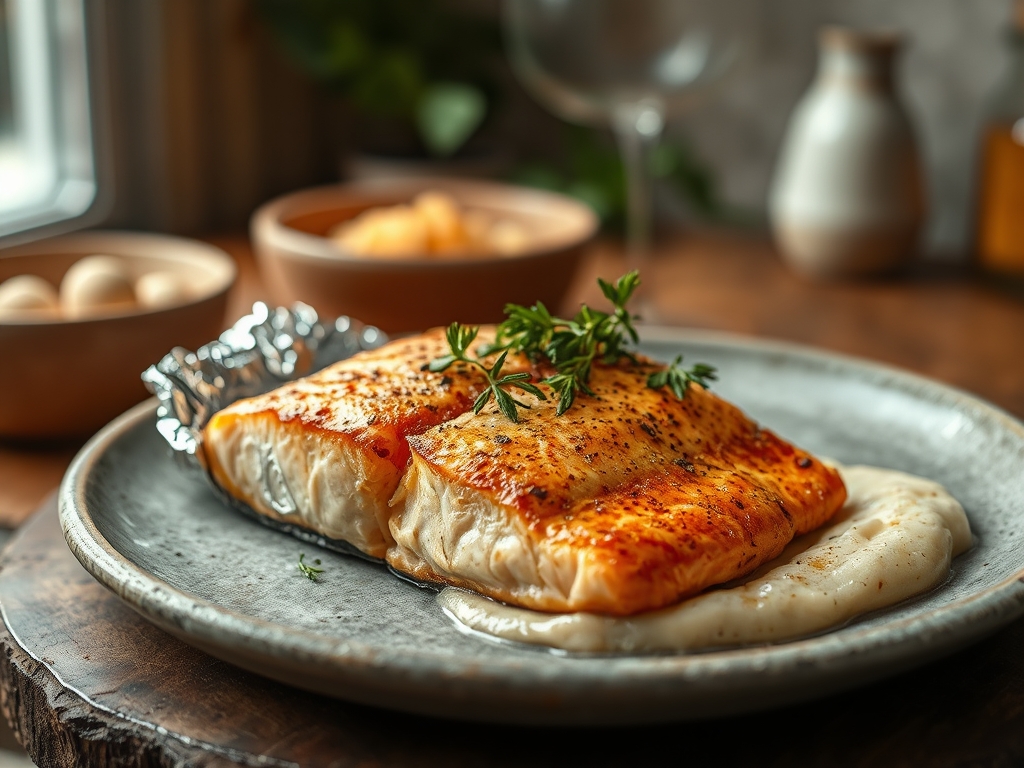
Imagine a kitchen where the air is thick with the scent of charred citrus and blooming garlic; there is no mountain of dishes waiting in the sink. This is the magic of tin foil salmon recipes. We are chasing that elusive, butter-soft texture that shatters under a fork while maintaining a vibrant, pink interior. Most home cooks fear the dry, chalky fate of overcooked fish, but we are going to use basic thermodynamics to build a pressurized steam chamber. This method ensures that every ounce of albumin remains tucked inside the muscle fibers rather than leaking out as unsightly white streaks. By the time you pull that shimmering packet from the oven, you will have mastered the art of the effortless weeknight luxury. We are moving beyond basic baking into the realm of precision moisture control. It is time to treat your kitchen like a laboratory and your dinner like a masterpiece.
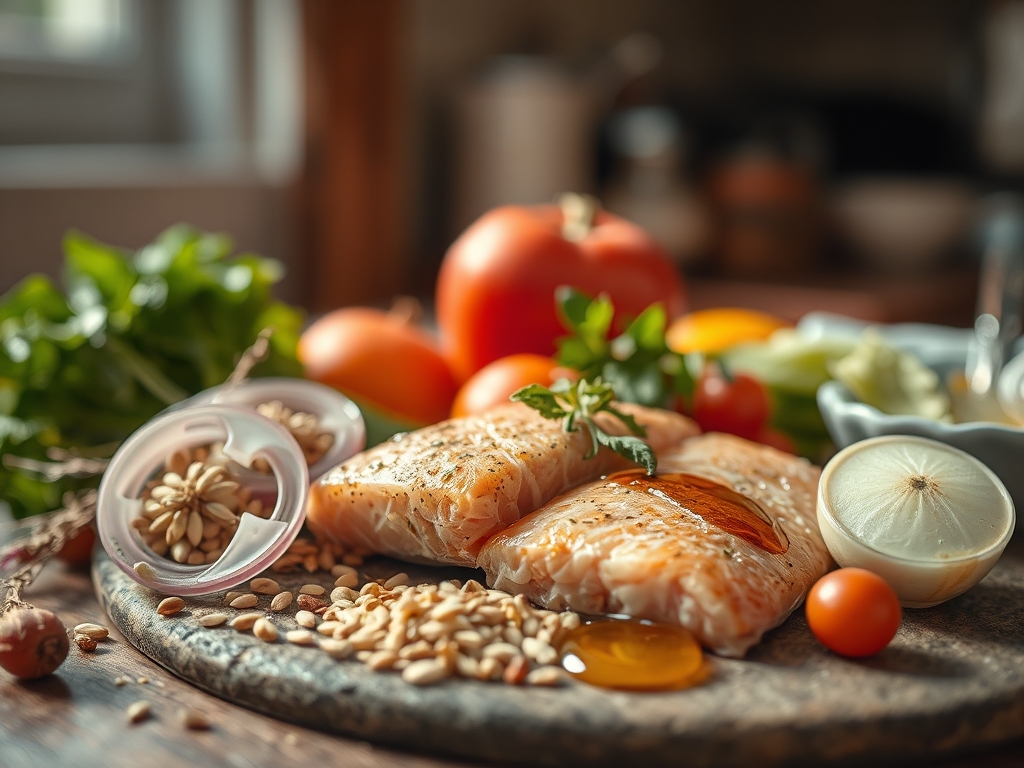
The Gathers:
To begin, we must assemble our mise-en-place with the scrutiny of a chemist. You will need high-quality Atlantic or King salmon fillets; look for deep pigmentation and firm flesh that bounces back when pressed. Your aromatics are the soul of this dish. Fetch your microplane to zest two lemons; we want the volatile oils found in the yellow flavedo, not the bitter white pith. You will also need unsalted butter or a viscous extra virgin olive oil to act as a heat conductor.
For the seasoning, gather flaky sea salt, freshly cracked black pepper, and a handful of piquant capers to provide an acidic counterpoint to the rich fats. If you want to elevate the profile, include sprigs of woody herbs like thyme or rosemary. Smart Substitutions: If you are avoiding dairy, a high-quality ghee provides a high smoke point and nutty aroma without the lactose. For a soy-free umami boost, swap salt for coconut aminos. Use a digital scale to ensure your fillets are of uniform weight, roughly six ounces each, to guarantee they finish cooking at the exact same moment.
The Clock
Efficiency is the hallmark of a professional. Your total active prep time is a mere ten minutes. The "Chef's Flow" begins by preheating your oven to 400 degrees Fahrenheit. While the heating elements reach their target, you will spend five minutes prepping the foil and seasoning the fish. The actual cook time ranges from twelve to fifteen minutes depending on the thickness of the cut. However, the most critical phase is the five-minute rest period. This allows the internal temperature to stabilize, ensuring the juices stay locked within the protein structure rather than flooding your plate.
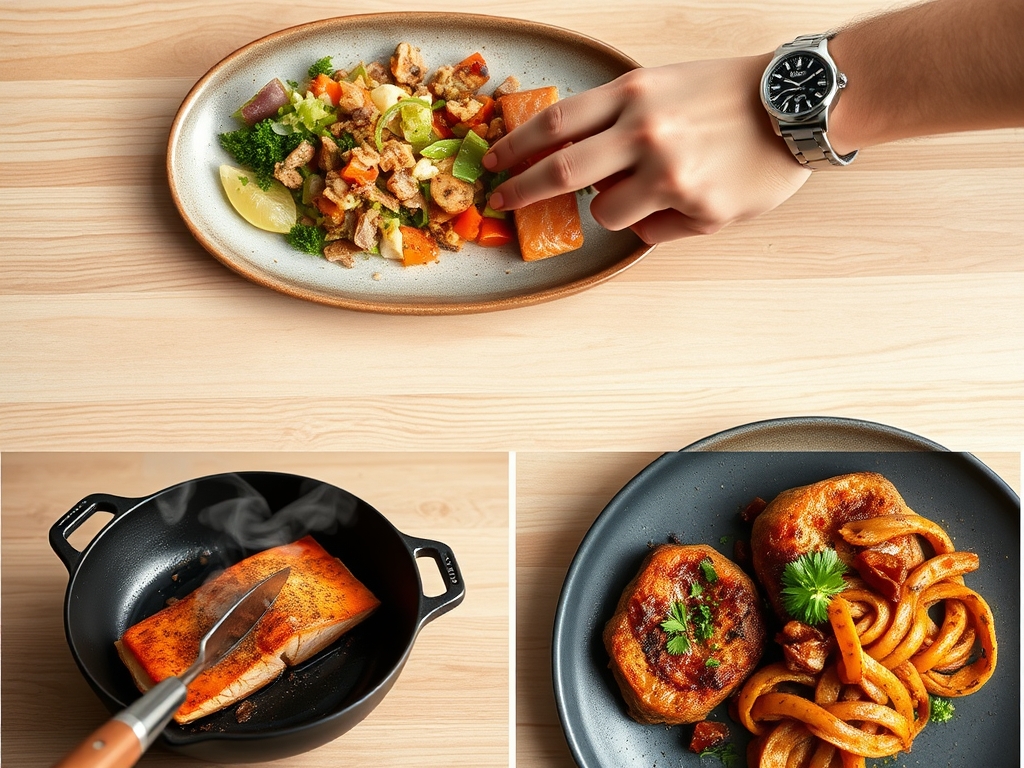
The Masterclass
1. The Foundation Fold
Lay out a large sheet of heavy-duty aluminum foil. Place your salmon in the center, skin-side down. This layer of skin acts as a thermal buffer, protecting the delicate flesh from direct heat. Use a bench scraper to move any chopped aromatics onto the fish.
Pro Tip: This creates a thermal barrier. By placing the skin against the foil, you allow the fat to render slowly, which bastes the meat from the bottom up while the top steams.
2. The Emulsion Application
Drizzle your fat of choice over the fillet. Use a saucier if you are melting butter with herbs beforehand to infuse the flavors. Spread a thin layer of Dijon mustard or honey over the top to create a tacky surface for the seasonings to adhere to.
Pro Tip: This is about surface tension. A viscous coating prevents the seasoning from sliding off into the foil, ensuring every bite is uniformly flavored.
3. The Aromatic Blanket
Layer thin slices of lemon and sprigs of herbs directly onto the salmon. The citrus provides a bright, acidic lift that cuts through the fatty lipids of the fish.
Pro Tip: As the lemon heats, it releases citric acid which helps to denature the surface proteins slightly, creating a more tender "poached" mouthfeel within the steam environment.
4. The Hermetic Seal
Bring the edges of the foil together and fold them tightly. You want to leave a small pocket of air above the fish to allow for steam circulation, but the edges must be crimped shut to prevent moisture loss.
Pro Tip: You are creating a micro-pressure chamber. This trapped steam increases the humidity, which prevents the evaporation of the fish's natural juices.
5. The High-Heat Roast
Place the packets on a baking sheet and slide them into the center rack of the oven. The ambient heat will penetrate the foil and begin the cooking process.
Pro Tip: We use 400 degrees to trigger a rapid rise in internal temperature. This minimizes the time the fish spends in the "danger zone" where texture can become mushy.
6. The Temperature Check
Use a digital probe thermometer to check the thickest part of the fillet. You are looking for 130 to 135 degrees Fahrenheit for a perfect medium.
Pro Tip: Remember thermal carryover. The internal temperature will continue to rise by 5 degrees after you remove the fish from the oven. Pulling it early prevents overcooking.
7. The Finishing Touch
Carefully open the foil, being mindful of the escaping steam. Use tongs to transfer the salmon to a plate. If you want a bit of color, you can pop the open packets under the broiler for sixty seconds.
Pro Tip: This brief exposure to intense top-down heat can trigger the Maillard reaction, creating a slight crust on the herbs and lemon slices without drying out the core.
8. The Resting Period
Let the salmon sit for three to five minutes before serving. This is the most skipped step, but it is the secret to professional-grade juiciness.
Pro Tip: During the rest, the muscle fibers relax and reabsorb the moisture that was pushed to the surface during the cooking process.
The Deep Dive
From a macro perspective, tin foil salmon recipes are a nutritional powerhouse. A standard six-ounce serving provides roughly 34 grams of high-quality protein and 22 grams of healthy fats, primarily Omega-3 fatty acids. It is naturally low in carbohydrates, making it a staple for Keto or Paleo lifestyles. For a vegan twist, use the same foil-steaming technique with thick slabs of cauliflower or king oyster mushrooms brushed with liquid smoke and seaweed flakes.
The Fix-It: If your salmon comes out dry, you likely missed the carryover cooking window; reduce your oven time by two minutes next time. If the fish smells "fishy," it is likely an oxidation issue; a quick soak in milk for ten minutes before cooking can neutralize the trimethylamine oxide. If the skin sticks to the foil, ensure you grease the foil surface with a high-smoke-point oil before placement.
Meal Prep Science: To reheat salmon without it becoming rubbery, avoid the microwave. Instead, keep it in its original foil and warm it in a 275-degree oven. This gentle heat prevents the proteins from tightening up and squeezing out the remaining moisture.
The Wrap-Up
Mastering tin foil salmon recipes is about more than just a quick meal; it is about understanding how to manipulate heat and moisture to your advantage. Once you understand the physics of the steam packet, you can experiment with global flavors like ginger and soy or spicy chipotle lime. You now have the tools, the science, and the confidence to turn a simple piece of fish into a culinary event. Go forth, fold your foil with precision, and enjoy the most succulent dinner of your week.
The Kitchen Table
How do I know if the salmon is done without a thermometer?
The flesh should be opaque and flake easily when pressed with a fork. If it resists or looks translucent in the center, it needs two more minutes. Always aim for a slight "give" in the middle for maximum juiciness.
Can I cook frozen salmon in foil?
Yes, but you must increase the cook time by about ten minutes. Ensure you rinse off any ice crystals first to prevent the packet from becoming waterlogged. For the best texture, thawing overnight in the refrigerator is always preferred.
What is the best type of foil to use?
Heavy-duty aluminum foil is superior because it resists tearing and creates a tighter seal. A tight seal is essential for maintaining the high-pressure steam environment that keeps the fish moist during the roasting process.
Why does my salmon have white stuff on it?
That white substance is albumin, a protein that leaches out when the fish is cooked too fast or too long. While safe to eat, you can minimize it by brining the fish in salt water for ten minutes before cooking.
Can I add vegetables to the same foil packet?
Absolutely. Choose quick-cooking vegetables like asparagus, thin-sliced zucchini, or snap peas. These will steam in the same timeframe as the salmon, absorbing the flavorful fats and juices as they cook for a complete one-pan meal.