
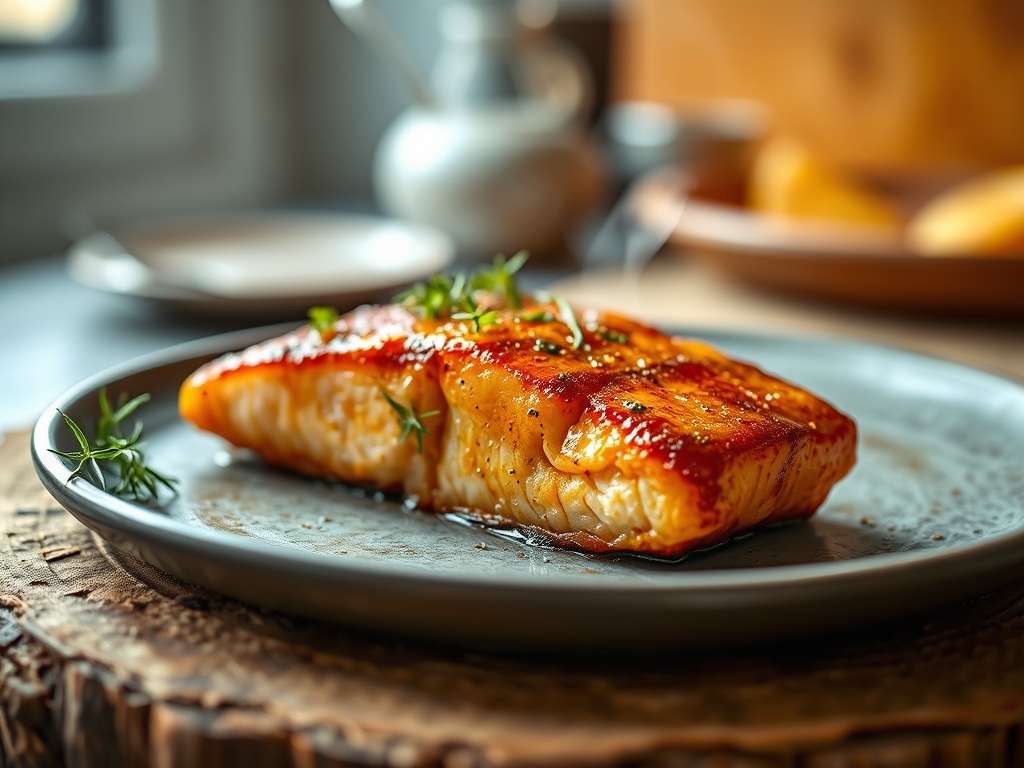
Picture the scene: your kitchen is filled with the intoxicating scent of bubbling amber syrup and the sharp, woodsy aroma of toasted rosemary. There is something deeply satisfying about the way a glaze clings to a fillet, transforming a humble piece of fish into a restaurant-quality centerpiece. When you are hunting for the ultimate maple salmon recipes oven techniques, you are really looking for that perfect intersection of chemistry and comfort. We are aiming for a crust that shatters slightly under the fork, giving way to a center so buttery it practically dissolves on the tongue. This is not just dinner; it is a masterclass in balancing the piquant zip of stone-ground mustard with the viscous depth of Grade A maple syrup. I have spent years refining this process to ensure the sugars caramelize without scorching, and the proteins remain succulent rather than chalky. By the time we are done, you will understand exactly how heat interacts with these specific sugars to create a flavor profile that is both sophisticated and nostalgic.
The Gathers:
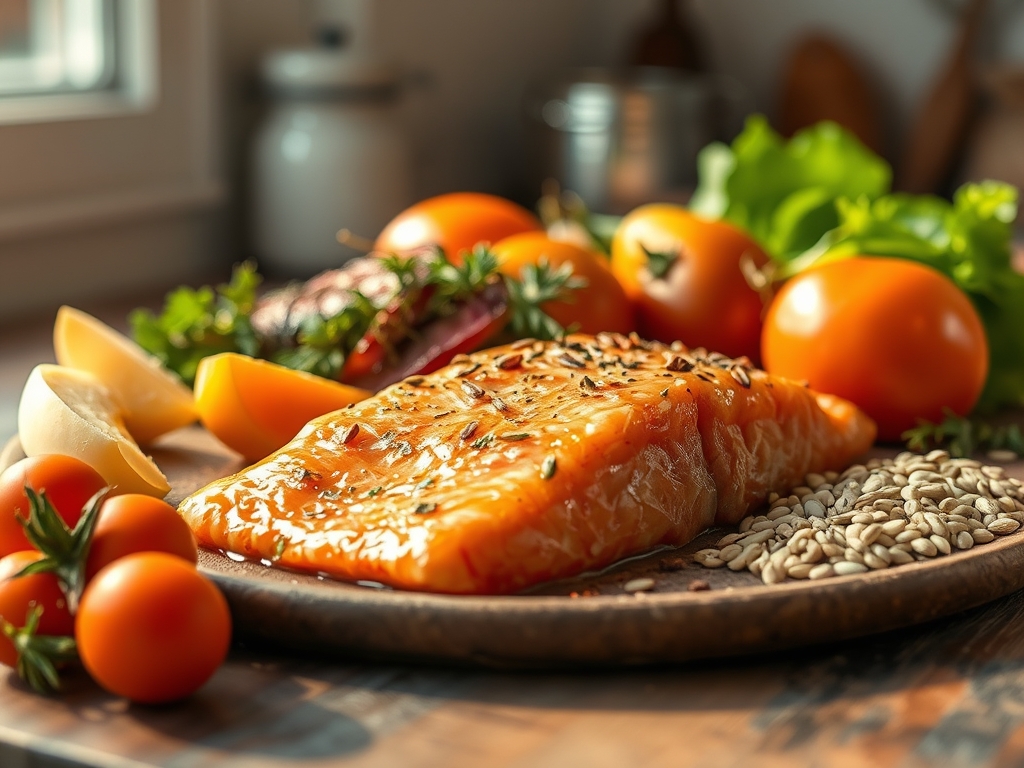
To achieve a professional result, your mise-en-place must be precise. Start with a high-quality center-cut Atlantic or King salmon fillet; look for vibrant color and firm muscle fibers that bounce back when pressed. You will need a digital scale to measure out 100 grams of pure maple syrup. Avoid the "pancake syrup" imposters; we require the specific glucose and fructose profile of the real deal to achieve proper Maillard reaction browning.
Your secondary players include 30 grams of Dijon mustard for acidity, a splash of tamari for umami, and two cloves of garlic processed through a microplane to create a fine paste. The microplane is essential here because it breaks the cell walls of the garlic, releasing all the pungent sulfurous compounds that will infuse the glaze. For the fat component, use melted unsalted butter or a high-smoke-point avocado oil.
Smart Substitutions: If you are dodging refined sugars, a high-quality monk fruit maple replacement works, though the caramelization will be less intense. For a soy-free version, coconut aminos provide that same salty-sweet depth. If you lack fresh garlic, a pinch of toasted garlic powder can work, but you will miss the aromatic top notes of the fresh bulb.
The Clock:
Efficiency in the kitchen is all about the Chef's Flow. This entire process takes exactly 25 minutes from the moment you pull the cutting board out to the final garnish.
- Prep (10 Minutes): This includes whisking your glaze in a small saucier and patting the fish bone-dry. Do not skip the drying step; moisture is the enemy of a crisp exterior.
- Active Cooking (12-15 Minutes): This depends on the thickness of your fillets. We are aiming for an internal temperature of 125 degrees Fahrenheit for a medium-rare finish that carries over to a perfect medium.
- Resting (3 Minutes): This is the most ignored yet vital step. It allows the muscle fibers to relax and reabsorb the internal juices.
The Masterclass:
1. The Desiccation Ritual
Place your salmon on a clean work surface and use a heavy-duty paper towel to press firmly against the skin and flesh.
Pro Tip: This process, known as surface desiccation, prevents the formation of steam. If the surface is wet, the oven's energy is wasted evaporating water rather than browning the sugars in the glaze.
2. Emulsifying the Glaze
In your saucier, whisk the maple syrup, mustard, and garlic vigorously.
Pro Tip: You are creating a temporary emulsion. The mustard acts as a stabilizer, helping the water-based syrup and any added fats play nice together so the glaze coats the fish evenly instead of sliding off into the pan.
3. The Sear-Start (Optional but Recommended)
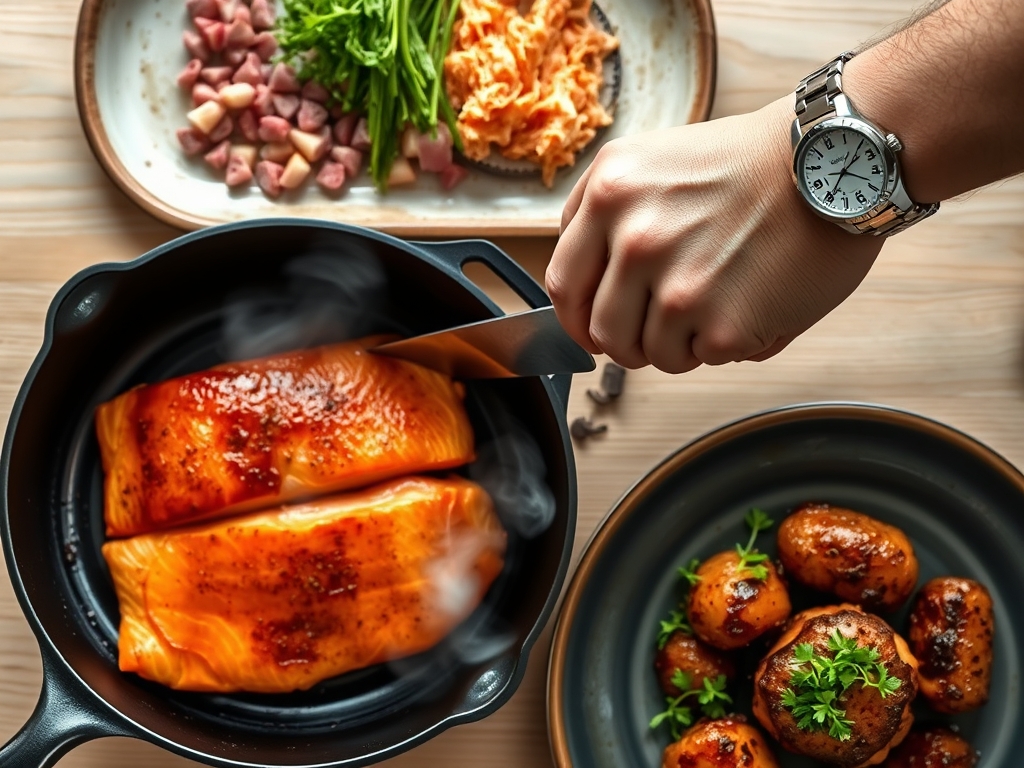
Heat a heavy-bottomed skillet with a teaspoon of oil until it shimmers. Place the salmon skin-side down for 90 seconds before moving to the oven.
Pro Tip: This initiates the rendering of the subcutaneous fat layer, ensuring the skin is cracker-crisp rather than rubbery.
4. The First Coat
Use a silicone pastry brush to apply a generous layer of the maple mixture over the top and sides of the fillets.
Pro Tip: This first layer begins the enzymatic browning process. As the heat rises, the amino acids in the fish react with the sugars in the maple to create complex new flavor molecules.
5. High-Heat Roasting
Slide your pan into a preheated 400-degree Fahrenheit oven. Position the rack in the upper third of the chamber.
Pro Tip: Convection heat is more efficient at the top of the oven. This encourages the glaze to become viscous and tacky quickly, trapping moisture inside the fillet.
6. The Mid-Point Baste
Halfway through the cooking time, pull the rack out and apply a second layer of glaze.
Pro Tip: This technique, called "layering," builds a thicker crust. The second coat fills in any gaps where the first layer may have thinned out as the proteins contracted.
7. The Broil Flash
For the final 60 seconds, switch your oven to the broil setting. Watch it like a hawk.
Pro Tip: This creates a rapid caramelization of the top layer. The sugars will bubble and darken into a deep mahogany, providing a bitter-sweet contrast to the rich fish.
8. The Temperature Check
Use an instant-read thermometer to probe the thickest part of the fillet. Aim for 125 to 130 degrees Fahrenheit.
Pro Tip: This accounts for thermal carryover. The internal temperature will continue to rise about 5 degrees after you remove it from the heat source.
9. The Rest and Garnish
Transfer the fillets to a warm plate using wide tongs or a fish spatula. Let them sit for three minutes before adding flaky sea salt and fresh chives.
Pro Tip: Resting allows the internal pressure to equalize. If you cut in too soon, the juices will flood the plate, leaving the salmon dry and fibrous.
The Deep Dive:
When we look at the macro profile, this dish is a powerhouse. A standard 6-ounce portion delivers roughly 34 grams of high-quality protein and is rich in Omega-3 fatty acids, which are essential for brain health. The maple syrup adds about 12 grams of carbohydrates, making it a balanced option when paired with fibrous greens.
For my Keto friends, swap the maple syrup for a sugar-free maple alternative or a mix of brown erythritol and a drop of maple extract. Vegan diners can apply this exact glaze to thick slabs of cauliflower or firm tofu with incredible results. If you are Gluten-Free, simply ensure your tamari or soy sauce is certified GF.
The Fix-It:
- The Glaze is Too Runny: You likely didn't reduce the glaze enough or the fish was too wet. Next time, simmer the glaze in a saucier for two minutes before brushing.
- The White Stuff (Albumin) is Leaking: This happens when salmon is cooked too fast or too high. It is just coagulated protein. To fix, brine the fish in salt water for 10 minutes before cooking to minimize the effect.
- The Bottom is Soggy: Use a wire rack set over your baking sheet. This allows hot air to circulate under the fish, preventing it from sitting in its own juices.
Meal Prep Magic: To reheat without turning your salmon into a hockey puck, avoid the microwave. Place it in a cold oven, set the temp to 275 degrees Fahrenheit, and remove it as soon as the oven reaches temperature. This gentle "awakening" preserves the delicate fat structures.
The Wrap-Up:
Mastering maple salmon recipes oven style is a rite of passage for any home cook looking to elevate their weeknight rotation. It is all about the science of the sear and the chemistry of the crust. By controlling your moisture and understanding the way sugars behave under intense heat, you turn a simple fillet into a culinary event. Grab your microplane, find the best maple syrup you can afford, and get to work. Your kitchen is about to become the best restaurant in town!
The Kitchen Table:
Can I use frozen salmon for this recipe?
Yes; however, you must thaw it completely in the refrigerator and pat it extremely dry. Frozen fish often releases more moisture, so a quick brine in salt water can help firm up the muscle fibers before glazing.
What is the best way to prevent the skin from sticking?
Ensure your pan is preheated and well-oiled. If you are using a baking sheet, parchment paper is your best friend. For the ultimate result, a well-seasoned cast iron skillet provides a natural non-stick surface and superior heat retention.
How do I know the salmon is done without a thermometer?
The flesh should change from translucent to opaque. Use a fork to gently press on the top of the fillet; if the flakes begin to separate along the white fat lines (the lamellae), the fish is perfectly cooked.
Why does my maple glaze taste bitter?
This usually happens if the garlic or the sugars in the syrup scorched during the broiling phase. Keep a close eye on the oven during the last minute of cooking; you want a deep amber, not black.