
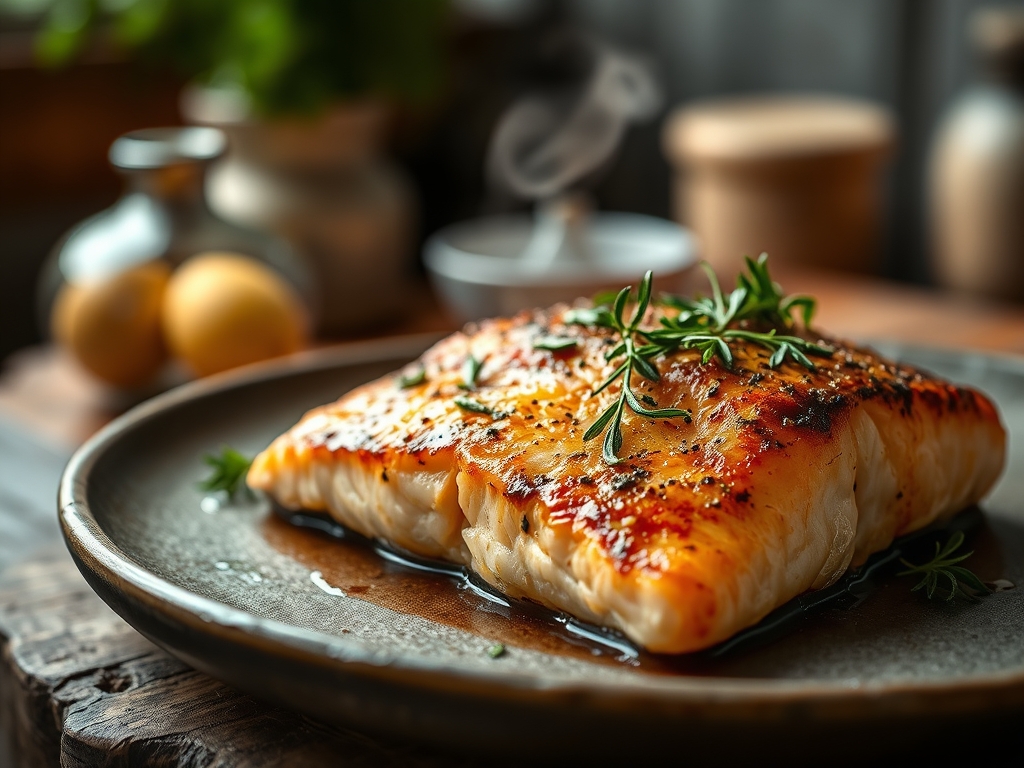
Imagine the scent of caramelized honey and sharp citrus wafting through your kitchen as a tray of vibrant pink fillets emerges from the oven. Finding the perfect food network salmon recipes baked in your own home is about more than just following a list; it is about mastering the delicate chemistry of heat and protein. When you nail that translucent, buttery center, you are not just cooking dinner; you are performing a culinary feat that balances lipid content with precise thermal application.
The Gathers:
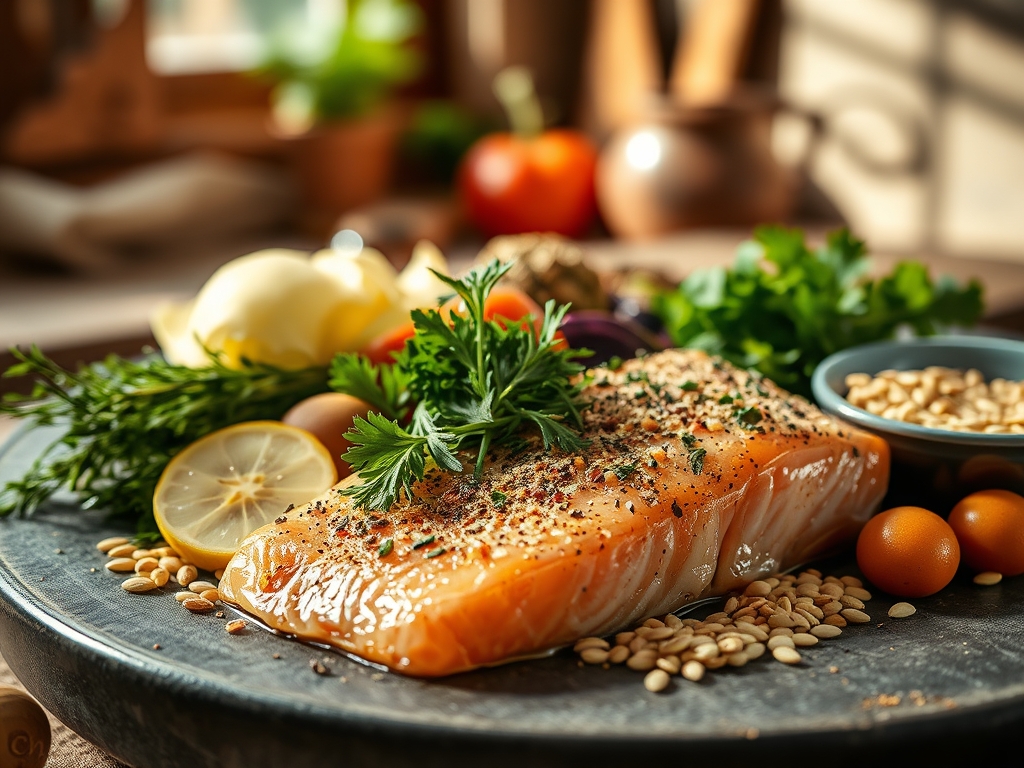
To replicate the high caliber of food network salmon recipes baked by the pros, your mise-en-place must be intentional. We are looking for wild-caught King or Sockeye salmon, which offer a higher density of omega-3 fatty acids compared to farmed varieties. You will need high-smoke-point fats like avocado oil or clarified butter to ensure the skin crisps without the oil breaking down into acrid compounds.
Gather your microplane for zesting lemons; this tool ensures you only capture the oil-rich flavedo without the bitter white pith. You will also need kosher salt for its jagged crystal structure, which adheres better to the flesh than fine table salt. For the aromatics, reach for fresh dill and flat-leaf parsley to provide a piquant contrast to the rich fish.
Smart Substitutions: If you are out of honey for a glaze, maple syrup provides a similar sugar profile for Maillard reaction browning. If you lack a saucier for whisking emulsions, a heavy-bottomed small pot will suffice to keep your butter sauces from breaking.
The Clock:
The "Chef's Flow" is the secret to a stress-free kitchen. Total preparation for most food network salmon recipes baked takes approximately 10 minutes, with a bake time ranging from 12 to 15 minutes. However, the clock starts with the "Tempering Phase." You must pull your fish from the refrigerator 20 minutes before it hits the heat. If the internal muscle fibers are too cold, the exterior will overcook and become fibrous before the center reaches the safe, viscous texture of 125 degrees Fahrenheit. Total time from counter to table is roughly 30 minutes, making this the ultimate weeknight power move.
The Masterclass:
1. The Surface Prep
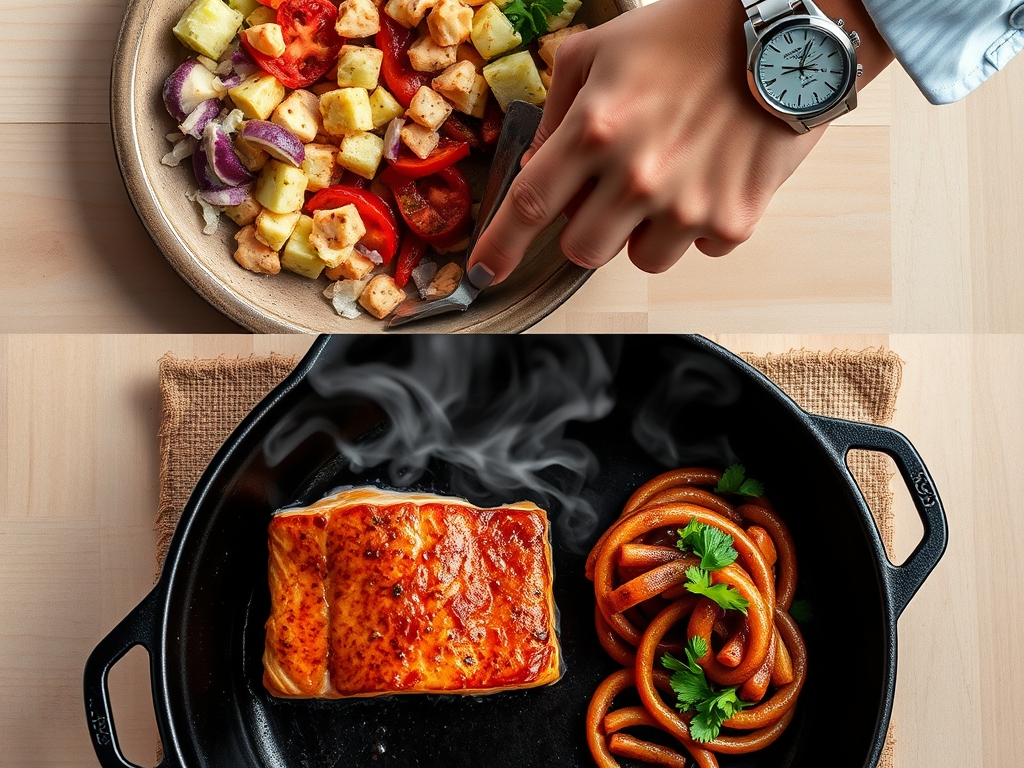
Dry the skin and flesh thoroughly with paper towels. Any residual moisture will create steam, preventing the skin from becoming crisp. Use a bench scraper to move the fillets onto a parchment-lined baking sheet without tearing the delicate flesh.
Pro Tip: This step prevents the "Steaming Effect." By removing surface water, you allow the heat to immediately begin the Maillard reaction, creating deep flavor rather than just boiling the exterior.
2. The Seasoning Layer
Apply your dry rub or salt from a height of at least twelve inches. This ensures even distribution and prevents "salt pockets" that can cure the fish unevenly.
Pro Tip: Salt acts as a denaturant. If you salt too early (more than 15 minutes before baking), the salt will draw out moisture and tighten the protein structure, resulting in a tougher bite. Season just before the tray enters the oven.
3. The Fat Application
Brush the fillets with a thin layer of oil or melted butter. This acts as a heat conductor, ensuring that the dry air of the oven transfers energy efficiently into the fish.
Pro Tip: Lipids help infuse fat-soluble vitamins and flavors from your herbs into the meat. Without a fat medium, your dried herbs will simply scorch and taste dusty.
4. The Thermal Blast
Slide the tray into a preheated 400 degree Fahrenheit oven. Use a digital scale to ensure your fillets are of similar weight; this ensures they all finish at the same time.
Pro Tip: High heat causes the protein albumin (the white stuff that sometimes leaks out) to coagulate. To minimize this, cook at a slightly lower temperature or ensure the fish is not shocked by extreme temperature swings.
5. The Glaze Finish
If your recipe calls for a sugary glaze, apply it only during the last 3 to 5 minutes of cooking. Use a silicone brush to coat the top generously.
Pro Tip: Sugars burn quickly. By waiting until the end, you allow the sugars to become viscous and tacky without carbonizing into a bitter crust.
6. The Carryover Rest
Remove the salmon when the internal temperature hits 125 degrees Fahrenheit. Use tongs to gently check the flakiness of the side.
Pro Tip: This is "Thermal Carryover." The internal temperature will continue to rise about 5 degrees after the fish leaves the oven. Pulling it early prevents the dreaded dry, chalky texture.
7. The Acid Brightening
Finish the dish with a squeeze of fresh lemon juice or a splash of white wine vinegar.
Pro Tip: Acid cuts through the heavy fat profile of salmon. It provides a chemical balance that "wakes up" the taste buds, making the rich fats feel lighter on the palate.
The Deep Dive:
From a macro perspective, a 6-ounce serving of baked salmon provides roughly 34 grams of protein and 18 grams of healthy fats. It is a nutritional powerhouse. For those following a Keto lifestyle, this dish is a holy grail; just swap honey glazes for mustard and herb rubs. For a Vegan alternative, you can apply these same baking techniques to thick "steaks" of cauliflower or tofu, though the cooking times will vary.
The Fix-It:
- White Gunk (Albumin): This happens when the fish cooks too fast. Lower your oven temp by 25 degrees next time.
- Soggy Skin: You likely skipped the drying step or crowded the pan. Give the fillets space to breathe.
- Sticking to Pan: Ensure you use parchment paper or a well-seasoned cast iron surface.
Meal Prep: To reheat without losing quality, avoid the microwave. Place the salmon in a 275 degree Fahrenheit oven with a tablespoon of water and cover with foil. This creates a gentle steam bath that rehydrates the proteins without overcooking them.
The Wrap-Up:
Mastering food network salmon recipes baked at home transforms a simple protein into a restaurant-quality centerpiece. By focusing on the science of heat transfer and the importance of tempering your ingredients, you elevate your kitchen game from "cook" to "chef." Remember to watch for that perfect flake and always, always let your fish rest. Now, grab your microplane and get to work; your most delicious dinner is only thirty minutes away!
The Kitchen Table:
How do I know when the salmon is done?
The fish is done when the internal temperature reaches 125 to 130 degrees Fahrenheit. The flesh should be opaque and flake easily when pressed with a fork, but still look slightly translucent in the very center.
Why is there white stuff on my salmon?
That white substance is albumin, a protein that stays liquid when raw but solidifies when heated. It is perfectly safe to eat, but its appearance usually indicates the salmon was cooked too quickly or at too high a temperature.
Can I bake salmon from frozen?
It is possible, but not recommended for the best texture. Frozen salmon releases excess moisture as it thaws in the oven, which steams the fish instead of roasting it. For the best results, thaw in the refrigerator overnight.
Should I leave the skin on while baking?
Yes, always keep the skin on during the baking process. The skin acts as a protective barrier between the delicate flesh and the hot pan, helping to retain moisture and preventing the fish from overcooking or falling apart.