
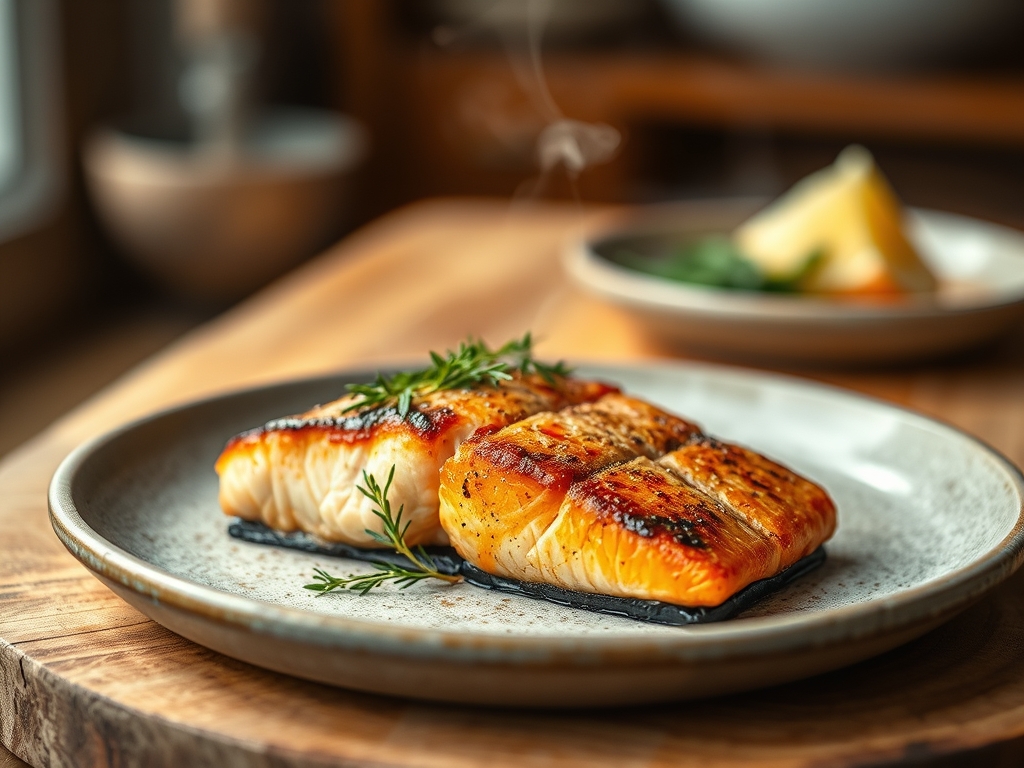
The scent of sizzling fat hitting a cast iron pan is the universal siren song for a dinner that actually excites you. We have all been there; staring at a pale pink fillet and wondering how to make it feel like an event rather than a chore. Finding new salmon recipes is about more than just switching from lemon to lime. It is about mastering the molecular transformation of proteins into something buttery, crisp, and utterly addictive. Whether you are looking for a thirty minute weeknight win or a slow roasted masterpiece, the secret lies in the physics of the sear and the chemistry of the glaze. We are moving beyond the basic baked fillet and diving into textures that shatter under a fork and sauces that cling with perfect viscosity. Let us elevate your routine from standard meal prep to a high end culinary experience that respects the delicate nature of the fish while pushing the boundaries of global flavor profiles.
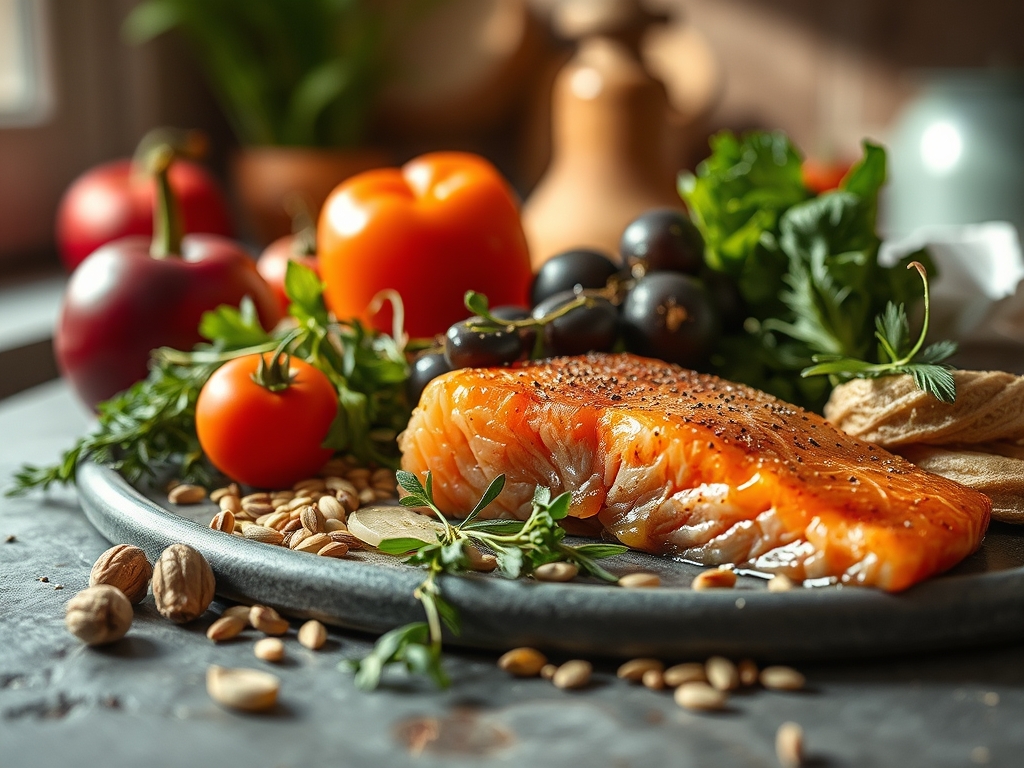
The Gathers:
Your mise-en-place is the foundation of culinary success. Start with center cut fillets; these offer the most uniform thickness, which ensures even thermal distribution. You will need a high smoke point oil like avocado or grapeseed oil to facilitate the Maillard reaction without acrid scorching. For the aromatics, gather fresh ginger, garlic cloves, and scallions. Use a microplane to grate your aromatics into a fine paste; this increases surface area and allows the volatile oils to infuse your cooking medium more effectively.
Smart Substitutions:
If you are out of honey for your glazes, maple syrup provides a similar sugar density with a more complex, woody profile. For those avoiding soy, coconut aminos offer a piquant, lower sodium alternative that still provides that essential umami kick. If fresh herbs are unavailable, use a high quality freeze dried version, but remember to bloom them in warm oil first to reactivate their flavor compounds. Always keep a digital scale nearby to ensure your portions are consistent, as even a ten gram difference can alter your required cook time.
The Clock
Efficiency in the kitchen is governed by the "Chef's Flow." This is the practice of overlapping tasks to minimize downtime. For most new salmon recipes, you are looking at a ten minute prep window and a twelve to fifteen minute cook time. Start by bringing your fish to room temperature; this takes about twenty minutes and is non negotiable for a perfect sear. While the fish tempers, utilize your bench scraper to clear your workstation and prep your side dishes. If you are roasting, preheat your oven to 425 degrees Fahrenheit. A hot oven is essential for rapid moisture evaporation on the skin. By the time your pan is shimmering, your vegetables should be ready to steam or sauté, ensuring everything hits the plate at the peak of its thermal cycle.
The Masterclass
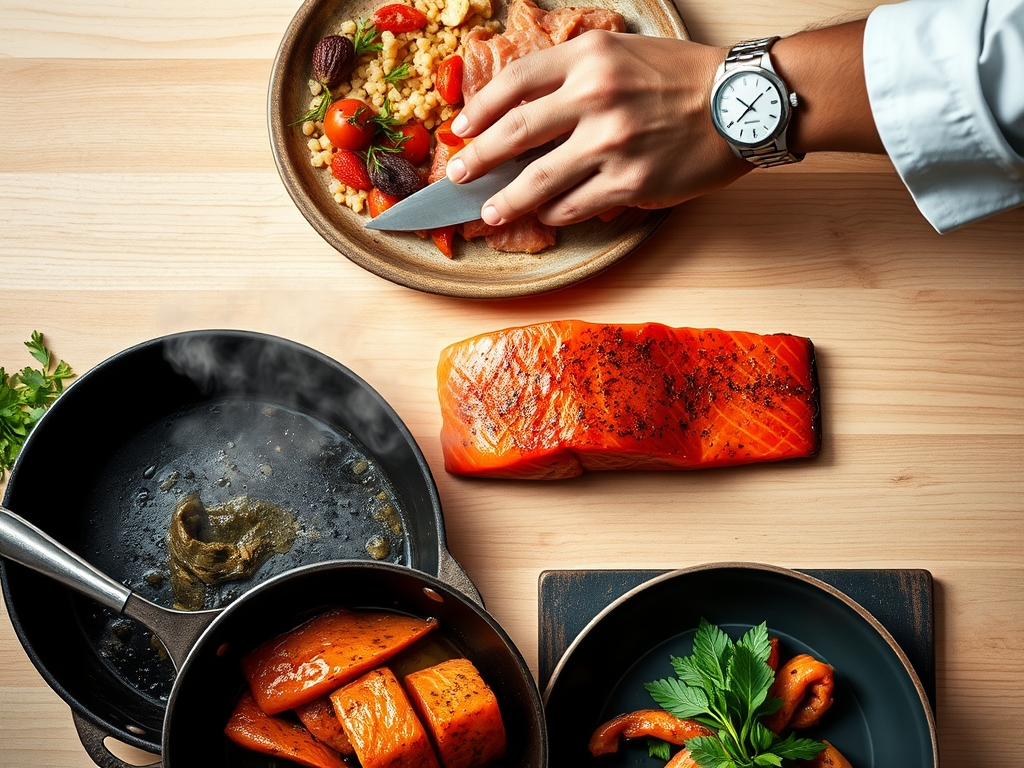
1. The Desiccation Phase
Pat the salmon skin bone-dry using heavy duty paper towels. Moisture is the enemy of crispness because it triggers steam rather than a sear. Use your tongs to press down firmly, ensuring no hidden droplets remain in the folds of the flesh.
Pro Tip: This process utilizes the principle of evaporative cooling. By removing surface water, the pan's energy goes directly into browning the skin rather than boiling off excess liquid.
2. The Thermal Shock
Heat a heavy-bottomed skillet until the oil ripples. Place the salmon skin-side down and press firmly with a flexible spatula for thirty seconds. This prevents the protein fibers from contracting and curling, which often leads to uneven cooking.
Pro Tip: This initial press maximizes surface contact, facilitating a uniform Maillard reaction. This chemical reaction between amino acids and reducing sugars creates the savory, "browned" flavor profile we crave.
3. The Gentle Render
Lower the heat to medium. Allow the fat beneath the skin to render slowly. You will see the opaque color creep up the side of the fillet. Do not touch it. Patience here ensures the skin becomes a rigid, cracker-like shard that protects the delicate flesh above.
Pro Tip: Slow rendering prevents the albumin (that white protein) from leaching out too quickly. Excessive albumin indicates the internal temperature rose too fast, causing the muscle fibers to contract and squeeze out moisture.
4. The Aromatic Baste
Add a knob of cold butter, crushed garlic, and thyme to the pan. Use a large spoon to infuse the bubbling butter over the top of the fish. This technique, known as arroser, cooks the top of the fish with gentle, indirect heat while adding a rich, nutty finish.
Pro Tip: Butter contains milk solids that undergo further browning. This adds a layer of complexity through the creation of lactones, which provide a creamy, toasted aroma.
5. The Carryover Rest
Remove the fish when the internal temperature hits 125 degrees Fahrenheit. Transfer it to a warm plate and let it rest for five minutes. The temperature will continue to rise to a perfect 130 or 135 degrees.
Pro Tip: Thermal carryover is a real physical phenomenon. Resting allows the agitated cell structures to relax and reabsorb juices, ensuring the moisture stays in the fish rather than on your plate.
The Deep Dive
Salmon is a nutritional powerhouse, dense with Omega-3 fatty acids (EPA and DHA) which are essential for cognitive function and cardiovascular health. A standard six ounce portion provides roughly 34 grams of high quality protein. For those following a Keto lifestyle, salmon is the ultimate "fatty fish" anchor. If you are plant based, you can mimic these new salmon recipes using "Zalmon" made from marinated carrots or konjac root, though the texture will be more akin to lox.
The Fix-It:
- The Skin is Soggy: You likely crowded the pan. This creates a micro-climate of steam. Fix: Give each fillet at least two inches of space.
- The Fish is Dry: You skipped the rest period or overshot the temperature. Fix: Use a digital thermometer and pull the fish 5 degrees early.
- The Glaze Burned: Sugary glazes should only be added in the last two minutes. Fix: Deglaze the pan with a splash of water or broth to loosen the burnt bits and create a quick pan sauce.
Meal Prep Science:
To reheat salmon without it becoming rubbery, avoid the microwave. Instead, use a "low and slow" approach in a toaster oven at 275 degrees with a teaspoon of water covered by foil. This creates a gentle steam chamber that rehydrates the proteins without denaturing them further.
The Wrap-Up
Mastering new salmon recipes is your ticket to a more vibrant, healthful kitchen routine. By understanding the interplay of heat, moisture, and fat, you transform a simple ingredient into a restaurant quality masterpiece. Don't be afraid to experiment with your saucier to create emulsions that brighten the plate. Remember, cooking is as much about the "why" as the "how." Now, grab your favorite skillet and turn that heat up; your best dinner yet is only a few minutes away.
The Kitchen Table
How do I get the skin extra crispy?
Ensure the skin is completely dry and use a heavy-bottomed pan. Press the fish down for the first thirty seconds of searing to maximize surface contact. This allows the subcutaneous fat to render fully into a golden, crunchy layer.
Can I cook salmon from frozen?
Yes, but for the best texture, use the "air fryer" method. Cooking from frozen prevents the Maillard reaction on the surface, so it is better to slow-roast or steam frozen fillets to maintain their internal moisture levels.
What is the white stuff on my salmon?
That is albumin, a harmless protein that escapes when the fish is cooked too quickly. To minimize it, brine your salmon in salt water for ten minutes before cooking or use lower, more consistent heat.
How long does cooked salmon last?
Stored in an airtight container, cooked salmon remains fresh for three days. For optimal quality, skin-on fillets should be eaten within twenty-four hours to maintain the textural contrast between the crispy exterior and the tender interior.