
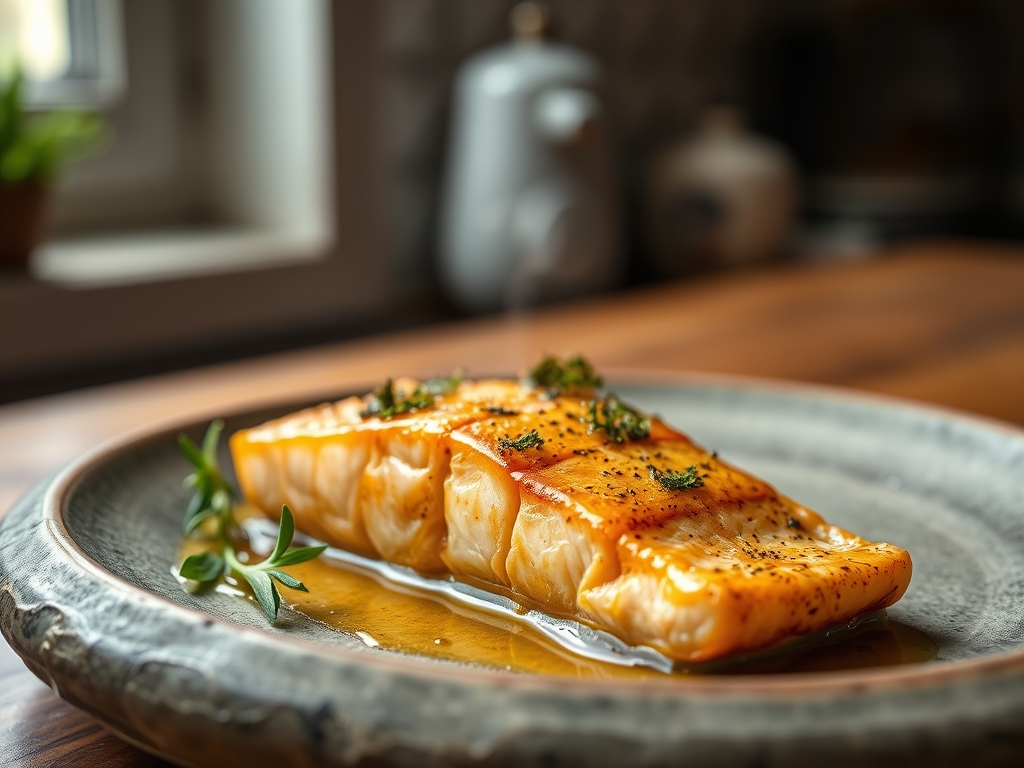
Picture this: the kitchen is filled with the scent of caramelized sugars and piquant stone-ground mustard. You pull a tray from the oven to find a fillet so vibrant it looks like a sunset. Finding the ultimate honey mustard salmon recipes baked to perfection is about more than just a list of ingredients; it is about mastering the molecular dance between sweetness and acidity. When that sticky, amber glaze meets the rich, omega-3 fats of the fish, something magical happens. The honey acts as a humectant, locking in moisture, while the mustard provides a sharp counterpoint that cuts through the buttery texture of the salmon. This is not just a weeknight dinner. It is a masterclass in balance, texture, and high-heat chemistry. We are going for that elusive, glass-like finish that shatters under the fork to reveal flakey, translucent layers. Grab your apron and your favorite heavy-bottomed sheet pan. We are about to turn a simple piece of protein into a restaurant-quality centerpiece using science as our secret weapon.
The Gathers:
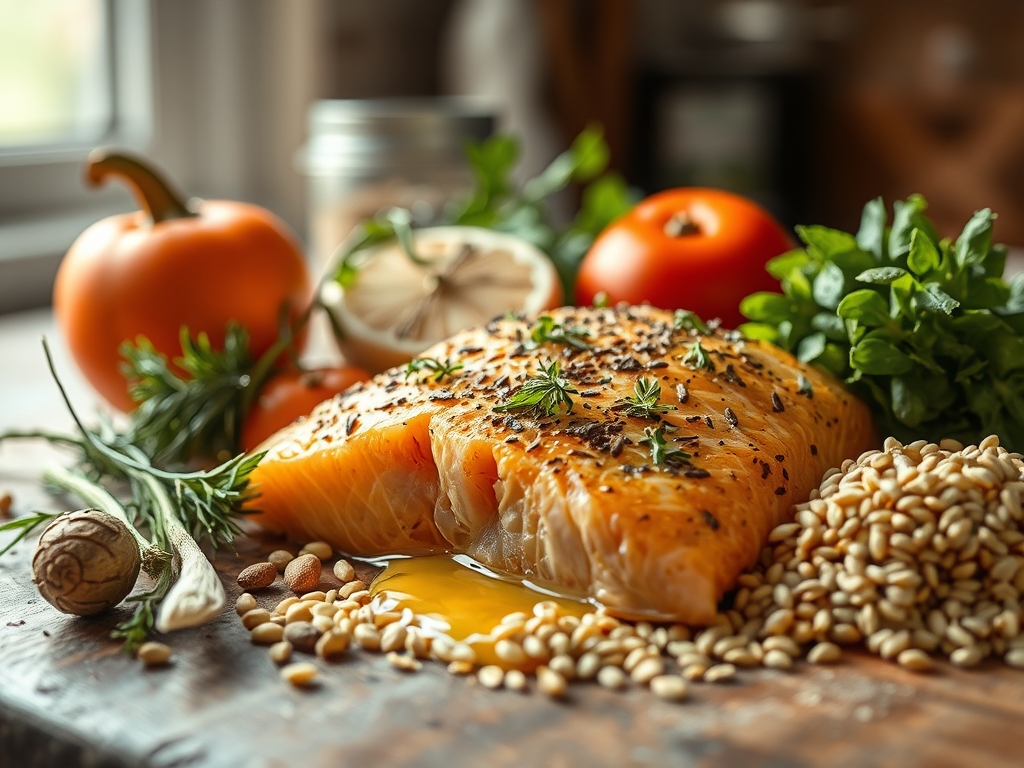
To achieve a professional-grade glaze, we must respect the viscosity of our components. Start with a high-quality center-cut Atlantic or King salmon fillet. You will need a microplane to grate fresh garlic into a fine paste; this ensures the flavor infuses the glaze without leaving burnt, bitter chunks. The honey should be raw and unfiltered for a deeper floral profile, while the mustard should be a 50/50 split of smooth Dijon and coarse stone-ground for textural contrast.
For the emulsification process, keep a high-quality extra virgin olive oil and a splash of apple cider vinegar on hand. The acid is crucial; it brightens the heavy lipids in the fish. Smart Substitutions: If you are watching your glycemic index, maple syrup offers a lower-fructose alternative to honey with a woody depth. For those avoiding nightshades or seeking a different heat profile, a teaspoon of freshly grated horseradish can replace the mustard's bite. Always use a digital scale to measure your salmon portions. Consistency in mass leads to consistency in thermal conductivity.
The Clock
Efficiency in the kitchen is what we call Chef's Flow. The total active prep time is exactly 10 minutes, with a cook time ranging between 12 and 15 minutes depending on the thickness of your fillets. However, the secret is the 5-minute "tempering" period before the fish hits the heat. Taking the salmon out of the refrigerator early prevents a thermal shock that can cause the muscle fibers to tighten and squeeze out moisture. While the oven preheats to 400 degrees Fahrenheit, you will whisk your glaze in a small saucier or glass bowl. This allows the flavors to marry and the honey to become more fluid. Total time from fridge to table is under 30 minutes, making this the crown jewel of efficient, high-density nutrition.
1. Temper and Pat Dry
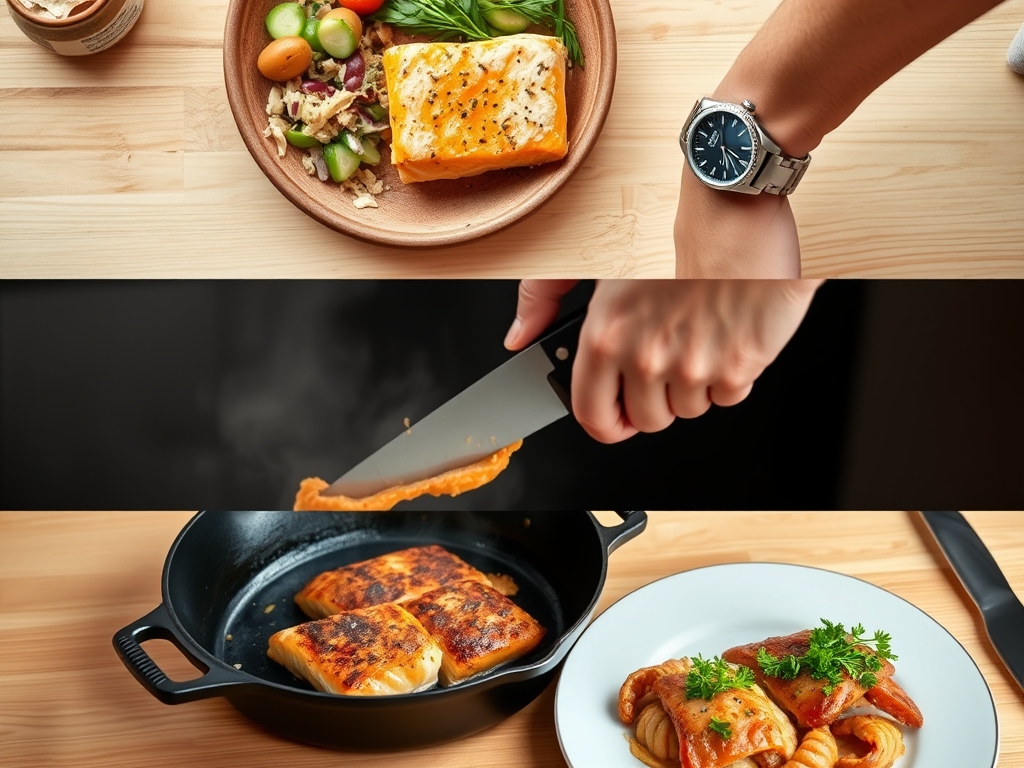
Remove the salmon from its packaging and use a paper towel to aggressively pat the skin and surface dry. Moisture is the enemy of the Maillard reaction. If the surface is damp, the fish will steam rather than sear.
Pro Tip: This process removes surface water that would otherwise absorb thermal energy. By eliminating it, you allow the heat to immediately begin rendering the fats and browning the proteins.
2. The Emulsion Whisk
In your small bowl, combine the honey, mustards, garlic, and a pinch of kosher salt. Use a small whisk to aerate the mixture until it is light and completely homogenous.
Pro Tip: Mustard contains natural emulsifiers like mucilage. When whisked with honey and oil, it creates a stable suspension that clings to the fish instead of sliding off into the pan.
3. The First Coat
Place the fillets on a parchment-lined tray. Use a silicone pastry brush to apply a thin, even layer of the glaze. Do not use all of it yet; we are building layers of flavor.
Pro Tip: This initial layer acts as a sacrificial barrier. It protects the delicate flesh from direct dry heat while the sugars begin to undergo pyrolysis, creating that deep caramel flavor.
4. The High-Heat Roast
Slide the tray into the center rack of the oven. The ambient air must circulate freely, so do not crowd the pan.
Pro Tip: Using a heavy-bottomed pan ensures even heat distribution. This prevents "hot spots" that could burn the honey before the internal temperature of the salmon reaches its goal.
5. The Glaze Reinforcement
At the 8-minute mark, pull the tray out and apply a second, thicker layer of the honey mustard mixture. This creates a "lacquered" effect.
Pro Tip: This technique is called successive glazing. The second layer adds fresh moisture and a bright "pop" of mustard heat that has not been muted by long exposure to high temperatures.
6. The Broil Finish
Switch your oven to the broil setting for the final 120 seconds. Watch it like a hawk. You want to see the glaze bubble and darken at the edges.
Pro Tip: The intense infrared heat of the broiler triggers rapid enzymatic browning. This creates a complex flavor profile that balances the sweetness of the honey with a smoky, charred finish.
7. The Resting Period
Use tongs or a wide fish spatula to move the salmon to a warm plate. Let it rest for 3 to 5 minutes before serving.
Pro Tip: This allows for thermal carryover. The internal temperature will rise by about 5 degrees while resting, and the juices will redistribute throughout the muscle fibers for a succulent bite.
The Deep Dive
From a nutritional standpoint, this dish is a powerhouse. A standard 6-ounce portion provides roughly 34 grams of high-quality protein and is rich in Vitamin B12 and Potassium. The fats are primarily unsaturated, supporting heart health and brain function.
Dietary Swaps: To make this Keto-friendly, swap the honey for a monk fruit-based syrup or simply increase the olive oil and garlic for a savory "mustard-crust" version. For a Vegan alternative, this glaze works beautifully on thick slabs of cauliflower or firm tofu. If you are Gluten-Free, ensure your mustard brand does not use flour as a thickener.
The Fix-It:
- White Stuff Appearing: This is albumin, a protein that pushes out when salmon is cooked too fast or too long. Fix: Lower your oven temp by 25 degrees next time or pull the fish 2 minutes earlier.
- Soggy Skin: The pan wasn't hot enough or the skin wasn't dry. Fix: Start the salmon skin-side down in a heavy-bottomed skillet on the stovetop for 2 minutes before moving to the oven.
- Burnt Glaze: The honey reached its smoking point too early. Fix: Tent the fish loosely with foil if the glaze darkens before the center is cooked.
Meal Prep: To reheat, avoid the microwave. The rapid agitation of water molecules will turn the fish rubbery. Instead, place the salmon in a 275-degree oven with a teaspoon of water and cover with foil. This "steams" it back to life, maintaining that day-one flakey texture.
The Wrap-Up
Mastering honey mustard salmon recipes baked in your own kitchen is a total game changer for your culinary confidence. You have moved beyond just "cooking" and into the realm of flavor engineering. By understanding how honey stabilizes moisture and how mustard emulsifies fats, you can now replicate this glossy, restaurant-style finish every single time. It is fast, it is healthy, and it is undeniably impressive. Now, grab that fork and dive into the perfect balance of sweet, sharp, and savory. You earned it!
The Kitchen Table
How do I know when the salmon is perfectly done?
The most reliable method is using a digital thermometer. Aim for an internal temperature of 125 to 130 degrees Fahrenheit for a perfect medium. The flesh should also flake easily when pressed gently with a fork or a bench scraper.
Can I use frozen salmon for this recipe?
Yes, but you must thaw it completely in the refrigerator first. Once thawed, use extra paper towels to remove the excess moisture inherent in frozen seafood. This ensures the honey mustard glaze adheres properly to the surface of the fish.
What is the best type of honey to use?
A mild, floral honey like Clover or Orange Blossom works best. These varieties provide sweetness without overpowering the delicate flavor of the salmon. Avoid very dark honeys like Buckwheat, which can become overly bitter when caramelized under the broiler.
Why did my glaze slide off the fish?
This usually happens if the salmon was too wet or if the glaze wasn't properly emulsified. Always pat the fish dry and whisk your glaze until it is a thick, uniform consistency before brushing it onto the fillets.