
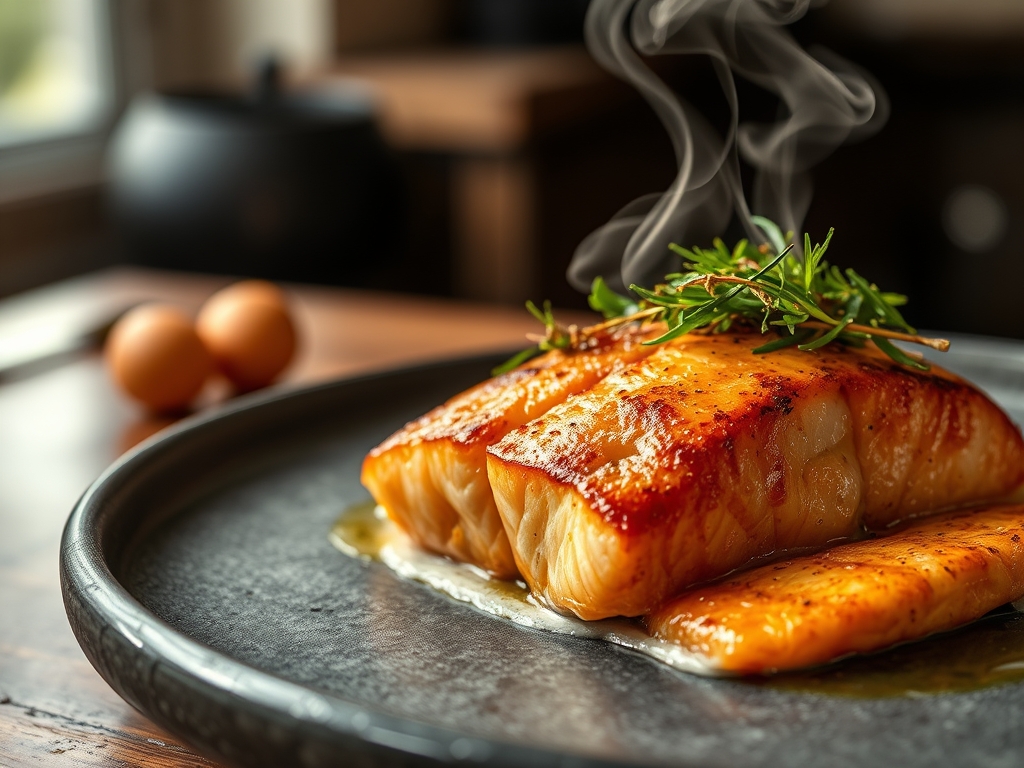
Picture the scene: the sun is dipping low; the air is crisp; and your outdoor griddle is humming with a steady, radiant heat. There is a specific, intoxicating magic that happens when cold, fatty protein hits a scorching hot surface. If you are hunting for the ultimate salmon recipes on blackstone, you are not just looking for a meal; you are looking for that perfect, glass-like crust and a center that flakes at the mere suggestion of a fork.
The Blackstone is the undisputed champion of the salmon world because of its massive thermal mass. Unlike a traditional pan, it does not lose temperature when you drop a cold fillet onto it. This means we can achieve a restaurant-grade sear without overcooking the delicate interior. We are talking about high-octane flavor fueled by the Maillard reaction. Today, I am walking you through six game-changing hacks that transform a basic piece of fish into a culinary masterpiece. Grab your bench scraper and your favorite apron; we are about to turn your patio into the hottest bistro in town.
The Gathers:
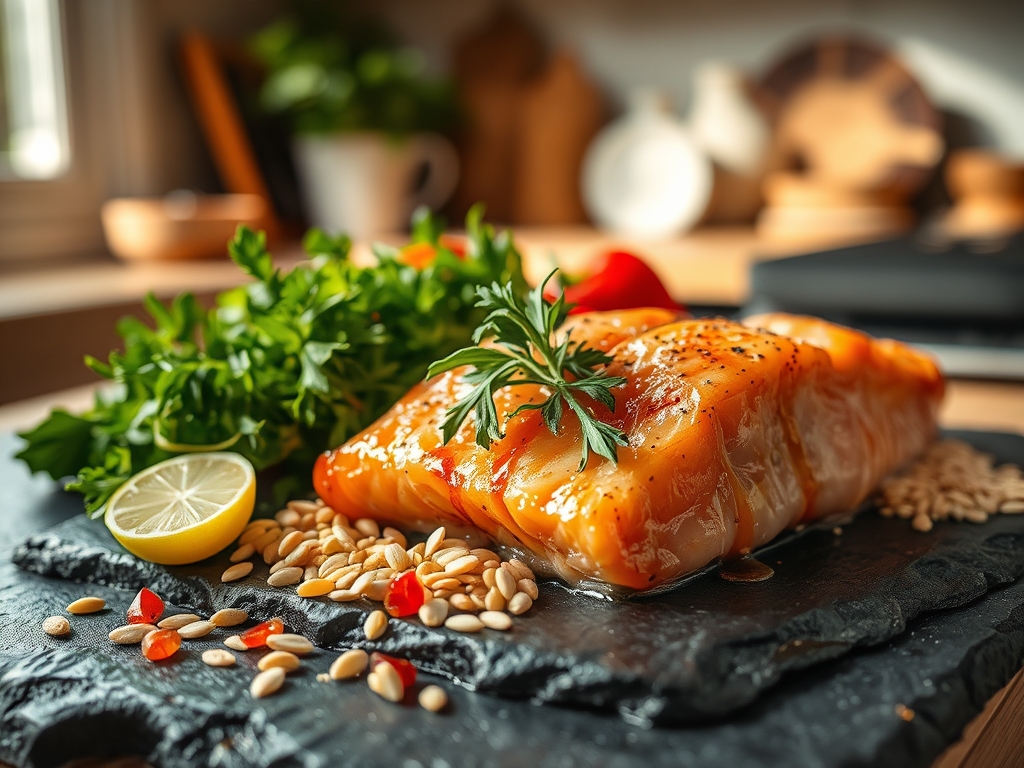
Before we ignite the burners, we must respect the mise-en-place. For these salmon recipes on blackstone, you need high-quality Atlantic or King salmon fillets. Look for vibrant color and a firm texture. You will also need a high-smoke-point fat like avocado oil or clarified butter; standard butter contains milk solids that will scorch and turn bitter at these temperatures.
For the aromatics, gather fresh dill, cloves of garlic, and a bright lemon. You will want a coarse kosher salt to draw out surface moisture and a piquant cracked black pepper. If you are looking for smart substitutions, you can swap the honey in the glazes for agave or a keto-friendly monk fruit syrup to maintain that viscous consistency without the glycemic spike. If you do not have a microplane for your lemon zest, a fine grater works, but the microplane ensures you only get the aromatic oils and none of the bitter white pith.
The Clock
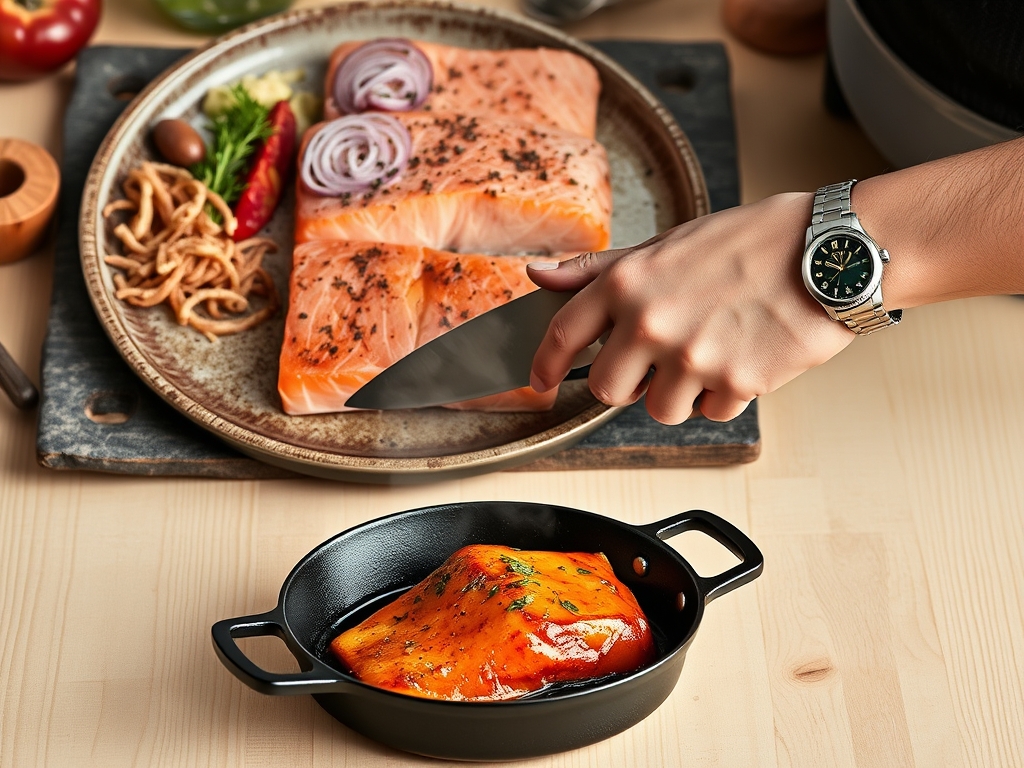
Efficiency in the kitchen is all about the Chef's Flow. Your total prep time should clock in at about 10 minutes. This involves patting the fish bone-dry and portioning your fillets using a sharp damascus steel knife or a reliable chef's knife.
The actual cook time is remarkably fast: roughly 4 to 6 minutes per side depending on the thickness of the cut. The Blackstone requires a 5 to 10 minute preheat to reach that sweet spot of 400 degrees Fahrenheit. Remember that salmon continues to cook after it leaves the heat. We call this thermal carryover. By pulling the fish at an internal temperature of 130 degrees, the residual heat will push it to a perfect 135 or 140 degrees while it rests.
The Masterclass
1. The Super-Dry Skin Technique
Start by using your bench scraper to clear any debris from the griddle. Pat the salmon skin with a paper towel until it is bone-dry. Apply a thin layer of oil directly to the skin, not the griddle. Place the fish skin-side down and press firmly with a heavy spatula for 30 seconds.
Pro Tip: This physical pressure prevents the protein fibers from curling as they contract, ensuring maximum surface contact for a uniform, crispy texture.
2. The Butter Basting Infusion
Once you flip the salmon, place a small knob of clarified butter and a smashed garlic clove next to the fillet. Use your tongs to tilt the fish slightly so it bathes in the bubbling fat.
Pro Tip: This is known as "arrosé." The fat acts as a heat transfer medium, delivering the fat-soluble compounds from the garlic deep into the lamellae of the fish.
3. The Ice Cube Steam Hack
If you have a particularly thick fillet, place a metal dome over the fish and toss a single ice cube underneath it. The immediate evaporation creates a burst of localized steam.
Pro Tip: This utilizes latent heat of vaporization to cook the center of the fish gently without toughening the exterior fibers through excessive direct conduction.
4. The Citrus Deglaze
Just before pulling the fish, squeeze fresh lemon juice directly onto the griddle surface surrounding the salmon. Use your spatula to swirl the liquid toward the fish.
Pro Tip: This process will deglaze the caramelized sugars and proteins stuck to the griddle, incorporating those concentrated flavors back into the bottom of the fillet.
5. The Honey-Soy Glaze Polymerization
Apply a glaze of honey, soy sauce, and ginger during the last 60 seconds of cooking. The high sugar content will bubble and thicken almost instantly.
Pro Tip: This is controlled caramelization. The heat evaporates the water in the glaze, creating a sticky, viscous coating that clings to the protein through molecular adhesion.
6. The Carryover Rest
Remove the salmon and place it on a wire rack rather than a flat plate. Let it sit for at least three minutes before serving.
Pro Tip: Resting allows the internal juices to redistribute. If you cut it immediately, the pressure from the contracted muscle fibers will push the moisture out, leaving the fish dry.
The Deep Dive
From a nutritional standpoint, these salmon recipes on blackstone are a powerhouse. A standard 6-ounce fillet provides roughly 34 grams of high-quality protein and is rich in Omega-3 fatty acids, which are essential for heart health. If you are following a Keto lifestyle, simply omit the honey glazes and lean into herb-infused oils. For a vegan alternative, this same Blackstone technique works beautifully with thick slabs of "Tofu Salmon" marinated in beet juice and liquid smoke.
If you run into trouble, do not panic. If the skin is sticking, it is likely because the griddle wasn't hot enough or you tried to flip it too early; the fish will naturally release once the proteins have fully denatured and browned. If the exterior is burnt but the middle is raw, your heat is too high; move the fish to a cooler zone on the griddle. If the fish looks "white and chalky," that is albumin leaking out, which means it is overcooking. Pull it off the heat immediately.
For meal prep, reheating salmon is a science. Avoid the microwave, as it vibrates water molecules too violently and toughens the fish. Instead, use a heavy-bottomed skillet on low heat with a splash of water and a lid. This gently re-hydrates the protein without ruining the delicate texture you worked so hard to achieve.
The Wrap-Up
Mastering salmon recipes on blackstone is a total game-changer for your outdoor cooking repertoire. By understanding the physics of heat transfer and the chemistry of the Maillard reaction, you can produce fillets that rival any high-end steakhouse. It is about the sizzle, the scent of caramelizing fats, and the joy of sharing a perfectly cooked meal under the open sky. So, fire up that griddle, trust your instincts, and get ready to impress everyone at the table.
The Kitchen Table
How do I stop salmon from sticking to the Blackstone?
Ensure the griddle is preheated to at least 400 degrees. Pat the fish completely dry and use a high-smoke-point oil. Do not attempt to flip the fillet until it naturally releases from the surface after forming a crust.
What is the best oil for Blackstone salmon?
Avocado oil or grapeseed oil are ideal because they have high smoke points. Clarified butter (ghee) is also excellent for flavor without the risk of burning the milk solids found in regular butter.
How do I know when the salmon is done?
Use a digital thermometer to check the thickest part of the fillet. Pull the salmon off the griddle at 130 degrees Fahrenheit. The temperature will rise to the ideal 135-140 degrees during the resting period.
Can I cook frozen salmon on the griddle?
It is not recommended. For the best texture and even cooking, thaw the salmon completely in the refrigerator overnight. Cooking from frozen leads to a mushy exterior and a raw, icy center.
Should I leave the skin on?
Yes, the skin acts as a protective barrier against the high heat. It also contains healthy fats that render out, adding flavor and creating a delicious, crispy texture that contrasts perfectly with the soft meat.