
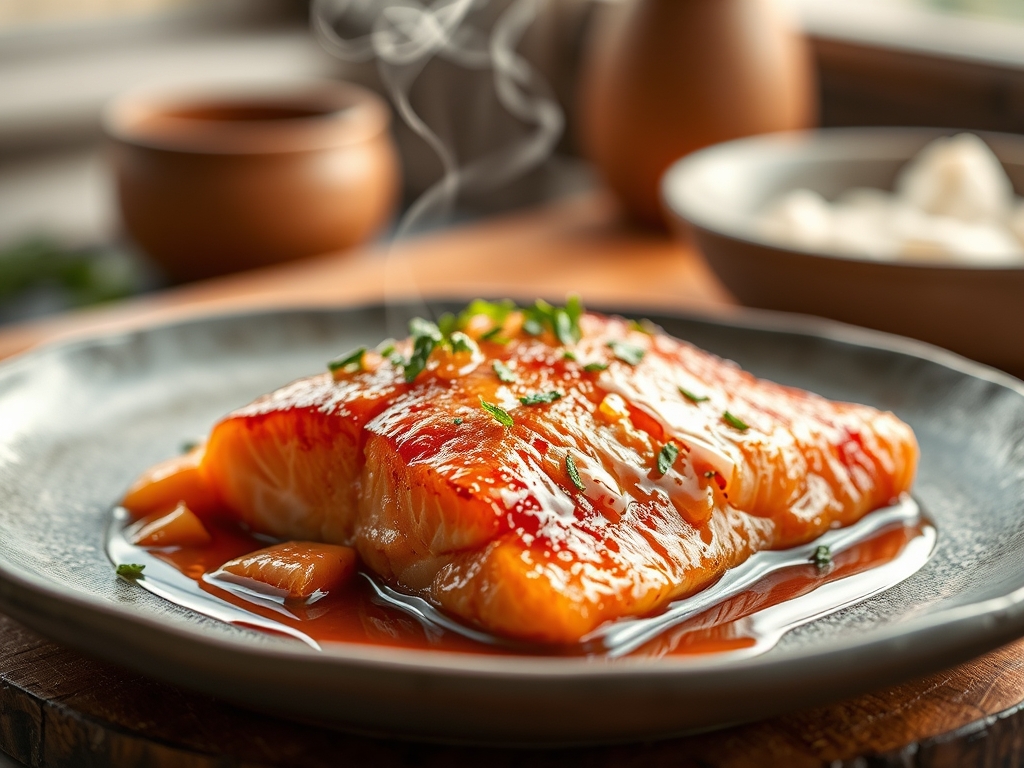
Picture a heavy-bottomed skillet hissing as cold protein meets searing heat. The scent of caramelizing sugars tangles with the sharp, piquant aroma of rice vinegar. When you master sweet and sour salmon recipes, you are not just cooking dinner; you are conducting a symphony of pH balance and thermal physics. It is the ultimate weeknight flex for the modern home cook.
The magic of this dish lies in the tension between the fatty, buttery flakes of the fish and the bright, viscous glaze that clings to every fiber. We are moving beyond the neon-orange bottled sauces of our youth. We are going deep into the chemistry of flavor to create a dish that feels like a high-end bistro offering but takes less time than ordering takeout. This is about precision, texture, and that perfect Maillard crust that shatters under your fork.
Salmon is uniquely suited for this flavor profile because its high lipid content acts as a buffer against the acidity of the sauce. While leaner fish might be overwhelmed by the vinegar, salmon stands its ground. By the time we are done, you will understand how to manipulate sugars and proteins to achieve a restaurant-grade finish every single time. Grab your apron; we are about to turn your kitchen into a laboratory of deliciousness.
The Gathers:
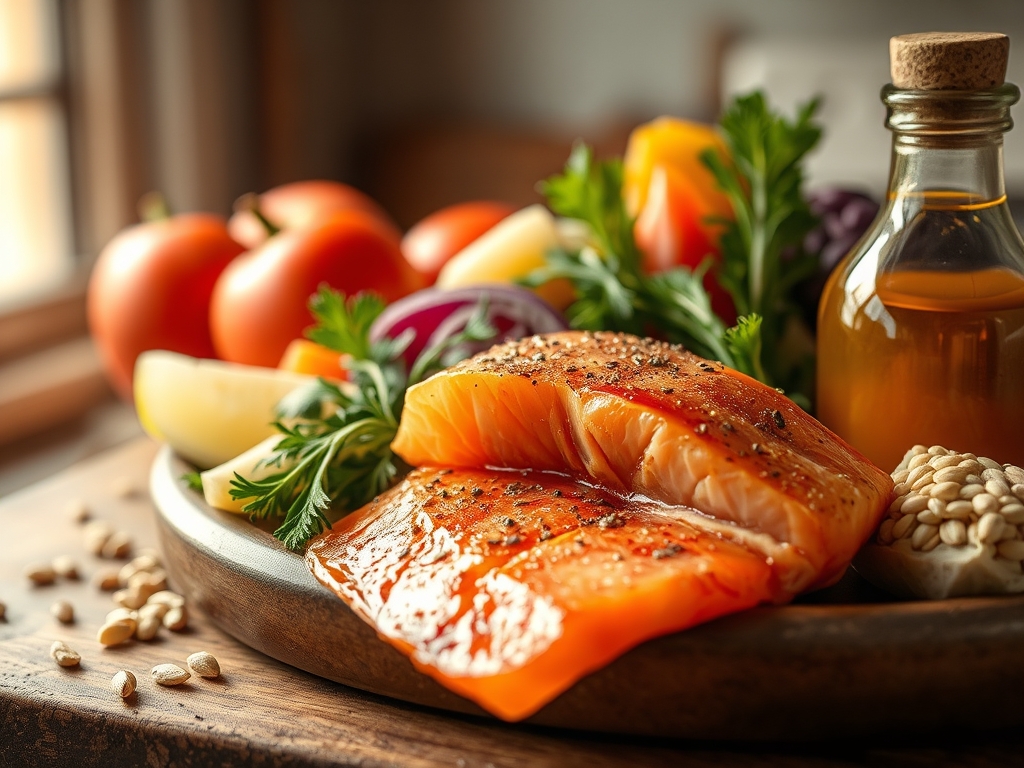
To execute this properly, your mise-en-place must be flawless. Start with four six-ounce center-cut salmon fillets. Look for skin-on portions; the subcutaneous fat layer provides a thermal barrier that prevents the flesh from drying out during the sear. You will need high-smoke-point avocado oil for the pan and a microplane to grate fresh ginger and garlic into a fine paste. This maximizes surface area, ensuring the aromatics infuse the oil without burning.
For the sauce, gather raw honey or brown sugar to act as your primary sweetener. Pair this with unseasoned rice vinegar for that essential acid kick. You will also need tamari or low-sodium soy sauce to provide a savory umami backbone. A small amount of tomato paste adds body and lycopene for color, while a cornstarch slurry provides the necessary thickening power to make the sauce viscous enough to coat a spoon.
Smart Substitutions: If you are avoiding refined sugar, use maple syrup or coconut aminos. For those who want a spicy kick, a teaspoon of sambal oelek or gochugaru will add a complex heat. If you lack rice vinegar, apple cider vinegar is an acceptable substitute, though it carries a fruitier profile that may require a touch more salt to balance.
The Clock: Chef's Flow
Efficiency in the kitchen is about "Chef's Flow." This is the logical sequencing of tasks to minimize downtime and ensure every component reaches the plate at the optimal temperature. Total active time for this recipe is approximately 12 minutes, with a total turnaround of 25 minutes.
The flow begins with the salmon temper. Take the fish out of the refrigerator 15 minutes before cooking to take the chill off. Cold fish in a hot pan causes the muscle fibers to seize, resulting in a tough texture. While the fish tempers, whisk your sauce components in a small saucier. Once the pan is hot, the actual cooking happens in a flash: four minutes for the sear and three minutes for the glaze reduction. Always allow for a two-minute rest period to let the juices redistribute.
The Masterclass
1. The Moisture Purge
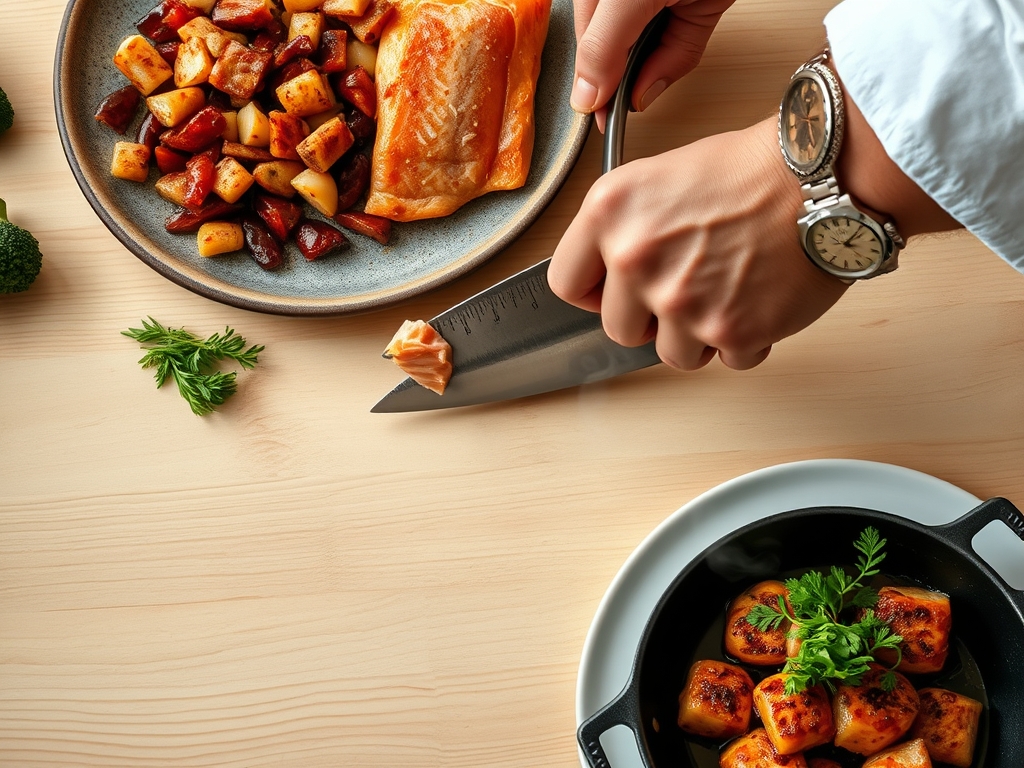
Pat the salmon fillets bone-dry using paper towels. Moisture is the enemy of the sear. If the surface is damp, the heat of the pan will turn that water into steam, preventing the Maillard reaction from occurring. Season generously with kosher salt just seconds before the fish hits the pan.
Pro Tip: Salt is a desiccant. If you salt the fish too early and let it sit, it will draw moisture to the surface via osmosis, ruining your chances of a crispy crust.
2. The High-Heat Sear
Heat your heavy-bottomed skillet over medium-high heat until the oil shimmers. Place the salmon skin-side down. Use a flexible fish spatula to press down firmly for the first 30 seconds. This prevents the skin from curling and ensures even contact with the heat source.
Pro Tip: Pressing the fish ensures the collagen in the skin breaks down evenly into gelatin, resulting in a potato-chip-like crunch rather than a rubbery texture.
3. The Flip and Render
Once the skin is crispy and the flesh has cooked about two-thirds of the way up the side, flip the fillets gently using tongs. Cook the second side for only 60 to 90 seconds. You want the center to remain a translucent medium-rare to account for thermal carryover.
Pro Tip: Thermal carryover means the internal temperature will continue to rise by 5 to 10 degrees after you remove the fish from the heat. Pulling it early ensures a moist interior.
4. Deglaze and Emulsify
Remove the salmon from the pan and set it aside on a warm plate. Pour off any excess rendered fat, but keep the brown bits (the fond). Pour your sauce mixture into the hot skillet. Use a whisk to deglaze the pan, scraping up those flavorful particles.
Pro Tip: The "fond" contains concentrated proteins and sugars that add depth to your sauce through a process called deglazing, which incorporates those toasted flavors back into the liquid.
5. The Final Glaze
Whisk the sauce as it bubbles and reduces. Once it reaches a "nappe" consistency (it coats the back of a spoon), return the salmon to the pan briefly. Spoon the hot glaze over the fillets to create a lacquered finish. Remove from heat immediately.
Pro Tip: Over-reducing the sauce will cause the sugars to burn and become bitter. Look for large, slow-popping bubbles; this indicates the water has evaporated and the sugars are concentrating.
The Deep Dive
From a nutritional standpoint, this dish is a powerhouse. A single serving provides roughly 35 grams of high-quality protein and a significant dose of Omega-3 fatty acids. While the sauce contains sugars, using honey provides trace minerals and enzymes that refined white sugar lacks. For a Keto version, swap the honey for monk fruit sweetener and use xanthan gum instead of cornstarch. For a Vegan twist, this same glaze works beautifully on "steaks" of extra-firm tofu or cauliflower.
The Fix-It: If your sauce is too thin, whisk a teaspoon of cornstarch with cold water and drizzle it in. If the salmon is sticking to the pan, it usually means it is not ready to be flipped. The fish will naturally "release" once the crust has formed. If the sauce tastes too sour, add a pinch of salt rather than more sugar; salt suppresses the perception of acidity.
For meal prep, store the sauce and salmon separately if possible. To reheat, avoid the microwave, which turns salmon into rubber. Instead, place the fish in a cold oven and set it to 275 degrees. As the oven preheats, the fish warms gently, preserving the delicate fats.
The Wrap-Up
Mastering sweet and sour salmon recipes is a gateway to understanding the delicate balance of flavor profiles. By focusing on the science of the sear and the chemistry of the reduction, you have elevated a simple protein into a culinary masterpiece. This dish is vibrant, sophisticated, and incredibly satisfying. Now, take these secrets, fire up your stove, and show that skillet who is boss. Your taste buds will thank you.
The Kitchen Table
How do I get the skin extra crispy?
Ensure the skin is bone-dry and the pan is shimmering hot. Use a heavy-bottomed skillet and press the fish down with a spatula for the first thirty seconds to ensure maximum surface contact and even heat distribution for a perfect crunch.
Can I use frozen salmon for this?
Yes, but you must thaw it completely in the refrigerator first. Pat it extremely dry to remove excess moisture from the freezing process. Frozen salmon often contains more water, so extra drying is essential for a proper sear and crust.
Why did my sauce turn out gummy?
A gummy texture usually results from using too much cornstarch or over-reducing the liquid. To fix this, whisk in a tablespoon of water or broth over low heat until the sauce reaches a smooth, viscous, and pourable consistency again.
What are the best sides for this dish?
Serve this salmon over a bed of jasmine rice or quinoa to soak up the extra glaze. Blanched bok choy, steamed broccoli, or a crisp cucumber salad provide a refreshing, crunchy contrast to the rich, buttery texture of the fish.