
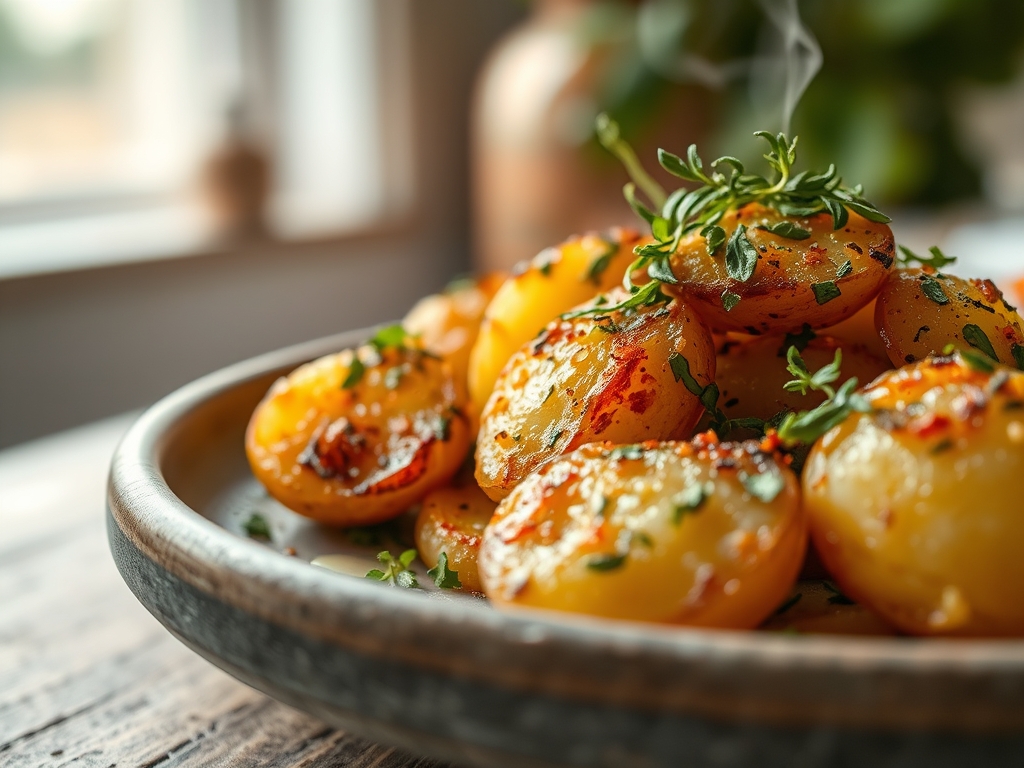
Picture the sound of a heavy-bottomed skillet meeting a high-flame burner; it is the percussion of a perfect dinner beginning. There is nothing quite like the scent of rosemary and garlic infusing into hot fat as a spud transforms from a humble tuber into a golden masterpiece. Mastering seasoned potato recipes is the ultimate culinary flex because it balances simple chemistry with high-impact flavor. Whether you are craving a piquant kick or a buttery, herbaceous crust, these six bold blends will elevate your side dish from an afterthought to the main event. We are moving beyond basic salt and pepper to explore the molecular magic of the Maillard reaction.
The Gathers:
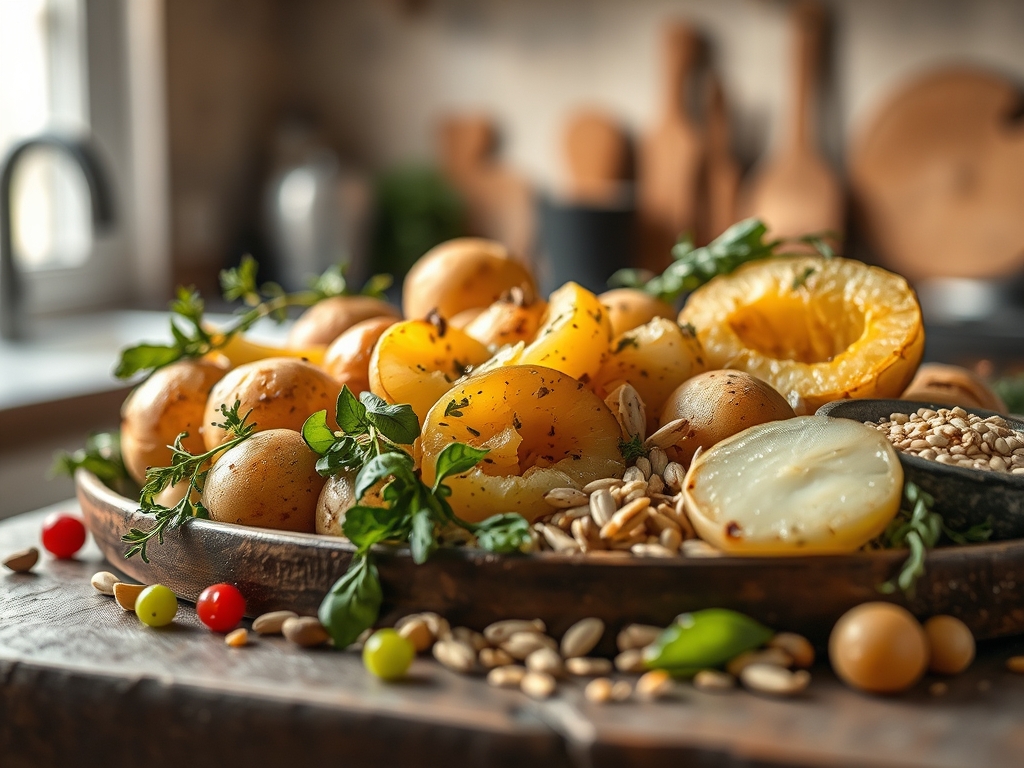
To execute these seasoned potato recipes with precision, your mise-en-place must be impeccable. Start with the starch. For a fluffy interior, reach for Russets; for a waxy, hold-its-shape texture, choose Yukon Golds. You will need high-smoke-point fats like avocado oil or clarified butter to ensure the sugars do not scorch before the starch gelatinizes.
Your spice drawer is the laboratory. Gather smoked paprika for earthiness, nutritional yeast for a vegan umami bomb, and freshly cracked peppercorns. Use a microplane to zest citrus or grate hard cheeses; the increased surface area allows the oils to aerate and permeate the dish instantly. If you lack fresh herbs, dried ones work if you bloom them in the oil first to release their volatile compounds.
Smart Substitutions:
If you are out of garlic cloves, use a high-quality garlic oil to maintain that piquant profile without the risk of burnt bits. Swap heavy cream for full-fat coconut milk in mashed variations to achieve a viscous, velvety texture that remains dairy-free. For a low-carb alternative that mimics the starch profile, try cubed celery root or radishes; they take seasoning beautifully and roast with a similar structural integrity.
The Clock
Efficiency in the kitchen is all about the "Chef's Flow." Total prep time for these blends averages fifteen minutes, while roasting or searing takes thirty to forty-five minutes depending on the cut. The secret to speed is parboiling. By pre-cooking your potatoes in salted water for seven minutes, you soften the pectin. This reduces oven time by half and ensures the center is creamy while the exterior shatters upon impact. Always allow your potatoes to steam-dry for three minutes after draining; moisture is the enemy of a crisp crust.
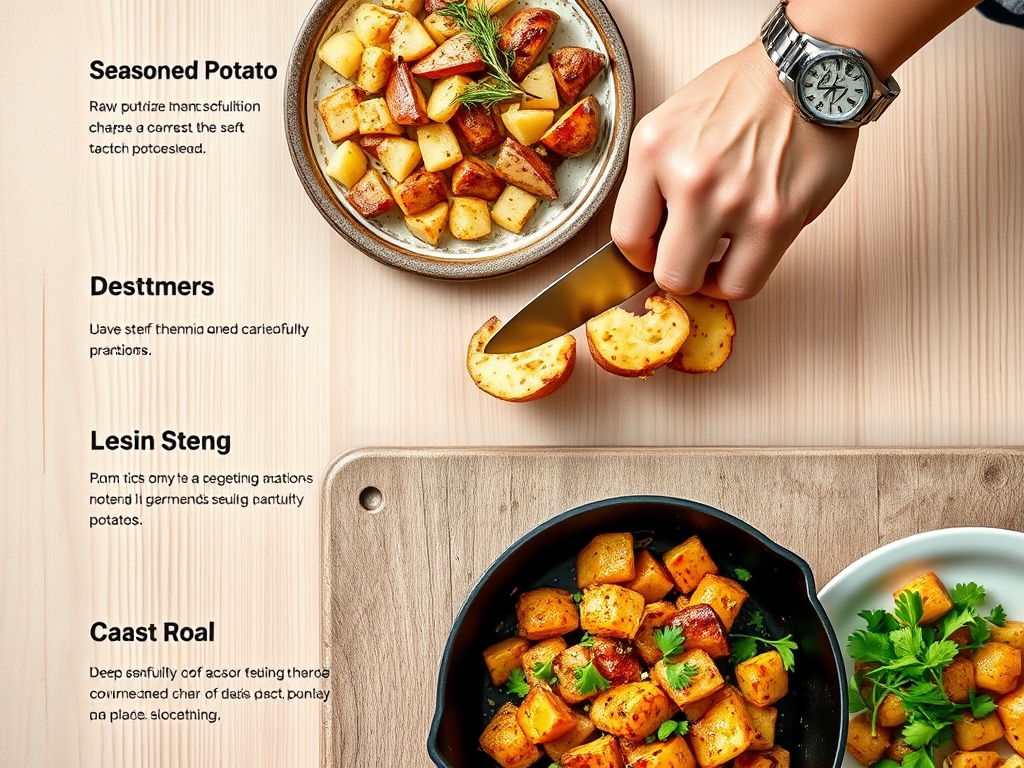
The Masterclass
1. The Smoked Paprika and Cumin Blast
Toss your cubed potatoes in a mixture of smoked paprika, ground cumin, and a hint of cayenne. Use a large metal bowl to toss vigorously; this creates a starchy slurry on the surface that crisps up into a rugged, flavorful shell.
Pro Tip: This relies on the Maillard reaction, where amino acids and reducing sugars rearrange under heat. By adding a pinch of baking soda to your boiling water, you raise the pH level, accelerating this browning process for a deeper, nuttier flavor.
2. Garlic Parmesan and Lemon Zest Infusion
After roasting with olive oil and smashed garlic, use a microplane to shower the hot potatoes with aged Parmesan and fresh lemon zest. The residual heat will melt the cheese into the crevices without breaking the emulsion.
Pro Tip: Observe the thermal carryover effect. Remove the potatoes when they are just shy of your desired darkness. The internal temperature will continue to rise for several minutes, finishing the cook perfectly on the counter.
3. Rosemary and Sea Salt Classic
Finely mince fresh rosemary using a sharp chef's knife to avoid bruising the leaves. Combine with flaky sea salt and cracked black pepper. Toss the potatoes in rendered duck fat or tallow for an incredibly rich mouthfeel.
Pro Tip: This method utilizes lipid infusion. Fat is a solvent for flavor; by heating the rosemary in the oil briefly before tossing, you ensure the fat-soluble aromatic compounds are distributed evenly across every square millimeter of the potato.
4. The Everything Bagel Crunch
Use a blend of dried onion, garlic flakes, poppy seeds, and sesame seeds. Apply this blend halfway through the roasting process to prevent the delicate seeds from scorching while the potato finishes its cycle.
Pro Tip: This prevents enzymatic browning. If you prep your potatoes ahead of time, submerge them in cold, acidified water (add a splash of lemon). This inhibits the polyphenol oxidase enzyme from turning your beautiful tubers gray.
5. Turmeric and Ginger Zinger
For an anti-inflammatory powerhouse, use ground turmeric, fresh grated ginger, and a touch of honey. The honey will caramelize quickly, creating a sticky, lacquered finish that balances the earthy turmeric.
Pro Tip: Watch for caramelization, which occurs at 320 degrees Fahrenheit. Unlike the Maillard reaction, this is the oxidation of sugar. Use a digital scale to ensure your honey-to-oil ratio is correct so the glaze does not become a burnt mess.
6. Truffle and Chive Elegance
Once the potatoes are golden and crisp, toss them with a drizzle of white truffle oil and a handful of finely snipped chives. Use kitchen tongs to toss gently so you do not break the delicate crust you worked so hard to build.
Pro Tip: This is about volatile aromatics. Truffle oil loses its nuance under high heat. Always add it as a finishing touch to preserve the complex, musky notes that would otherwise evaporate in a hot oven.
The Deep Dive
Nutritiously speaking, potatoes are a powerhouse of potassium and Vitamin C. A standard serving of these seasoned potato recipes contains roughly 160 calories, primarily from complex carbohydrates. To keep it Keto, swap the potato for cauliflower florets. For a Vegan profile, use nutritional yeast or vegan butter. If you are Gluten-Free, you are already safe, as potatoes are naturally wheat-free.
The Fix-It:
- Soggy Potatoes: You overcrowded the pan. Steam got trapped between the pieces. Spread them out on two sheets to allow air circulation.
- Burnt Spices: You added dried herbs too early. Next time, add delicate spices during the last ten minutes of roasting.
- Internal Rawness: Your heat was too high. The outside scorched before the heat reached the center. Lower the temp and use a heavy-bottomed skillet for even distribution.
Meal Prep Science: To reheat and maintain "day-one" quality, avoid the microwave. The microwave agitates water molecules, making the starch gummy. Instead, use an air fryer or a hot pan to re-crisp the exterior and gelatinize the fats once more.
The Wrap-Up
Mastering seasoned potato recipes is about more than just dinner; it is about understanding how heat, fat, and aromatics interact to create something crave-worthy. By using these six bold blends, you are not just cooking; you are engineering a sensory experience. Grab your bench scraper, preheat that oven, and get ready to serve the best potatoes your kitchen has ever seen.
The Kitchen Table
Which potato is best for roasting?
Yukon Gold potatoes are the gold standard for roasting. Their medium starch content provides a creamy interior while the thin skin crisps beautifully. They balance the fluffiness of a Russet with the structural integrity of a waxy red potato.
How do I make potatoes extra crispy?
Parboil your potatoes in alkaline water (add baking soda) before roasting. This breaks down the surface pectin, creating a starchy mash on the exterior. Once roasted in fat, this layer dehydrates into a glass-like, ultra-crunchy crust.
Can I use dried herbs instead of fresh?
Yes, but use a one-to-three ratio since dried herbs are more potent. To maximize flavor, "bloom" dried herbs in your cooking oil for sixty seconds before adding the potatoes. This rehydrates the herbs and releases their concentrated oils.
Why are my roasted potatoes sticking to the pan?
Potatoes stick when the starch has not yet formed a caramelized crust or if the pan was cold. Always preheat your baking sheet and ensure you use enough fat to create a barrier between the vegetable and the metal surface.