
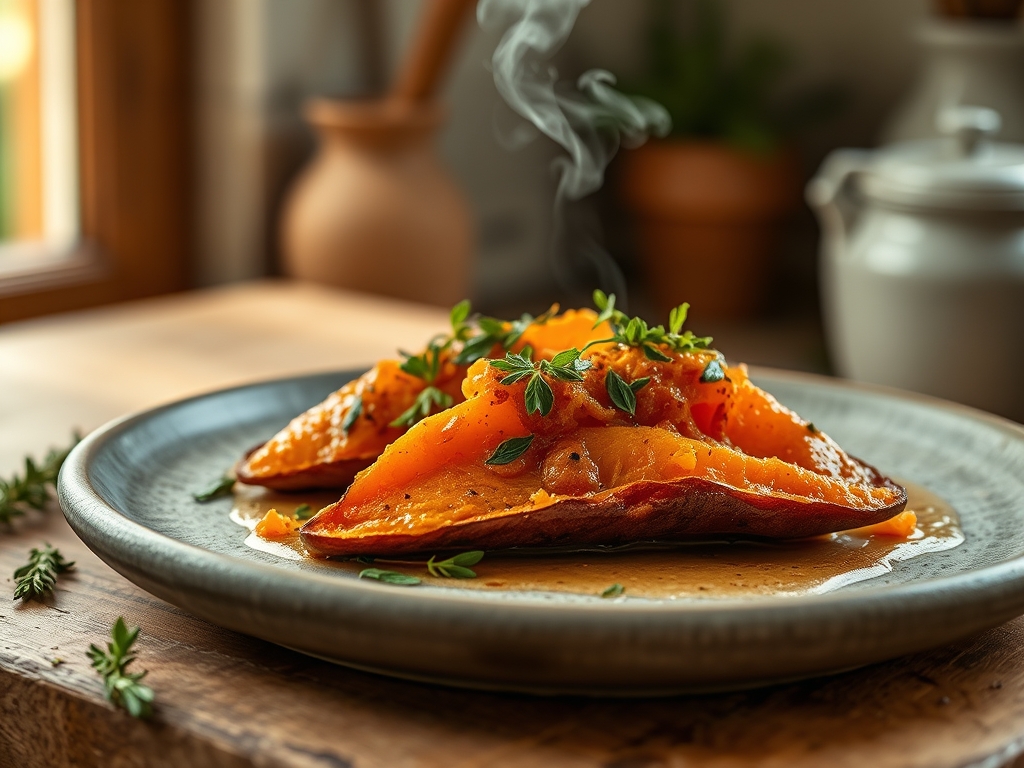
Imagine the smell of caramelized brown sugar and toasted pecans wafting through your kitchen on a crisp autumn afternoon. We are diving deep into the world of sweet potato recipes pioneer woman style; those hearty, soul-warming dishes that bridge the gap between rustic comfort and sophisticated culinary science. Sweet potatoes are not just a side dish; they are a starch powerhouse capable of incredible transformations when you understand the chemistry of their natural sugars.
When we talk about Ree Drummond's approach, we are looking at the intersection of high-fat dairy and slow-roasted root vegetables. It is about achieving that perfect velvety texture while maintaining a structural integrity that prevents the dish from becoming a sad, watery mash. Whether you are whipping up a classic casserole or experimenting with savory fries, the goal is always the same: maximizing the Maillard reaction. This chemical process occurs when amino acids and reducing sugars meet heat, creating those complex, nutty flavors we crave. Today, I am going to walk you through the nuances of these iconic recipes, treating your kitchen like a laboratory and your palate like a VIP guest. We will explore how to balance the cloying sweetness of the tuber with piquant spices and salty fats to create a masterpiece that feels both nostalgic and professional.
The Gathers:
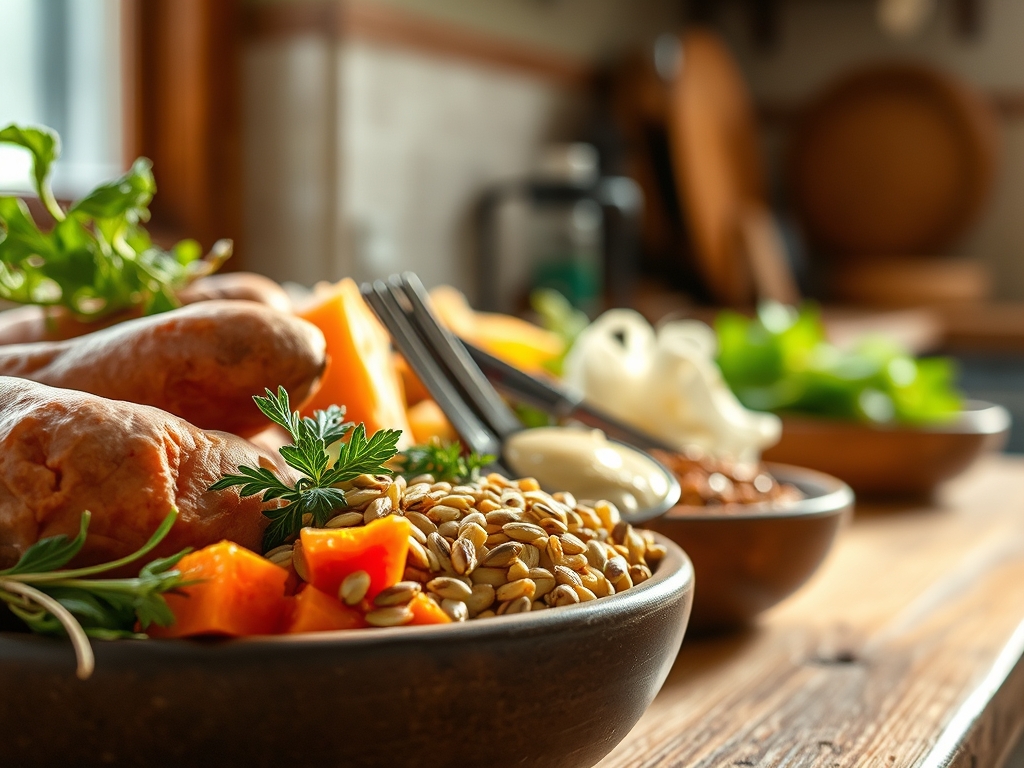
To execute these sweet potato recipes pioneer woman fans adore, your mise-en-place must be precise. Start with firm, unblemished Beauregard or Jewel sweet potatoes. These varieties contain a high concentration of amylase, an enzyme that breaks down starches into maltose during the cooking process. You will also need high-quality unsalted butter to control the sodium levels, heavy cream for a viscous mouthfeel, and dark brown sugar for its molasses-driven depth.
Grab your microplane for fresh nutmeg and orange zest; these volatile oils provide a bright counterpoint to the earthy tubers. For the savory variations, keep kosher salt, cracked black pepper, and fresh rosemary within reach. If you are looking for smart substitutions, you can swap heavy cream for full-fat coconut milk to add a subtle tropical note while maintaining the fat content necessary for a smooth emulsification. If you lack brown sugar, a combination of granulated sugar and a tablespoon of maple syrup will mimic that complex sweetness. Always use a digital scale to measure your ingredients for consistency, as the water content in potatoes can vary by season.
The Clock
Efficiency in the kitchen is all about the "Chef's Flow." For most of these masterpieces, you are looking at a 15-minute prep window followed by 45 to 60 minutes of thermal processing. The flow begins with the "High-Heat Phase," where we roast the potatoes to concentrate their sugars. While the oven does the heavy lifting, you move into the "Reduction Phase," preparing your toppings or sauces in a saucier.
Total time usually clocks in at 75 minutes. This includes a mandatory 10-minute resting period. Resting is not just a suggestion; it is a technical requirement. It allows the internal starches to retrogress slightly, setting the texture so the dish does not collapse when sliced. By syncing your prep with the oven's preheat cycle, you eliminate "dead air" in the kitchen and ensure every component reaches its peak temperature simultaneously.
The Masterclass
1. The Initial Roast and Peel
Start by scrubbing the skins and roasting the potatoes whole at 400 degrees Fahrenheit. Do not pierce them too many times; we want to steam them in their own jackets to preserve moisture. Once they are tender, use tongs to remove them and let them cool just enough to handle.
Pro Tip: This method prevents enzymatic browning and keeps the interior vibrant. Roasting whole also triggers a more intense conversion of starch to sugar than boiling does.
2. The Texture Refinement
Peel the skins and transfer the flesh to a large bowl. Use a potato ricer or a heavy-duty whisk to break down the fibers. Avoid a food processor, which can shear the starch molecules and turn your masterpiece into a gluey mess.
Pro Tip: Using a ricer ensures a uniform particle size, which allows the added fats to wrap around the starch granules more effectively, creating a silky emulsion.
3. Infusing the Aromatics
In a heavy-bottomed skillet, melt your butter until it begins to foam. Add your spices and zest, allowing the heat to infuse the fats with flavor. Fold this mixture into your potatoes along with your cream and sweeteners.
Pro Tip: Fat is a flavor carrier. By heating the spices in butter first (blooming), you unlock fat-soluble flavor compounds that would otherwise remain dormant.
4. The Structural Topping
For the iconic crunch, combine pecans, flour, and butter using a bench scraper to cut the fat into the dry ingredients. Spread this evenly over the potato base. The goal is a crumbly texture that will crisp up without melting into the mash.
Pro Tip: The flour in the topping acts as a thermal barrier, protecting the delicate pecans from scorching while the sugars underneath undergo further caramelization.
5. The Final Bake and Set
Return the dish to the oven at a lower temperature, around 350 degrees. This allows for thermal carryover, where the center reaches the safe serving temperature without the edges becoming desiccated.
Pro Tip: Watch for the "edge bubble." When the perimeter is bubbling but the center is set, the proteins in the dairy have coagulated enough to provide a stable structure.
The Deep Dive
From a macro nutrition perspective, sweet potatoes are a goldmine of Vitamin A (beta-carotene) and fiber. However, the Pioneer Woman style leans into the indulgence of fats. To make this Keto-friendly, swap the sugar for an erythritol blend and use crushed pork rinds or almond flour for the topping. For a Vegan version, utilize refined coconut oil and cashew cream to maintain that essential lipid profile.
If you hit a snag, don't panic. If your mash is too runny (the "Watery Grave" pitfall), stir in a tablespoon of cornstarch slurry and bake for an extra ten minutes to hydrate the starch. If the topping is burning, tent the dish with foil to reflect radiant heat. If the flavor is flat, add a teaspoon of apple cider vinegar; the acidity will brighten the sugars and cut through the heavy fat. For meal prep, reheat in the oven rather than the microwave. Microwaves vibrate water molecules too violently, which can break the emulsion and leave you with an oily puddle. An oven reheat at 300 degrees restores the crispness of the topping through dry-heat conduction.
The Wrap-Up
Mastering these sweet potato recipes pioneer woman style is about more than just following a list of ingredients; it is about respecting the chemistry of the kitchen. By focusing on temperature control, fat emulsification, and the Maillard reaction, you transform a humble root vegetable into a centerpiece. These dishes are designed to bring people together, offering a sense of warmth and accomplishment that only home cooking can provide. Now, grab your bench scraper and get to work; your kitchen is about to smell like heaven.
The Kitchen Table
Can I make these sweet potato recipes ahead of time?
Yes. Assemble the base up to two days in advance and store it in the refrigerator. Add the topping just before baking to prevent it from becoming soggy due to moisture migration from the potato mash.
Why are my roasted sweet potatoes sometimes stringy?
Stringiness is usually due to the age or variety of the potato. To fix this, pass the cooked flesh through a potato ricer or fine-mesh sieve to remove the fibrous vascular bundles before mixing in your dairy.
What is the best way to reheat leftovers?
Reheat in a 300 degree oven for 15 minutes. This method uses convection to recrisp the topping and gently warms the interior without breaking the fat emulsion, which often happens in a microwave.
Can I use canned yams for these recipes?
While possible, canned yams are often packed in heavy syrup and have a compromised cellular structure. For the best texture and controlled sweetness, always use fresh, oven-roasted sweet potatoes to ensure a professional result.