
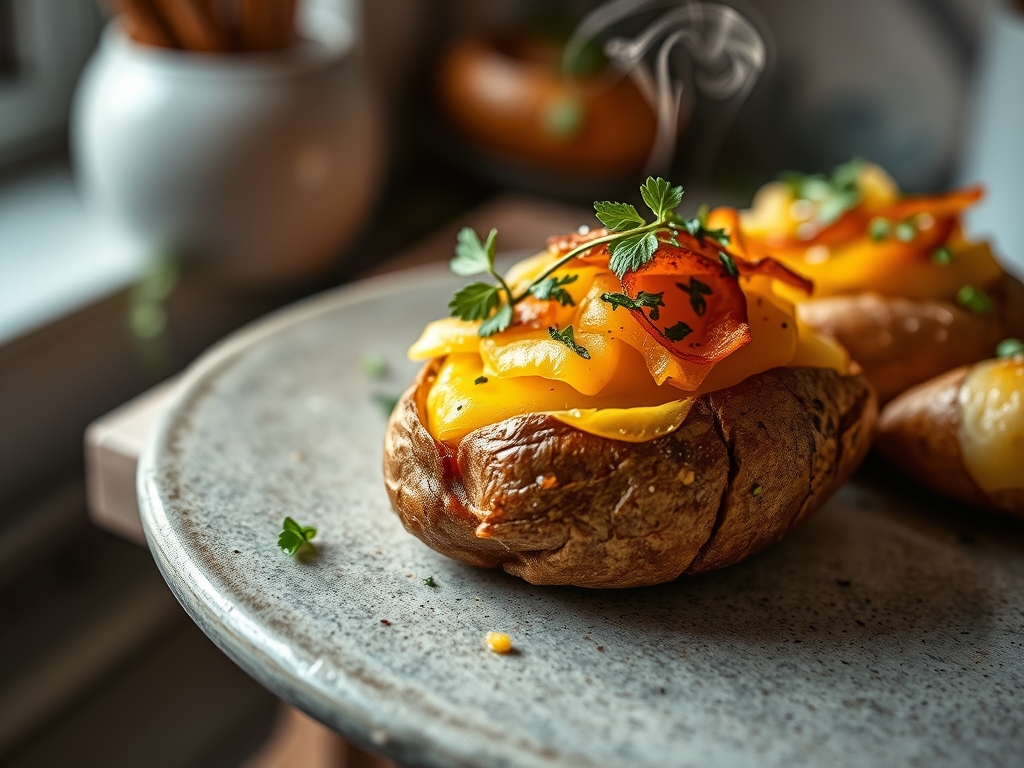
Picture the perfect Idaho Russet. Its skin is a salty, shatter-crisp parchment that yields to a cloud of steaming, ivory starch. While the humble tuber is a pantry staple, mastering different baked potato recipes requires more than just high heat. It demands an understanding of moisture evaporation and cellular structure to transform a dense root into a gourmet canvas.
The magic happens when you stop viewing the potato as a side dish and start treating it as a vessel for complex flavor profiles. Whether you are craving the piquant kick of a fermented kimchi topping or the silky richness of a brown butter emulsion; the possibilities are endless. We are moving beyond the basic butter-and-chive routine to explore textures that range from aerated mousses to crispy, rendered fats. By the time we finish this deep dive, you will possess the technical prowess to turn a simple starch into a five-star centerpiece that defies expectations.
The Gathers:
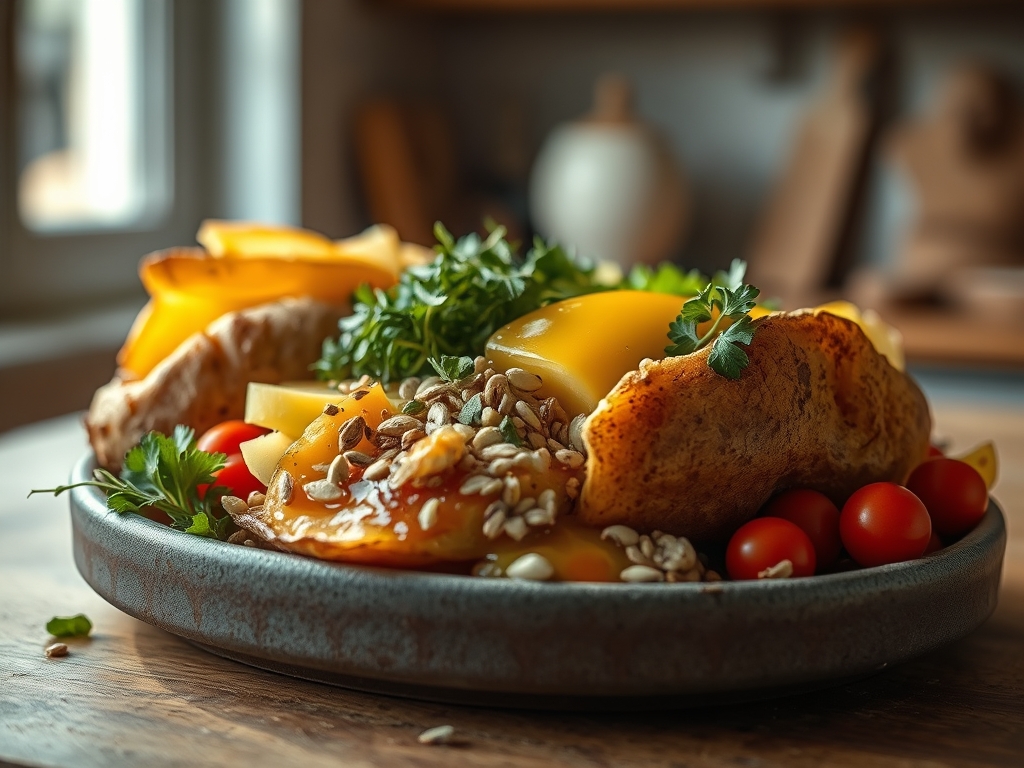
To execute these different baked potato recipes with precision, your mise-en-place must be immaculate. Start with high-starch potatoes like Russets or King Edwards. Their high amylose content ensures a mealy, fluffy interior that absorbs fats more efficiently than waxy varieties. You will need a high-quality sea salt for osmotic moisture extraction and a neutral oil with a high smoke point, such as grapeseed or avocado oil, to facilitate the Maillard reaction on the skin.
For our creative upgrades, gather your professional tools. A microplane is essential for zesting citrus or grating hard cheeses like Pecorino Romano into a fine snow. A saucier will help you render pancetta or infuse heavy cream with aromatics without scorching. If you are aiming for a silky texture, a potato ricer is non-negotiable; it aerates the starch without overworking the gluten-like proteins that cause gumminess.
Smart Substitutions: If you are avoiding dairy, swap traditional sour cream for a cashew-based crema blended with a splash of apple cider vinegar for that necessary lactic tang. For a lower-sodium profile, use nutritional yeast to provide a savory, umami-rich depth that mimics the flavor of aged cheddar.
The Clock
Efficiency in the kitchen is all about the "Chef's Flow." Expect a total prep time of 15 minutes and a bake time of 60 to 75 minutes depending on the size of your tubers. The flow begins with the oven preheating to 425 degrees Fahrenheit. While the potatoes undergo their initial thermal transformation, you utilize that hour to prepare your cold garnishes and hot infusions.
By the time the potatoes reach an internal temperature of 210 degrees Fahrenheit, your toppings should be staged and ready. This synchronization ensures that the potato is served at its peak thermal energy, allowing the steam to escape immediately upon slicing. This prevents the interior from becoming waterlogged as it cools.
The Masterclass
1. The Surface Preparation
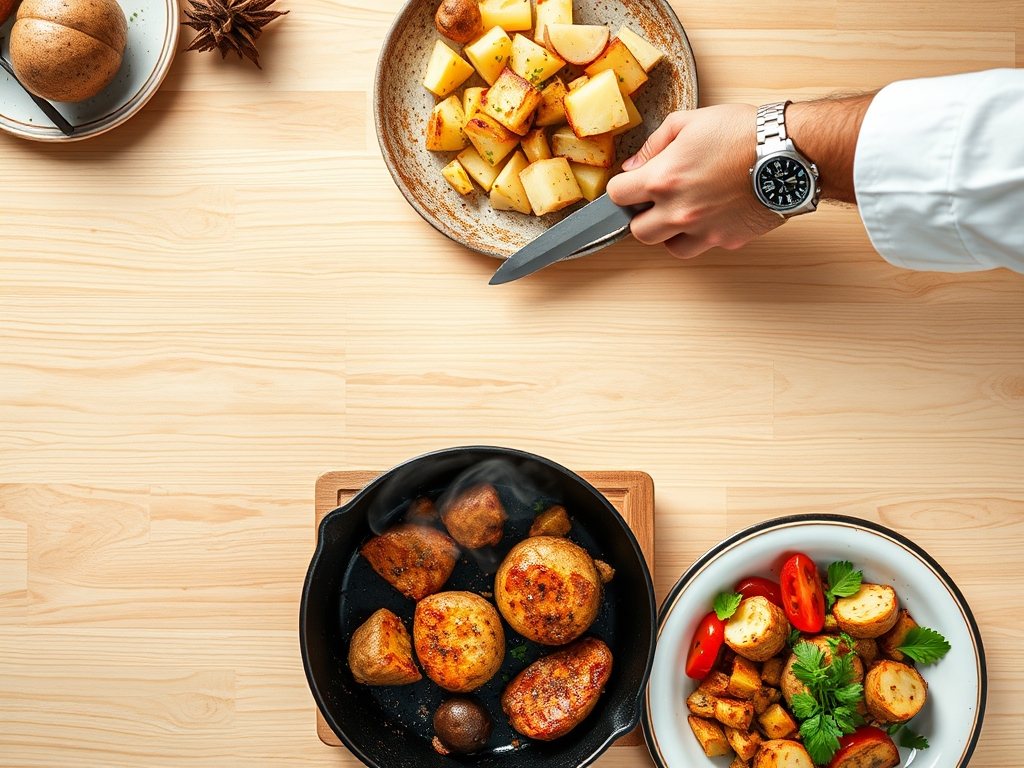
Scrub your potatoes under cold water to remove debris and pat them bone-dry with a lint-free towel. Use a fork to prick the skin in six to eight places to create vents for steam. Rub the exterior with a thin layer of oil and a generous coating of salt.
Pro Tip: Pricking the skin prevents the build-up of internal pressure. If steam cannot escape, the potato can develop a dense, gummy layer just beneath the skin known as "water-core." This venting ensures a dry, fluffy crumb.
2. The High-Heat Roast
Place the potatoes directly on the oven rack to allow for 360-degree air circulation. Bake at 425 degrees Fahrenheit until the skin feels like thin glass when tapped with tongs. Use a digital scale or thermometer to check for an internal temperature of 205 to 212 degrees Fahrenheit.
Pro Tip: Roasting directly on the rack maximizes the surface area exposed to dry heat. This accelerates the evaporation of surface moisture, which is the primary catalyst for a crisp, crackling exterior through the Maillard reaction.
3. The Vertical Split and Fluff
Immediately upon removal, use a bench scraper or sharp knife to slice a deep longitudinal line down the center. Use a clean towel to squeeze the ends toward the middle, forcing the interior to bloom upward. Use a fork to vigorously fluff the starch.
Pro Tip: This step utilizes thermal carryover. By fluffing while the potato is at its hottest, you release the maximum amount of steam. If you wait even three minutes, that steam re-condenses into liquid water, resulting in a heavy, soggy texture.
4. The Fat Infusion
While the potato is still steaming, add your primary fat source. This could be a compound butter, a dollop of duck fat, or a swirl of extra virgin olive oil. Fold the fat gently into the fluffed starch until it is fully incorporated.
Pro Tip: This process creates a temporary emulsion. The hot starch granules absorb the liquid fats, which coats the individual cells and prevents them from sticking together. This results in the "velvety" mouthfeel characteristic of high-end different baked potato recipes.
5. The Umami Layering
Add your "heavy" toppings first, such as braised short ribs, crispy lardons, or sautéed mushrooms. Follow with your cheese of choice, allowing the residual heat to melt it into the crevices of the potato.
Pro Tip: Layering by density ensures structural integrity. Heavier ingredients provide a stable base, while the melting cheese acts as a "glue" to hold the smaller, more delicate garnishes in place.
6. The Acid and Herb Finish
Finish with a bright element to cut through the richness. Use your microplane to shower the potato with lemon zest, or add a drizzle of balsamic glaze. Top with fresh, finely minced chives or micro-greens.
Pro Tip: Acid acts as a flavor enhancer by stimulating the salivary glands. This makes the heavy fats feel lighter on the palate and balances the earthy, savory notes of the potato starch.
7. The Final Seasoning
Give the entire creation a final dusting of flaky sea salt and freshly cracked black pepper. Serve immediately while the temperature gradient between the hot interior and cold toppings is at its widest.
Pro Tip: Freshly cracked pepper contains volatile oils that dissipate quickly when exposed to heat. Adding it at the very last second ensures the most pungent, aromatic experience for the diner.
The Deep Dive
From a macro nutrition perspective, a medium potato provides roughly 160 calories, mostly from complex carbohydrates, along with 4 grams of fiber and more potassium than a banana. To make this keto-friendly, replace the potato with a roasted head of cauliflower or a hollowed-out zucchini. For vegan adaptations, use silken tofu blended with lemon and salt as a high-protein "sour cream" alternative.
The Fix-It:
- Soggy Skin: This usually happens if you wrap the potato in foil. Foil traps steam, which poaches the skin instead of roasting it. Fix: Always bake naked on the rack.
- Grey Interior: This is caused by enzymatic browning or a reaction to metal. Fix: Use a stainless steel knife and serve immediately after cutting.
- Bland Flavor: Starch requires significant seasoning. Fix: Salt the skin before baking and salt the interior fluff before adding toppings.
Meal Prep: To reheat a baked potato and maintain "day-one" quality, avoid the microwave. The microwave agitates water molecules, making the starch chewy. Instead, use an air fryer at 350 degrees Fahrenheit for 10 minutes to re-crisp the skin while gently warming the center.
The Wrap-Up
Mastering different baked potato recipes is a journey through the science of starch and the art of layering. By controlling moisture and utilizing high-quality fats, you transform a humble root vegetable into a culinary masterpiece. Don't be afraid to experiment with bold, piquant flavors or unconventional textures. Your kitchen is your laboratory; go forth and create something spectacular!
The Kitchen Table
What is the best potato for baking?
Russet potatoes are the gold standard for baking. Their high starch and low moisture content result in a light, mealy texture that is perfect for absorbing butter and toppings without becoming heavy or waxy.
Should I wrap my potato in foil?
No, avoid foil at all costs. Wrapping a potato in foil traps steam, which results in a wet, boiled texture and soft skin. For a crispy, salty exterior, bake the potato directly on the oven rack.
How do I know when the potato is done?
The most accurate method is using a digital thermometer to check for an internal temperature of 205 to 212 degrees Fahrenheit. Visually, the skin should be wrinkled and feel crisp when squeezed with tongs.
Why is my baked potato gummy?
Gumminess occurs when the potato is over-handled or when steam is trapped inside. Always fluff the interior immediately after slicing to release moisture, and avoid over-mixing the starch when adding your fats or toppings.