
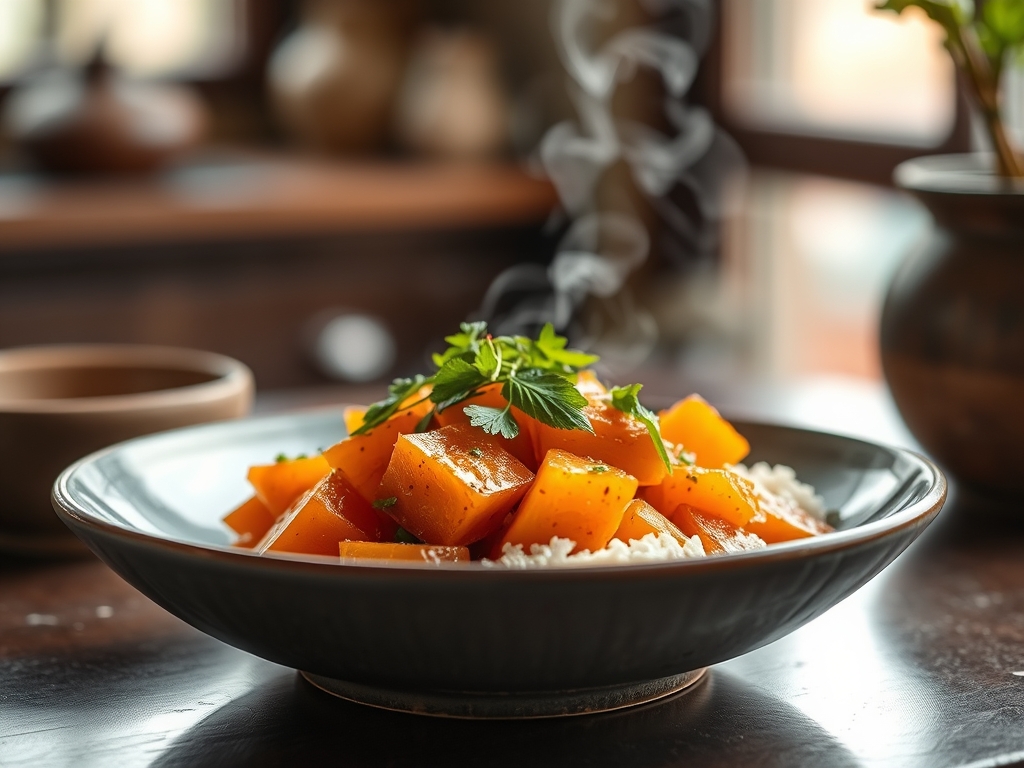
Picture this: it is a biting January afternoon in Shanghai, and the air is thick with the scent of roasted sugar and charred wood. You hear the rumble of a street vendor's charcoal drum before you see it. That first bite of a steaming, roasted tuber is the ultimate comfort. Mastering sweet potato recipes chinese style is about more than just starch; it is about manipulating sugars and textures to create something transcendent. We are moving beyond the standard marshmallow topped casserole into a world of crystalline sugar shells, silky fermented soups, and savory stir-fries that will redefine your pantry staples.
Whether you are craving the glass like crunch of Tanghulu inspired glazes or the earthy depth of a purple potato congee, these techniques rely on the delicate balance of heat and moisture. We are going to explore ten distinct ways to prepare this root vegetable, ranging from the iconic Ba Si Di Gua (pulled silk sweet potatoes) to savory steamed buns. Get your apron on; we are about to turn a humble root into a gourmet masterpiece.
The Gathers:
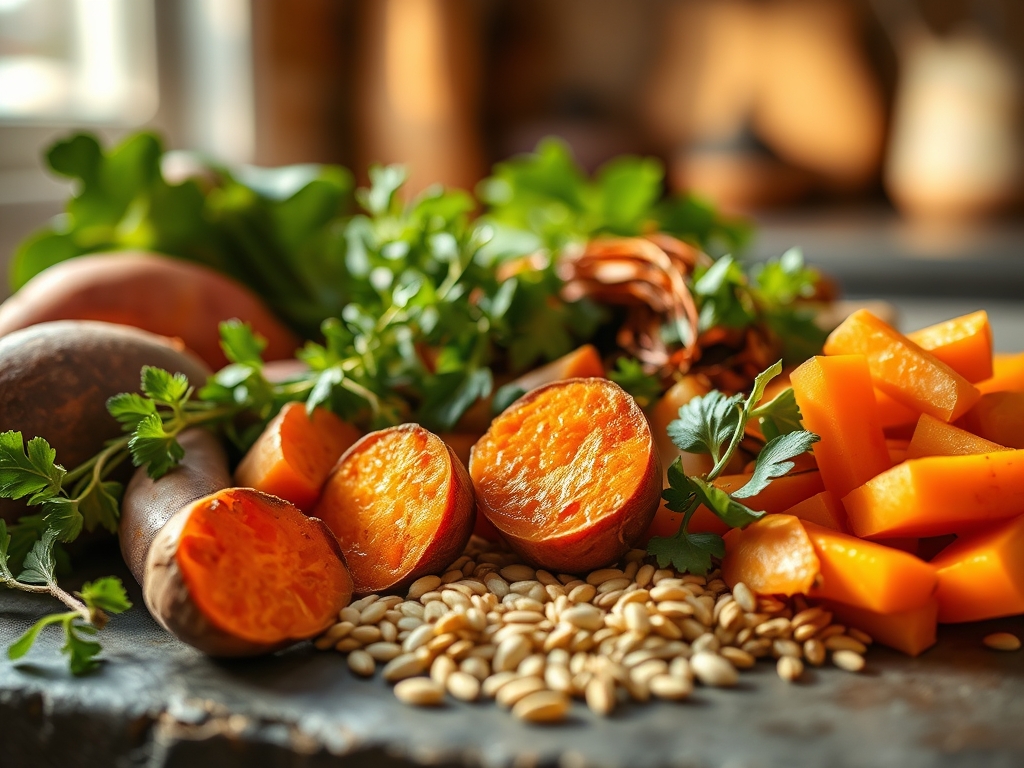
To execute these sweet potato recipes chinese style with precision, your mise-en-place must be impeccable. Start with the star of the show: the tubers. For Chinese cooking, look for Japanese Murasaki (purple skin, white flesh) or the classic garnet varieties. The Murasaki offers a higher starch content and lower moisture, which is essential for achieving a viscous interior that holds its shape during high heat frying.
Gather your aromatics: fresh ginger root, star anise, and cassia bark. You will need a high smoke point oil like peanut or grapeseed to handle the intense heat of a wok. For the sugar work, keep a digital scale handy; precision is the difference between a golden caramel and a bitter, burnt mess.
Smart Substitutions:
If you cannot find rock sugar (bing tang), use granulated white sugar mixed with a teaspoon of honey to mimic that specific glassy sheen. If you are watching your glycemic index, swap the white rice flour in the dumpling recipes for almond flour mixed with xantham gum, though the texture will be less "Q" (bouncy) and more dense. For a piquant edge in savory dishes, fermented bean paste (doubanjiang) can replace simple soy sauce to add umami depth.
The Clock
Efficiency in the kitchen is about the "Chef's Flow." Total active time for most of these dishes ranges from 20 to 45 minutes, but the prep is where the magic happens.
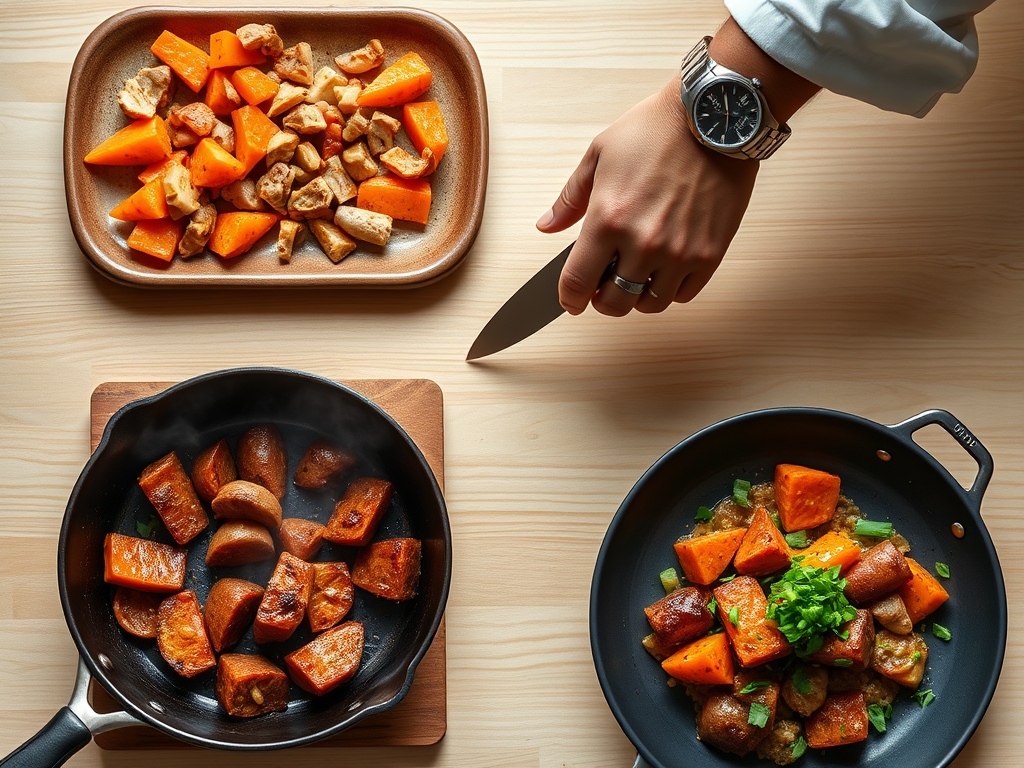
- Prep Phase (15 Minutes): Peel and cube your potatoes. Use a bench scraper to move them into a bowl of cold water immediately. This prevents enzymatic browning and removes excess surface starch.
- The Par-Cook (10 Minutes): Many Chinese recipes involve a two step cooking process. Steaming or par-boiling ensures the center is creamy while the exterior prepares for a sear.
- The High-Heat Finish (10 Minutes): This is the wok stage. Whether you are glazing or stir-frying, this happens fast.
Total Time: Approximately 45 minutes from soil to table.
The Masterclass
1. The Triple Wash and Soak
Submerge your cubed sweet potatoes in ice cold water for at least ten minutes.
Pro Tip: This process removes surface amylose. Reducing surface starch prevents the cubes from sticking to the heavy-bottomed skillet and allows for a more even Maillard reaction during the frying phase.
2. The Steam Infusion
Place the potatoes in a bamboo steamer over boiling water until fork tender but not falling apart.
Pro Tip: Steaming uses moist heat to gelatinize the starch without waterlogging the vegetable. This preserves the natural sugars and prevents the "mush factor" often found in boiled potatoes.
3. The Wok Sear
Heat your wok until a drop of water dances and evaporates instantly. Add oil and sear the par-cooked potatoes.
Pro Tip: This creates a structural crust. The high heat causes thermal carryover, where the internal temperature continues to rise even after the heat source is removed, ensuring a buttery center.
4. The Sugar Crystallization
In a clean saucier, melt rock sugar with a splash of water until it reaches the hard-crack stage (300 degrees Fahrenheit).
Pro Tip: Use a digital scale for the sugar to water ratio. The sugar must reach a specific concentration to form the "silk" threads characteristic of traditional Chinese desserts.
5. The Aeration Fold
For sweet potato cakes, fold mashed tubers into glutinous rice flour gently.
Pro Tip: Do not overwork the dough. Over-manipulation develops too much elasticity, making the final product tough rather than tender and "Q" (bouncy).
6. The Aromatic Infusion
Flash fry ginger and star anise in the oil before adding the vegetables.
Pro Tip: This process allows the essential oils of the spices to infuse the cooking medium, distributing flavor more evenly than adding spices at the end.
7. The Glaze Coating
Toss the fried potatoes into the syrup quickly using tongs to ensure every surface is encapsulated.
Pro Tip: The rapid cooling of the sugar against the hot potato creates a microscopic vapor barrier, keeping the crust crisp for longer.
8. The Savory Deglaze
For stir-fried versions, add a splash of Shaoxing wine to the hot wok.
Pro Tip: This helps to deglaze the pan, lifting the browned bits (fond) and incorporating them into a savory sauce that clings to the potatoes.
9. The Texture Contrast
Top your dishes with toasted sesame seeds or crushed peanuts.
Pro Tip: Adding a dry, crunchy element provides a sensory contrast to the soft, viscous interior of the cooked sweet potato.
10. The Resting Period
Allow the glazed potatoes to sit for two minutes before serving.
Pro Tip: This allows the sugar shell to fully harden. If you move them too soon, the "silk" threads will collapse into a sticky puddle.
The Deep Dive
Macro Nutrition:
Sweet potatoes are a powerhouse of complex carbohydrates and Vitamin A. A standard serving contains roughly 110 calories, 2 grams of protein, and 4 grams of fiber. When prepared using Chinese techniques like steaming or light stir-frying, you maintain a high nutrient density while keeping fats controlled.
Dietary Swaps:
- Vegan: All these recipes are naturally plant based if you use oil instead of lard.
- Keto: Sweet potatoes are high carb, but you can swap them for daikon radish in savory stir-fries for a similar "bite."
- GF: Use tamari instead of soy sauce and stick to rice flour for thickening.
The Fix-It:
- Soggy Potatoes: Your oil wasn't hot enough. Next time, use a thermometer to ensure it hits 350 degrees Fahrenheit.
- Bitter Sugar: You over-caramelized. Remove the sugar from heat the moment it turns amber.
- Sticky Dough: Too much moisture. Add rice flour one tablespoon at a time until the dough no longer clings to your hands.
Meal Prep:
To reheat, avoid the microwave. It turns the starch gummy. Instead, use an air fryer or a dry skillet to re-crisp the exterior and maintain that "day-one" structural integrity.
The Wrap-Up
You are now officially a master of the sweet potato! From the science of starch removal to the art of the sugar pull, you have the tools to turn this humble root into a centerpiece. Remember, the secret is all in the temperature control and the quality of your aromatics. Now, go forth and wok-and-roll; your kitchen is about to smell incredible!
The Kitchen Table
Which sweet potato is best for Chinese recipes?
Japanese Murasaki or purple sweet potatoes are best. Their high starch and low moisture content allow them to hold their shape during high-heat wok frying and provide a creamier, less watery interior texture.
How do I stop my sweet potatoes from turning brown?
Immediately submerge peeled and cut potatoes in a bowl of cold water. This blocks oxygen from reaching the surface enzymes, effectively preventing the oxidation process known as enzymatic browning before you begin cooking.
Can I make these recipes without a wok?
Yes, a heavy-bottomed stainless steel or cast iron skillet works well. The goal is high heat retention to ensure a quick sear and proper caramelization of the natural sugars without the vegetable turning to mush.
Why are my pulled silk potatoes not crunchy?
Your sugar likely did not reach the "hard-crack" stage. Use a candy thermometer to ensure the syrup hits 300 degrees Fahrenheit. If it is too cool, the coating will remain a sticky, soft syrup.