
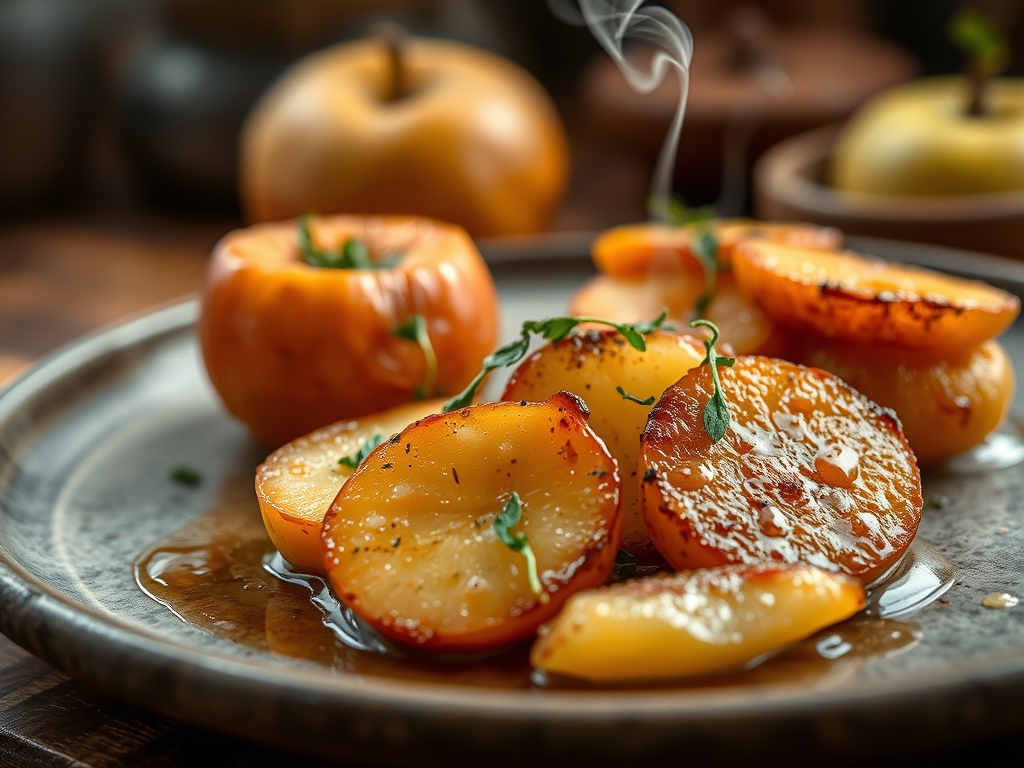
Imagine a heavy-bottomed skillet hissing on the stovetop as the scent of rendered duck fat meets the sharp, floral perfume of a Granny Smith. It sounds like a culinary contradiction, yet apple and potato recipes are the secret handshake of high-end gastronomy. We are marrying the earthy, starchy backbone of the tuber with the bright, malic acidity of the orchard.
This combination works because potatoes provide a neutral canvas of complex carbohydrates while apples offer the piquant contrast needed to cut through heavy fats. Whether you are layering them into a creamy gratin or tossing them in a high-heat roast, this duo balances the palate in a way few other pairings can. We are moving beyond the basic side dish. We are diving into a world where texture is king and the Maillard reaction is our best friend. Grab your apron and your sharpest chef's knife; we are about to transform your kitchen into a laboratory of flavor where sweet meets savory in perfect, golden-brown harmony.
The Gathers:
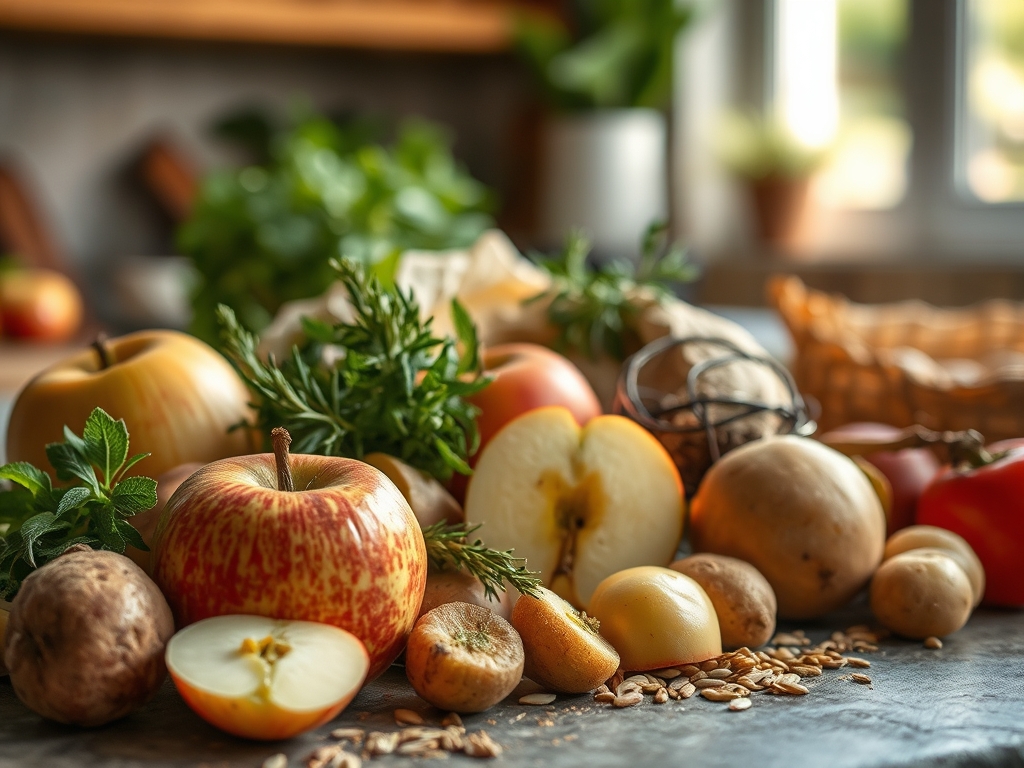
To execute these apple and potato recipes with precision, your mise-en-place must be flawless. Start with your potatoes. For roasting, seek out Yukon Golds for their medium starch content and buttery finish. For mashes or gratins, the high-starch Russet is your go-to for a fluffy, aerated texture. On the fruit side, Granny Smith or Honeycrisp apples are essential because they maintain their structural integrity under high heat.
Your pantry should include a high-quality fat, such as clarified butter or duck fat, which has a higher smoke point than standard butter. You will also need kosher salt for its coarse grain and fresh thyme to infuse an earthy aroma.
Smart Substitutions: If you are looking for a lower glycemic index, swap the Russets for sweet potatoes; their natural sugars will caramelize beautifully alongside the apples. For a vegan profile, replace butter with refined coconut oil, which provides a luscious mouthfeel without a tropical aftertaste. If you lack fresh herbs, a pinch of ground nutmeg can bridge the gap between the sweet and savory elements.
The Clock
Efficiency in the kitchen is about mastering the Chef's Flow. For most of these apple and potato recipes, you are looking at a prep time of 20 minutes and a cook time of 45 to 60 minutes.
The flow begins with your knife work. Use a bench scraper to clear your board as you go, keeping your station clean. Start by prepping the potatoes, as they can sit in a bowl of cold water to prevent oxidation. The apples should be sliced last to minimize enzymatic browning. While the oven preheats, use your heavy-bottomed skillet to render any fats or aromatics. This staggered approach ensures that by the time the oven chime rings, your components are seasoned, seared, and ready for the final roast.
The Masterclass
1. Precision Slicing and Starch Control
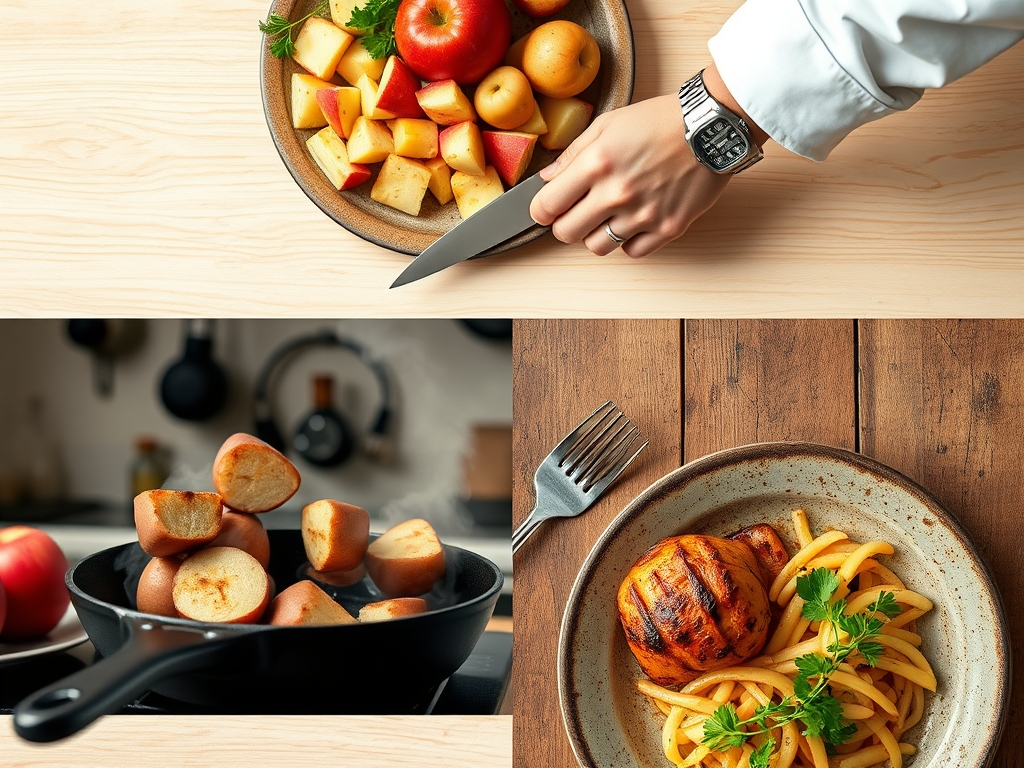
Use a mandoline or a very sharp knife to slice your potatoes and apples into uniform 1/8-inch rounds. If the slices are uneven, they will cook at different rates, leaving you with some mushy pieces and some raw ones. Rinse the potato slices in cold water until the water runs clear to remove excess surface starch.
Pro Tip: Removing surface starch prevents the potatoes from sticking together in a gummy mass, allowing for better heat circulation and a crisper finish. This is the science of surface area management.
2. The Initial Sear and Fat Infusion
Heat your saucier or skillet over medium-high heat. Add your chosen fat and a sprig of thyme. Once the fat is shimmering, add the potatoes first. They require more time to soften than the apples. Toss them using tongs to ensure every slice is coated in a thin, viscous layer of fat.
Pro Tip: This step initiates the Maillard reaction, where amino acids and reducing sugars create that savory, browned crust. Fat acts as a thermal conductor, ensuring even heat distribution across the irregular surfaces of the vegetables.
3. Integrating the Malic Component
Add the apple slices to the pan once the potatoes have begun to turn translucent at the edges. Deglaze the pan with a splash of apple cider vinegar or dry white wine. Use a wooden spoon to scrape up the fond (the brown bits) from the bottom of the pan.
Pro Tip: The acidity in the vinegar or wine helps balance the pH levels, which prevents the pectin in the apples from breaking down too quickly. This keeps your apple slices tender but firm.
4. The High-Heat Roast
Transfer the mixture to a preheated 400-degree oven. Spread the ingredients in a single layer on a rimmed baking sheet. This is crucial for moisture evaporation. If the pan is crowded, the ingredients will steam rather than roast.
Pro Tip: Use a digital scale to ensure equal weights of apples and potatoes for a balanced flavor profile. The high heat facilitates caramelization, transforming the apple's natural sucrose into complex, nutty flavor compounds.
5. The Final Seasoning and Aeration
Once golden and crisp, remove the pan from the oven. Use a microplane to grate a fresh dusting of Parmesan cheese or lemon zest over the hot mixture. Toss gently to aerate the dish, allowing steam to escape so the textures remain crisp.
Pro Tip: Be mindful of thermal carryover. The internal temperature of the potatoes will continue to rise by 5 to 10 degrees after leaving the oven. Pull them out just before they reach your desired level of softness.
The Deep Dive
When we look at the macro nutrition of apple and potato recipes, we see a powerhouse of potassium, Vitamin C, and dietary fiber. Potatoes provide the complex fuel, while apples add a dose of antioxidants.
Dietary Swaps: For a Keto version, replace the potatoes with cauliflower florets, which mimic the texture when roasted. For a Vegan approach, use nutritional yeast instead of cheese to provide that savory "umami" hit. Gluten-Free diners can breathe easy, as this pairing is naturally free of wheat proteins.
The Fix-It:
- Soggy Textures: This usually happens due to overcrowding. The Fix: Split the batch across two baking sheets to allow for proper airflow.
- Burned Apples: Apples have more sugar and burn faster than potatoes. The Fix: Cut your apple slices slightly thicker than your potato slices so they finish cooking at the same time.
- Bland Flavor: Potatoes absorb a massive amount of salt. The Fix: Season in layers. Salt the water, salt the sear, and finish with a flaky sea salt.
Meal Prep: To reheat, avoid the microwave, which turns the starches rubbery. Instead, use an air fryer or a hot oven for five minutes. This flashes the surface moisture away, restoring the "day-one" crispness through rapid convection.
The Wrap-Up
Mastering apple and potato recipes is about more than just a side dish; it is about understanding how acidity, starch, and heat interact to create something greater than the sum of its parts. By using professional tools like a mandoline and a heavy-bottomed skillet, and respecting the science of the Maillard reaction, you can turn humble pantry staples into a gourmet experience. Don't be afraid to experiment with different apple varieties or herb infusions. Your kitchen is your playground, and these ingredients are your best collaborators. Now, go forth and roast with confidence!
The Kitchen Table
Can I use any apple for these recipes?
Stick to firm varieties like Granny Smith, Honeycrisp, or Braeburn. Softer apples like McIntosh will turn into applesauce under high heat, ruining the textural contrast essential for a successful savory dish.
How do I keep the potatoes from sticking to the pan?
Always start with a hot pan and enough fat. Ensure you have rinsed the excess starch off the potatoes and patted them completely dry with a lint-free towel before they hit the oil.
Is it necessary to peel the apples and potatoes?
Peeling is optional. The skins provide extra fiber and a rustic texture. However, for a refined gratin, peeling ensures a uniform, creamy mouthfeel that allows the sauce to emulsify perfectly with the starches.
What is the best way to store leftovers?
Store in an airtight glass container for up to three days. To maintain texture, reheat in a skillet with a teaspoon of butter to re-crisp the edges, rather than using a microwave.