
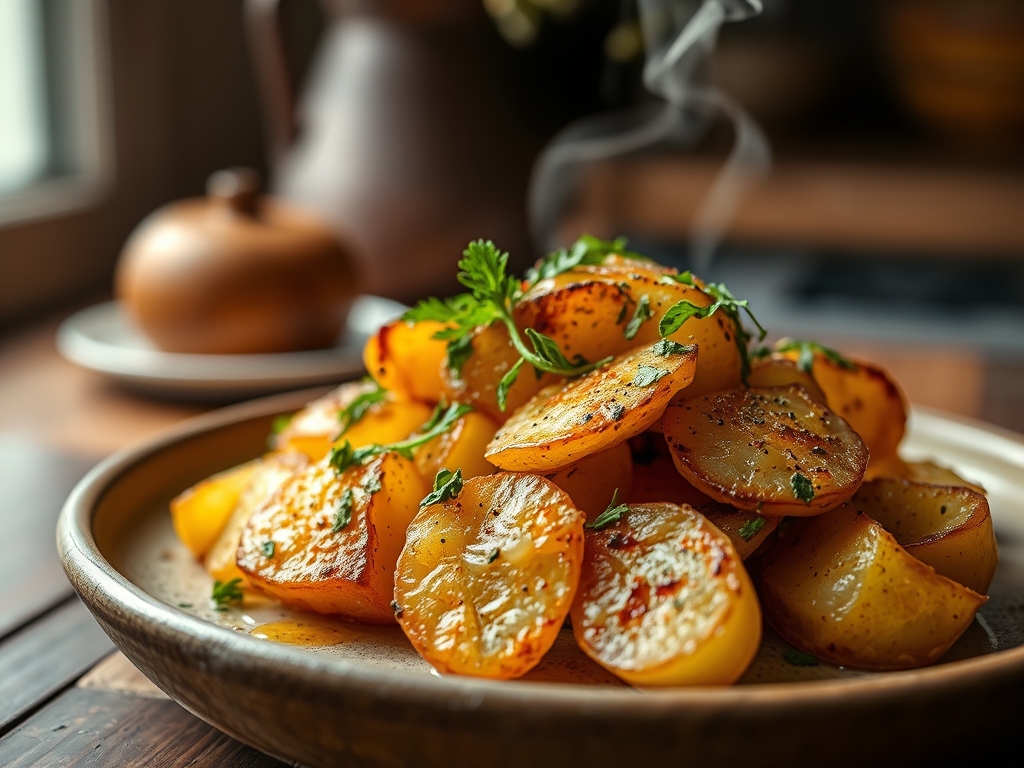
Picture the sound of a knife blade shattering through a crust so thin it rivals tempered glass, only to reveal a center that feels like silk against your tongue. We have all been there; scrolling through social media at midnight, mesmerized by the golden glow of viral potato recipes that promise the ultimate crunch. It is time to stop watching and start engineering.
The humble tuber is a masterpiece of biological architecture, packed with complex starches just waiting to be manipulated by heat and fat. Whether you are chasing the jagged edges of a 15-hour potato or the airy puff of a pomme soufflee, the secret is never just the recipe. It is the physics of moisture evaporation and the chemistry of the Maillard reaction. We are diving into the six most iconic viral potato recipes that actually deliver on their lofty promises. Grab your apron; we are about to turn your kitchen into a high-end laboratory of flavor.
The Gathers:
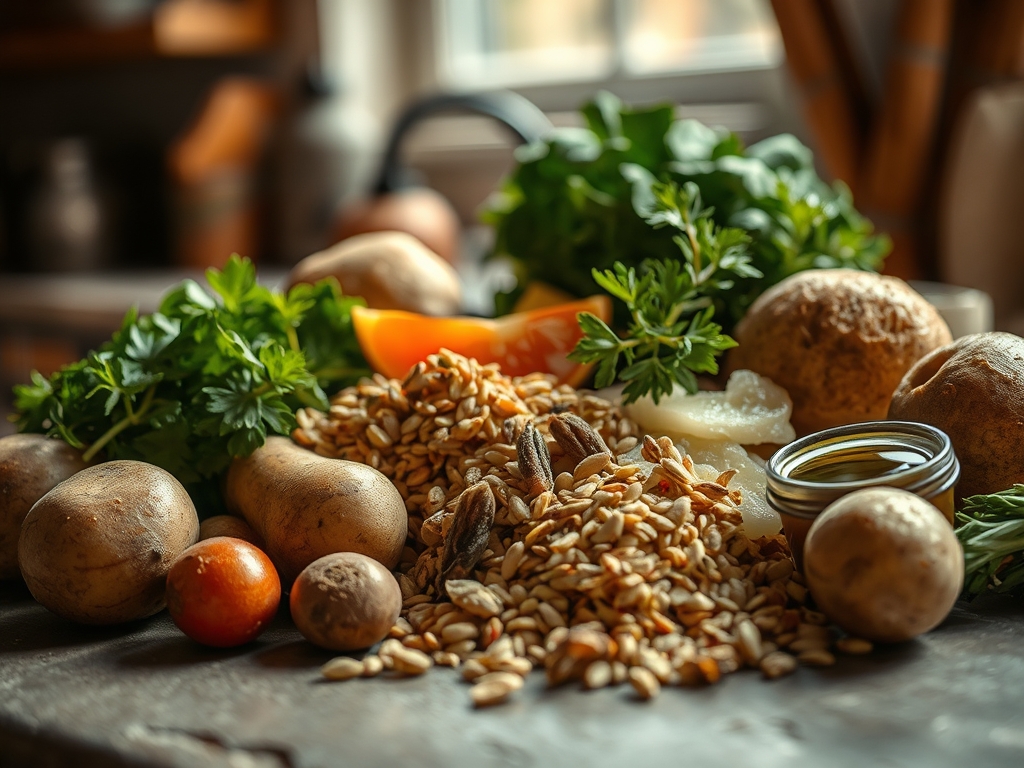
To achieve professional results, your mise-en-place must be precise. Start with high-starch Russets for fluffiness or waxy Yukon Golds for that buttery, viscous mouthfeel. You will need high-quality fats with high smoke points; think duck fat, clarified butter, or cold-pressed avocado oil. For seasoning, do not just reach for table salt. Use flaky sea salt to provide a textural contrast and a piquant pop of salinity.
Smart Substitutions: If you are avoiding animal fats, a refined coconut oil offers the same saturated fat structure required for a crisp exterior without the tropical scent. For a flavor boost, replace standard garlic powder with infused garlic oil to prevent the bitter burn of dehydrated aromatics in high-heat environments.
The Clock
Efficiency in the kitchen is about managing the "Chef's Flow." Total active prep time for these hacks spans about 40 minutes, but the passive time is where the magic happens. Many viral potato recipes require a chilling phase to stabilize starches.
Expect a 20-minute boil to gelatinize the starch, followed by a 45-minute roast or fry. If you are attempting the multi-layered pavé, factor in a 12-hour press in the refrigerator. This compression is not just for aesthetics; it forces out air pockets and creates a dense, uniform structure that fries to a perfect, glass-like finish.
The Masterclass
1. The Ultra-Crispy Smashed Tuber
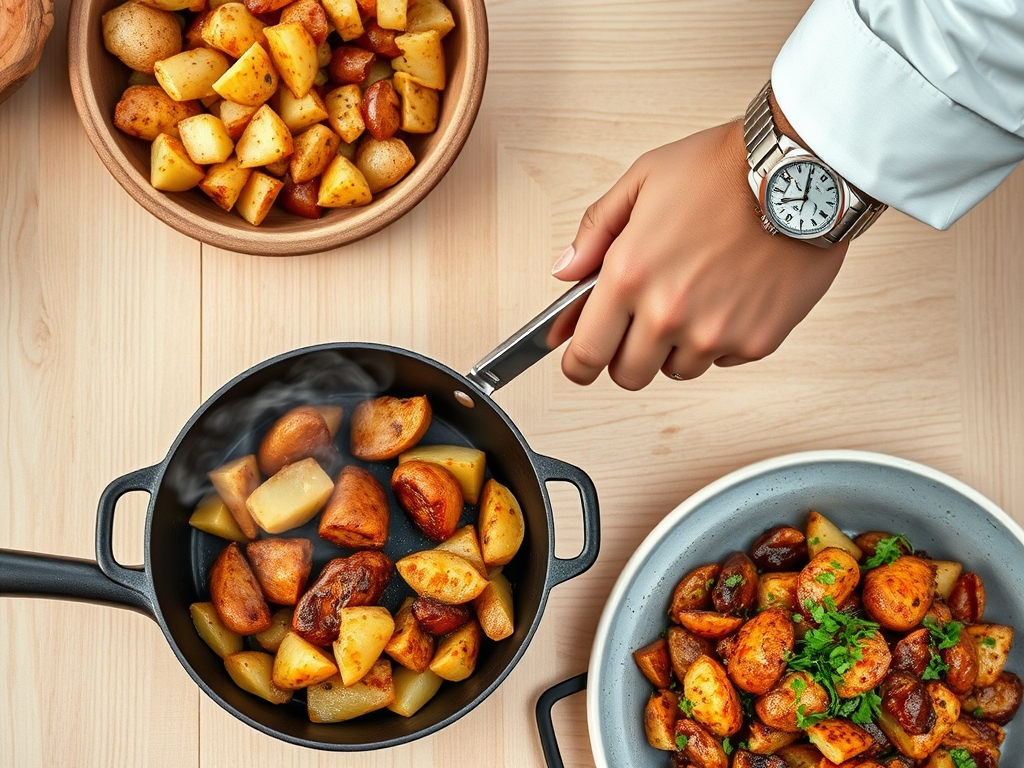
Boil your potatoes in heavily salted water until they are fork-tender. Use a heavy-bottomed skillet or a flat-bottomed glass to crush them gently, increasing the surface area for maximum browning.
Pro Tip: This relies on surface area maximization. By breaking the skin, you expose the interior starches to direct heat, allowing the moisture to escape rapidly and creating more sites for the Maillard reaction to occur.
2. The 15-Hour Pressed Fries
Thinly shave potatoes using a mandoline into a saucier filled with melted butter. Layer them into a parchment-lined tin, bake until tender, then weight them down with heavy cans in the fridge overnight. Square them off with a bench scraper before deep frying.
Pro Tip: This process utilizes starch retrogradation. Cooling the cooked potato causes the starch molecules to realign into a rigid structure, which prevents the fries from falling apart when they hit the hot oil.
3. The Boursin-Infused Whipped Cloud
Peel and cube your potatoes, boiling them until they almost fall apart. Pass them through a fine-mesh ricer or food mill into a bowl. Fold in cold cubes of Boursin cheese and heavy cream using a silicone spatula.
Pro Tip: Never use a blender or food processor. High-speed blades tear the starch granules, releasing amylose and turning your mash into a viscous, gluey mess. A ricer keeps the granules intact for a light, aerated texture.
4. The Parmesan-Crusted Roasted Half
Score the flat side of a halved potato in a crosshatch pattern. Create a paste of grated parmesan and melted butter on a baking sheet, then press the potatoes face-down into the cheese.
Pro Tip: This hack creates a frico, a cheese crisp that fuses to the potato. The proteins in the cheese undergo thermal carryover cooking even after you remove the pan from the oven, so let them rest for five minutes to ensure the crust fully sets.
5. The Miso-Butter Melting Potato
Thickly slice potatoes into rounds and sear them in a heavy-bottomed skillet until a deep crust forms. Flip them, add a broth enriched with miso paste, and transfer the whole pan to the oven to braise.
Pro Tip: The miso adds umami depth while the liquid braise softens the pectin in the cell walls. This creates a texture that is crispy on the edges but literally melts in the center.
6. The Accordion Hasselback
Place a potato between two wooden spoons and slice thin ribbons down to the spoon handles. Brush with herb-infused oil and bake at high heat, basting every fifteen minutes.
Pro Tip: The wooden spoons act as a physical stop to prevent you from cutting all the way through. As the potato heats, the "fans" open up, allowing the fat to render and crisp each individual layer from the inside out.
The Deep Dive
Macro Nutrition: Potatoes are a nutritional powerhouse, offering more potassium than a banana and a solid hit of Vitamin C. While these viral potato recipes lean into fats for texture, the potato itself is naturally fat-free and contains resistant starch, which acts as a prebiotic for gut health.
Dietary Swaps: For a Keto-friendly version, swap potatoes for daikon radish or cauliflower florets, though the starch content will differ. For Vegan diners, use nutritional yeast and truffle oil to mimic the savory depth of parmesan and butter.
The Fix-It:
- Soggy Results: Your oil temperature dropped too low. Always use a digital thermometer to ensure your oil stays between 350 and 375 degrees Fahrenheit.
- Burned Garlic: You added aromatics too early. Infuse your oil first, or add fresh garlic only in the last two minutes of roasting.
- Grey Discoloration: This is enzymatic browning. Keep peeled potatoes submerged in cold water until the moment they are ready to cook to block oxygen exposure.
Meal Prep: To reheat, avoid the microwave at all costs. Use an air fryer or a hot oven at 400 degrees for five minutes. This flashes the surface moisture away, restoring the original crunch without drying out the interior.
The Wrap-Up
Mastering these viral potato recipes is about more than just following a trend; it is about understanding the fundamental relationship between starch, fat, and heat. When you treat the potato with the respect its chemistry deserves, you elevate a pantry staple into a gourmet experience. Whether you are hosting a dinner party or just treating yourself to a midnight snack, these techniques ensure every bite is a textural symphony. Go forth and crisp with confidence.
The Kitchen Table
Which potato is best for frying?
Russet potatoes are the gold standard for frying. Their high starch and low moisture content ensure a light, fluffy interior and a crisp, golden-brown exterior that holds its shape even after cooling.
How do I stop my potatoes from sticking?
Ensure your heavy-bottomed skillet is fully preheated before adding fat. Once the fat is shimmering, add the potatoes and do not move them until a crust has formed. This allows the proteins to release naturally from the pan.
Can I make these recipes ahead of time?
Yes, most viral potato recipes benefit from an overnight chill. You can par-boil or press your potatoes a day in advance. Simply perform the final high-heat roast or fry right before serving for maximum crunch.
Why are my roasted potatoes bitter?
Bitterness usually comes from burnt aromatics like garlic or dried herbs. To prevent this, use a microplane to zest fresh garlic into oil and strain it, or add fresh herbs only after the potatoes have finished roasting.