
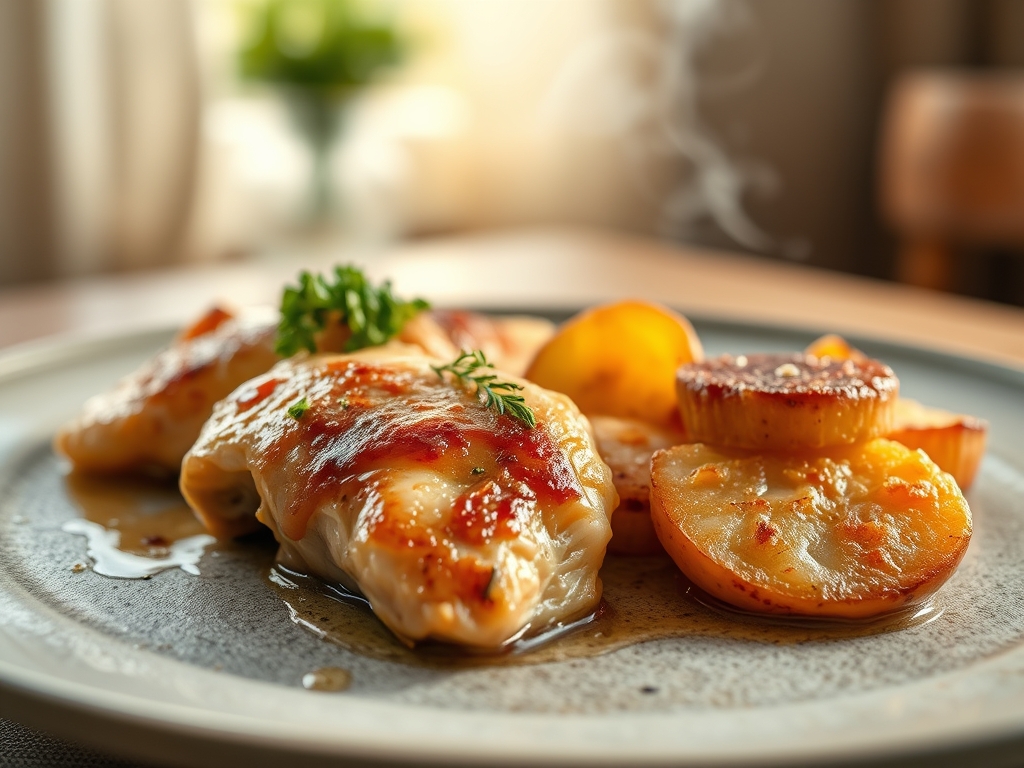
Picture the scene: a sheet pan emerges from the oven, glistening with golden fat and releasing a cloud of rosemary and garlic that fills every corner of your kitchen. We are diving deep into the world of boneless skinless chicken thigh and potato recipes, where the humble dark meat meets the starch of our dreams. This is not just a weeknight dinner; it is a masterclass in texture and flavor. Because we are using thighs, we bypass the dry, fibrous pitfalls of the breast, opting instead for a cut that remains succulent even under intense heat. When you pair that juicy protein with a potato that has absorbed every drop of seasoned schmaltz, you have achieved the ultimate culinary synergy.
We are going to explore ten distinct variations of this classic pairing, ranging from zesty lemon-oregano bakes to smoky harissa roasts. The beauty of these boneless skinless chicken thigh and potato recipes lies in their versatility and forgiveness. Unlike delicate fish or temperamental steaks, this duo thrives on high-heat roasting, allowing the sugars in the potatoes to caramelize while the chicken develops a deep, savory crust. We are talking about maximum flavor with minimum cleanup, all while utilizing professional techniques that ensure every bite is a textural triumph. Grab your favorite heavy-bottomed skillet or a rimmed baking sheet; it is time to turn these pantry staples into a five-star experience.
The Gathers:
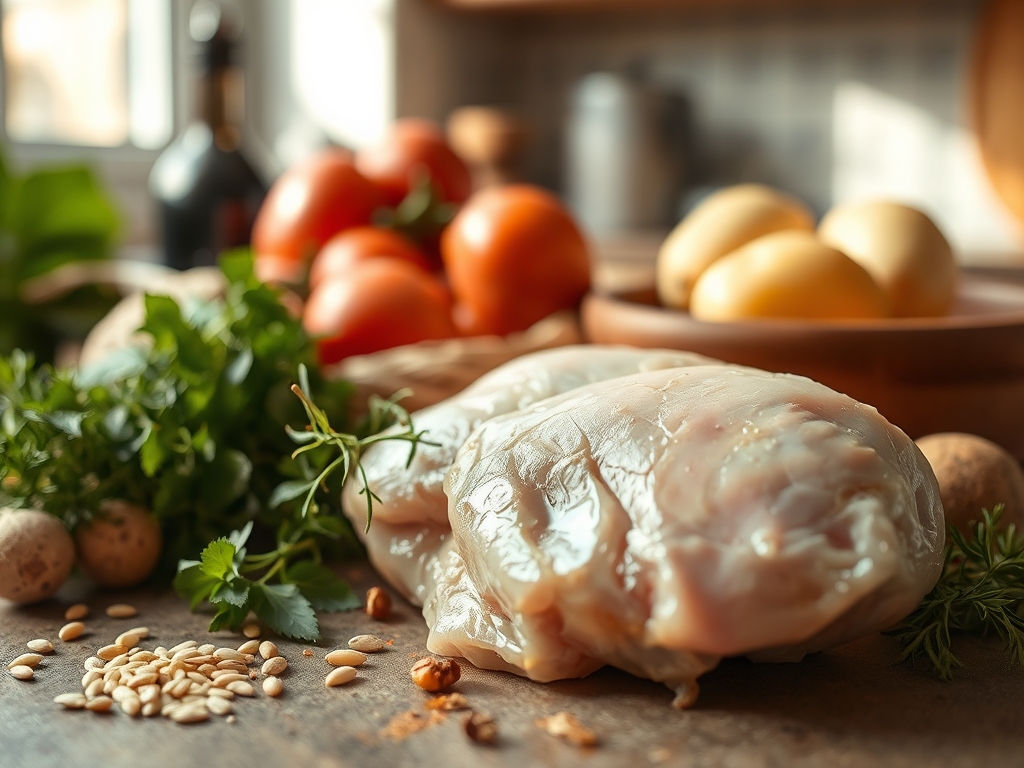
Setting up your mise-en-place is the difference between a frantic kitchen and a flowing one. For our core ingredients, we start with high-quality boneless skinless chicken thighs. Look for meat that is firm and pink; if you have a digital scale, aim for five to six ounces per portion to ensure even cooking. For the potatoes, we prefer the Yukon Gold variety. Their medium starch content provides a creamy interior while the thin skin crisps beautifully without the need for peeling.
You will also need a viscous fat source, such as cold-pressed olive oil or rendered duck fat, to facilitate heat transfer. Aromatics are non-negotiable: fresh garlic cloves, sprigs of woody herbs like thyme or rosemary, and perhaps a piquant hit of lemon zest or red pepper flakes. Use a microplane to zest your citrus directly over the bowl to capture the volatile oils that provide that bright, floral punch.
Smart Substitutions:
If you are out of Yukon Golds, Red Bliss potatoes offer a similar waxy texture that holds its shape. For a lower glycemic index, substitute sweet potatoes, though you should cut them into larger chunks as they soften faster than white varieties. If chicken thighs are unavailable, boneless pork shoulder steaks cut into two-inch cubes offer a similar fat-to-protein ratio. For the acid, apple cider vinegar or a dry white wine can stand in for lemon juice to deglaze the pan and balance the richness of the meat.
The Clock
Efficiency in the kitchen is about managing your "Chef's Flow." The total active preparation time for these recipes is approximately 15 minutes, with a roasting time of 30 to 35 minutes.
The flow begins with the potatoes. Because they are denser than the chicken, they require a head start or a smaller dice to ensure both components finish simultaneously. While the oven preheats to a roaring 425 degrees Fahrenheit, you will prep your aromatics. The chicken requires about 5 minutes of "airtime" after being patted dry to ensure the surface is ready for the Maillard reaction. Total time from fridge to table is roughly 50 minutes, making this a powerhouse for busy schedules.
The Masterclass
1. Prep and Desiccate
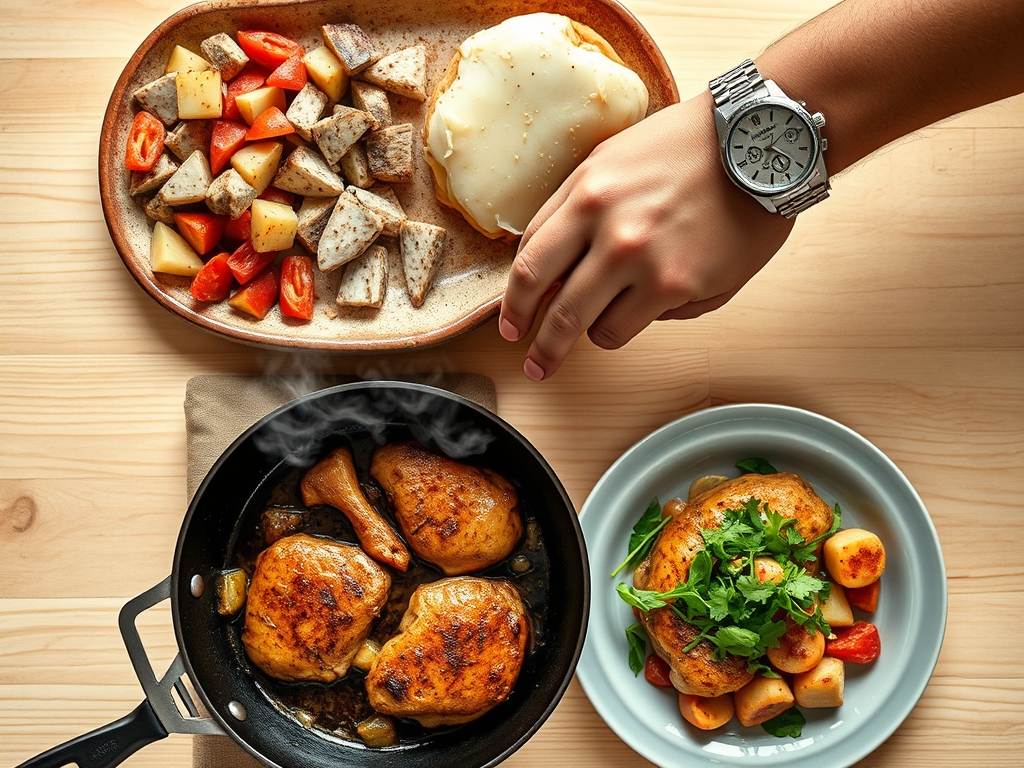
Start by patting your chicken thighs bone-dry with paper towels. Use a bench scraper to clear your workstation as you dice the potatoes into uniform one-inch cubes. Uniformity is the secret to a consistent "mouthfeel" across the entire dish.
Pro Tip: This step utilizes surface desiccation. Removing moisture from the exterior of the meat prevents steaming, allowing the proteins to brown immediately upon contact with heat rather than boiling in their own juices.
2. The Emulsified Coat
In a large stainless steel bowl, whisk together your oil, salt, pepper, and aromatics. Toss the potatoes first to ensure they are fully encapsulated in fat, then add the chicken. Use tongs to massage the marinade into every fold of the thigh meat.
Pro Tip: The oil acts as a surfactant, lowering the surface tension and allowing the salt to penetrate the muscle fibers more deeply through osmosis, which seasons the meat from the inside out.
3. The High-Heat Roast
Spread the mixture onto a preheated heavy-bottomed sheet pan. Ensure there is at least a half-inch of space between each piece of chicken and potato. If you crowd the pan, you will lower the temperature of the metal and cause the ingredients to stew.
Pro Tip: Preheating the pan initiates conduction heating immediately. This creates a "sear" on the bottom of the potatoes, ensuring they don't stick and developing a crisp crust through enzymatic browning.
4. The Mid-Point Agitation
Halfway through the cooking process, use a wide metal spatula to flip the potatoes and rotate the chicken. This is the moment to add any delicate herbs or garlic slivers that might have burned if added at the start.
Pro Tip: Rotating the pan accounts for oven hotspots. Most home ovens have uneven heat distribution; moving the food ensures that the radiant heat hits every surface area for an even, golden finish.
5. The Carryover Rest
Once the chicken reaches an internal temperature of 165 degrees Fahrenheit on a digital thermometer, remove the pan from the oven. Transfer the meat to a warm plate and let it rest for five minutes before serving.
Pro Tip: This allows for thermal carryover. During the rest, the muscle fibers relax and reabsorb the internal juices. If you cut into the chicken immediately, the liquid would run out, leaving the meat dry and lackluster.
The Deep Dive
When we look at the macro nutrition, this dish is a balanced powerhouse. A standard serving provides roughly 35 grams of protein and 30 grams of complex carbohydrates. To keep it Keto-friendly, swap the potatoes for cauliflower florets or radishes, which take on a surprisingly potato-like texture when roasted. For a vegan twist, replace the chicken with thick-cut "steaks" of cauliflower or extra-firm tofu that has been pressed to remove excess water.
The Fix-It:
- Soggy Potatoes: This happens when the pan is overcrowded. Fix it by spreading the ingredients across two pans or using a wire rack to increase airflow.
- Burnt Garlic: If your garlic turns bitter, you likely added it too early. Next time, add minced garlic during the last 10 minutes of roasting or use whole, unpeeled cloves for a mellow, roasted flavor.
- Tough Chicken: While thighs are hard to overcook, they can become "rubbery" if the oven temperature is too low. Ensure your oven is truly at 425 degrees Fahrenheit using an external thermometer.
Meal Prep Science:
To maintain "day-one" quality, store the chicken and potatoes in airtight glass containers. When reheating, avoid the microwave if possible, as it can make the potato skins leathery. Instead, use a toaster oven or a saucier over medium heat with a splash of water to steam-heat the meat while keeping the potatoes crisp.
The Wrap-Up
Mastering boneless skinless chicken thigh and potato recipes is like having a secret weapon in your culinary arsenal. It is the perfect marriage of science and soul, proving that you do not need expensive ingredients to create a meal that feels luxurious. By focusing on moisture control, heat management, and the right tools, you have transformed a simple tray of food into a textured, flavorful triumph. Now, go forth and roast with confidence; your kitchen is your laboratory, and dinner is the ultimate reward.
The Kitchen Table
Can I use frozen chicken for this recipe?
Yes, but you must thaw it completely and pat it dry first. Frozen chicken releases excess moisture as it thaws, which will steam your potatoes and prevent them from getting crispy. Always prioritize a dry surface for the best browning results.
What is the best potato for roasting?
Yukon Gold potatoes are the gold standard. They possess a buttery flavor and a medium starch content, allowing them to develop a crisp exterior while maintaining a creamy, mashed-potato-like interior that absorbs the savory chicken juices perfectly during the roasting process.
How do I prevent the chicken from sticking?
Ensure your roasting pan is preheated and well-greased with a high-smoke-point fat. Avoid moving the chicken for the first 15 minutes; once the proteins have properly seared and caramelized, they will naturally "release" from the surface of the pan.
Can I add vegetables like broccoli to the pan?
Absolutely, but timing is key. Hearty vegetables like carrots can go in at the start, but delicate greens like broccoli or asparagus should only be added during the last 10 to 12 minutes to prevent them from becoming mushy or burnt.