
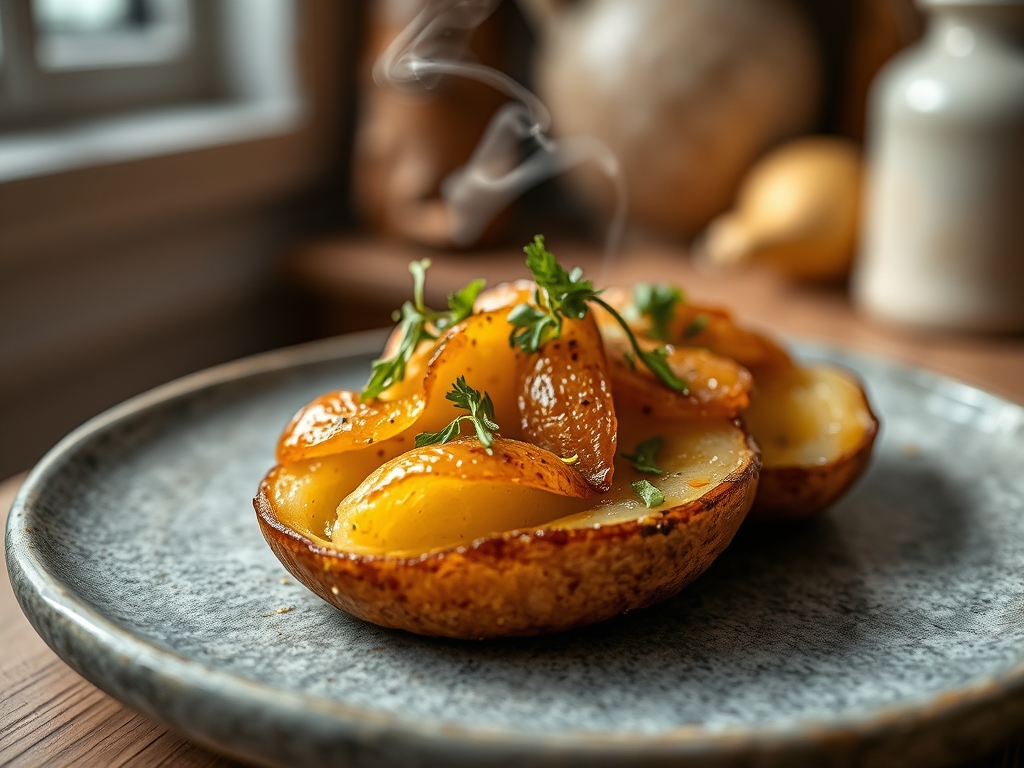
Picture a golden, craggy surface shattering under your fork to reveal a cloud of steam that smells like pure comfort. We often treat the humble spud as a dietary villain, but when you master the chemistry of the tuber, you unlock a world of high-volume, low-point satisfaction. These ww potato recipes prove that you can achieve that elusive crunch and creamy interior without the heavy fats of a traditional deep fryer.
The secret lies in managing moisture and starch. When we talk about healthy eating, we often sacrifice texture, but by leveraging the Maillard reaction, we can create complex, savory flavors using nothing more than heat and a light mist of high-smoke-point oil. We are going to transform the basic potato into nine distinct masterpieces that fit perfectly within your points budget while satisfying every primal craving for starch. From zesty lemon-herb wedges to velvet-textured mash, we are redefining what it means to eat well.
The Gathers:
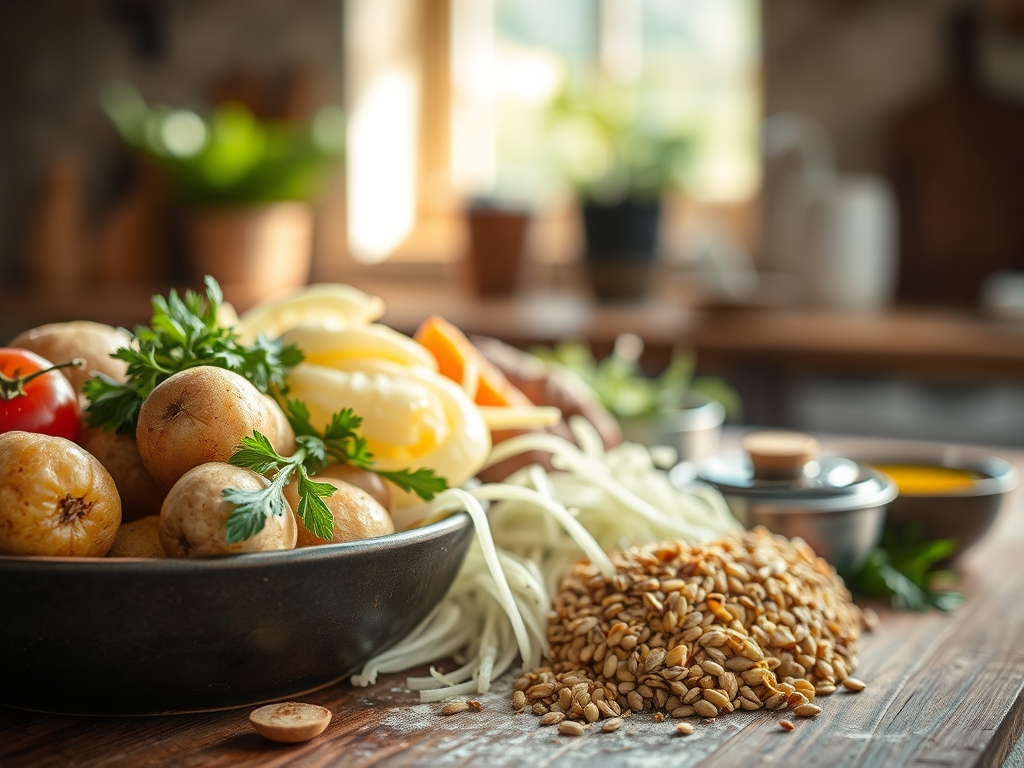
To begin our culinary journey, we must assemble a mise-en-place that respects both flavor and nutrition. Your primary subject is the potato itself; I recommend keeping a mix of waxy Red Bliss for salads and starchy Russets for roasting. You will also need a high-quality digital scale to ensure your portions are precise. For aromatics, gather fresh rosemary, thyme, and a bulb of garlic. The oils should be kept in a mister to control distribution.
Smart Substitutions are your best friend here. Instead of heavy cream, we use non-fat Greek yogurt to provide a viscous, tangy body to our mashes. To replicate the salty punch of parmesan for fewer points, use a microplane to dust your dishes with nutritional yeast or a very small amount of aged Pecorino Romano. For acidity, keep white balsamic and fresh lemons on hand to brighten the earthy notes of the tubers.
The Clock
Efficiency in the kitchen is about the Chef's Flow, which is the art of overlapping tasks to minimize downtime. For these nine variations, your active prep time will generally hover around 15 minutes, while roasting or boiling takes between 25 and 45 minutes. The key is to utilize the "soak and prep" method. While your sliced potatoes soak in cold water to remove excess surface starch, you can mince your herbs and calibrate your oven.
Always preheat your heavy-bottomed skillet or roasting pan. A cold pan is the enemy of a crispy exterior; it leads to sticking and uneven browning. By the time your potatoes are drained and patted bone-dry, your cooking surface should be radiating heat. This synchronization ensures that a full week of meal-prepped sides can be completed in under an hour of total kitchen time.
The Masterclass
1. The Precision Slice
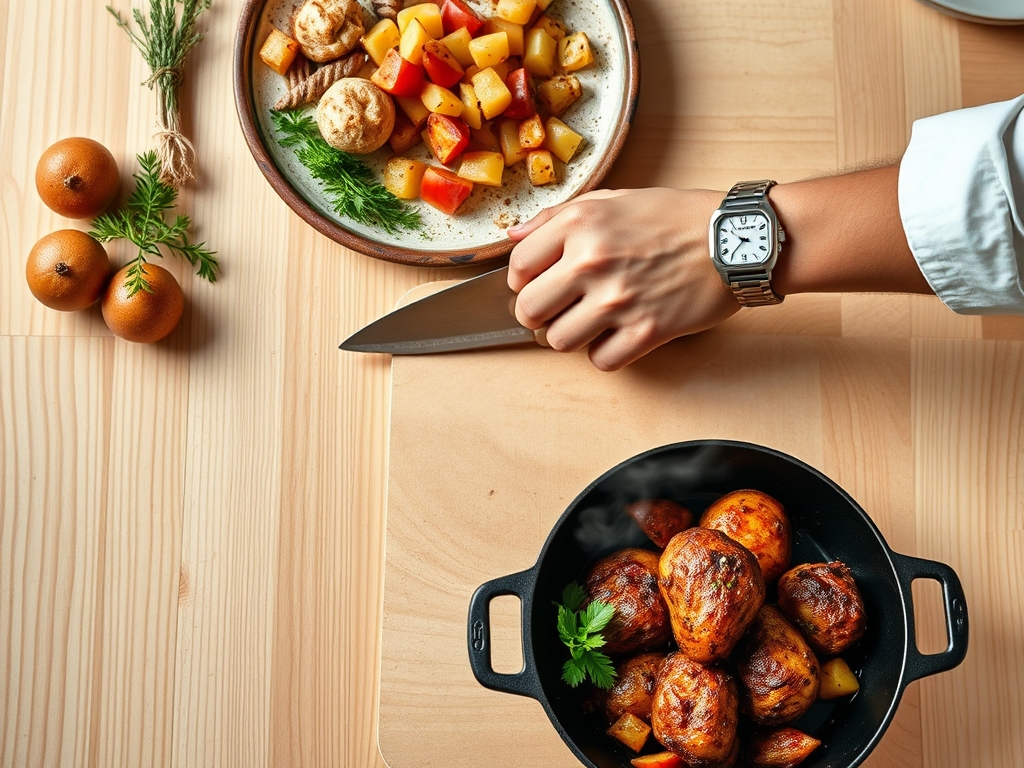
Use a sharp chef knife or a mandoline to cut your potatoes into uniform shapes. Uniformity is not just for aesthetics; it ensures that every piece finishes cooking at the exact same moment, preventing the tragedy of some pieces being burnt while others remain raw.
Pro Tip: This step prevents enzymatic browning. By placing cut potatoes immediately into cold water, you inhibit the polyphenol oxidase reaction that turns the flesh gray when exposed to oxygen.
2. The Starch Purge
Soak your cut potatoes for at least ten minutes. You will notice the water becoming cloudy. This is the excess amylose being released from the cell walls. After soaking, rinse them until the water runs clear and dry them thoroughly with a lint-free towel.
Pro Tip: Removing surface starch is the only way to achieve a true "crunch." If the surface is starchy and wet, it will steam rather than sear, resulting in a gummy texture.
3. The Parboil Technique
For the ultimate roasted potato, boil your pieces in salted water for about five to seven minutes before roasting. You want the edges to be slightly soft but the center to remain firm. Drain them and give the pot a gentle shake to roughen up the edges.
Pro Tip: This creates a "slurry" on the surface of the potato. When roasted, this dehydrated starch layer transforms into a thick, glass-like crust through dehydration synthesis.
4. The Aerated Mash
When making a low-point mash, use a potato ricer instead of a masher. Pressing the cooked potato through tiny holes incorporates air and prevents the overworking of the starches. Fold in your Greek yogurt and a splash of vegetable stock using a saucier for gentle heating.
Pro Tip: Over-mixing potatoes develops the gluten-like structures of the starch, turning your mash into a "gluey" paste. Aerate the mixture to keep it light and fluffy.
5. The Infusion Stage
While your potatoes are hot, toss them with your dry spices and aromatics. The residual heat will infuse the oils in the herbs, releasing their volatile compounds and coating every crevice of the potato with flavor without needing extra fat.
Pro Tip: This utilizes thermal carryover. The internal heat of the potato continues to cook the herbs gently, preventing the bitter taste that comes from burning delicate dried spices in a high-heat oven.
The Deep Dive
From a macro perspective, potatoes are nutritional powerhouses. A medium potato provides a significant dose of Vitamin C and more potassium than a banana. When following ww potato recipes, the goal is to keep the fiber high by leaving the skins on whenever possible. This slows down the digestion of the carbohydrates, providing a more stable energy release.
For dietary swaps, vegans can easily substitute the Greek yogurt with an almond-based unsweetened yogurt or a splash of aquafaba for binding. If you are leaning toward a lower-carb profile, try a "half and half" blend of potatoes and steamed cauliflower. The cauliflower mimics the texture of the potato while significantly lowering the caloric density.
The Fix-It:
- Soggy Fries: This usually happens because the oven was too crowded. Use two pans to allow for airflow.
- Bitter Garlic: If your garlic burns during roasting, add it during the last 10 minutes of cooking rather than the beginning.
- Sticking to the Pan: You likely tried to flip the potatoes too early. Wait for the Maillard reaction to naturally release the food from the surface.
For meal prep, reheating is a science. Avoid the microwave, which turns starch flaccid. Instead, use an air fryer or a dry heavy-bottomed skillet for five minutes to reactivate the crispiness. This ensures "day-one" quality even on a Wednesday lunch break.
The Wrap-Up
You are now equipped with the technical prowess to turn a simple bag of potatoes into a gourmet, health-conscious feast. Remember that cooking is as much about the tools and the science as it is about the ingredients. By controlling starch, managing moisture, and respecting the heat, you can enjoy these ww potato recipes as a regular part of your wellness journey. Now, grab your bench scraper, clear your counters, and go create something delicious. Your kitchen is your laboratory; it is time to experiment with flavor.
The Kitchen Table
Can I make these recipes ahead of time?
Yes. You can parboil and store potatoes in the fridge for up to three days. When ready to eat, simply roast them at high heat. This actually increases resistant starch, which is great for gut health and digestion.
What is the best potato for roasting?
Yukon Gold is the gold standard. They possess a naturally buttery flavor and a medium starch content. This allows them to maintain their structural integrity while still achieving a creamy interior and a crisp, golden-brown exterior during the roasting process.
How do I get crispy potatoes without oil?
Use an egg white wash. Whisk an egg white until frothy and toss your potato wedges in it before seasoning. The proteins in the egg white harden in the oven, creating a satisfyingly crisp shell without the added points of oil.
Why do my potatoes turn brown before cooking?
This is oxidation. When the inside of a potato hits the air, it reacts. To stop this, keep your peeled or cut potatoes submerged in a bowl of cold water with a squeeze of lemon juice until you are ready to cook.