
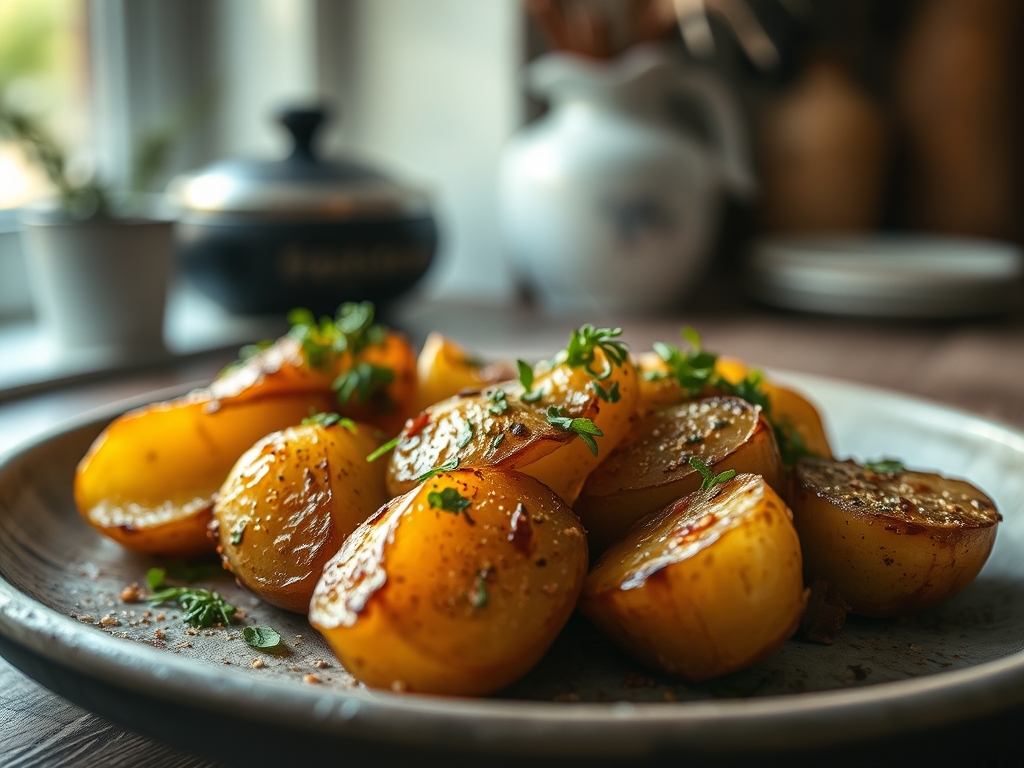
Picture a sun-drenched backyard where the air smells of charcoal and woodsmoke. You arrive with a heavy, ceramic dish tucked under your arm; it is the star of the show. When we talk about potluck potato recipes, we are looking for that perfect intersection of comfort and technical brilliance. Everyone loves a potato, but not everyone understands the structural integrity required to survive a two-hour buffet line. We are aiming for textures that range from velvety silk to glass-like crunch. Whether you are craving a sharp, vinegar-based German salad or a decadent, cheese-laden gratin, the goal is a dish that stays vibrant from the first scoop to the very last scrape of the spoon.
The Gathers:
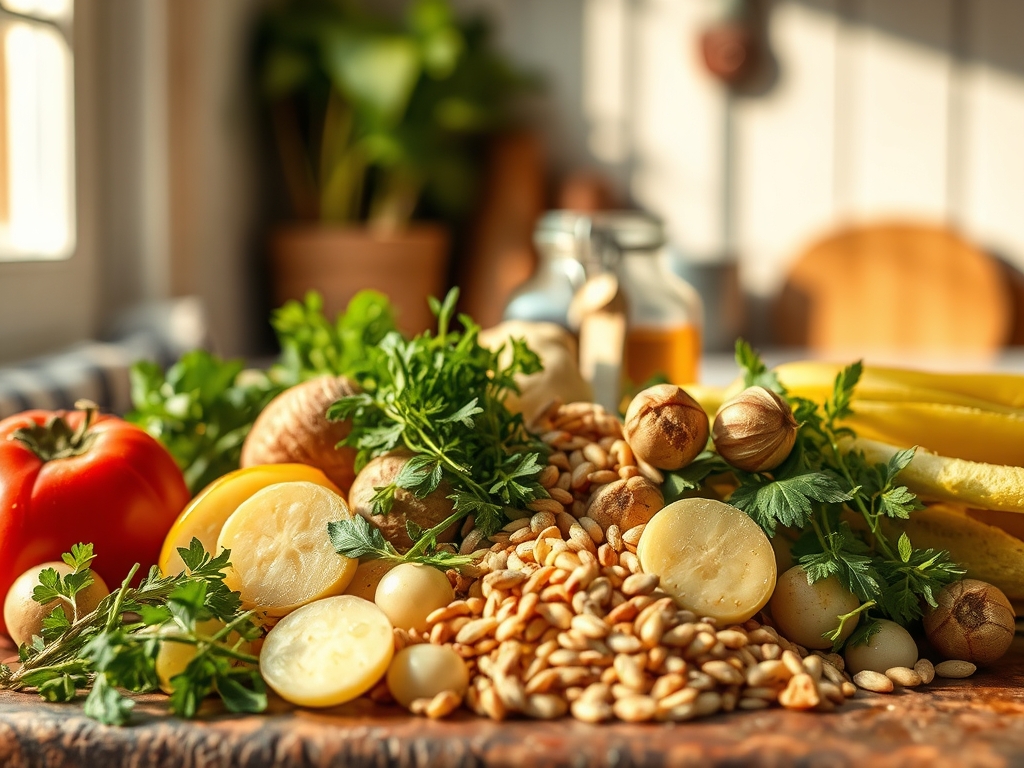
To master these potluck potato recipes, your mise-en-place must be precise. Start with your starch selection. Use high-starch Russets for fluffiness or waxy Yukon Golds for a creamy, hold-together bite. You will need high-quality fats like grass-fed butter or a neutral oil with a high smoke point. For aromatics, gather fresh chives, garlic cloves, and shallots. Use a microplane to zest lemons or grate hard cheeses like Parmigiano-Reggiano for an umami punch.
Smart Substitutions: If you find yourself without heavy cream, a full-fat Greek yogurt adds a piquant tang and keeps the texture viscous. No fresh herbs? Use half the amount of dried herbs, but bloom them in warm oil first to release their volatile compounds. If you need a vegan swap, nutritional yeast provides that savory, nutty depth usually reserved for dairy. Always use a digital scale for your dry ingredients; precision is the difference between a soggy mess and a structural masterpiece.
The Clock
Efficiency in the kitchen is about the Chef's Flow. For these recipes, expect a total prep time of 30 minutes and a cook time ranging from 45 to 60 minutes. The secret is overlapping your tasks. While your potatoes are undergoing gelatinization in boiling water, you should be using a saucier to infuse your cream or whisking your vinaigrette.
Most potluck potato recipes benefit from a rest period. Factor in 15 minutes of "carryover time" where the internal temperature stabilizes. This prevents the dish from weeping excess moisture when it is sliced. If you are transport-bound, calculate an extra 10 minutes for venting; trapping steam is the fastest way to turn a crispy crust into a limp disappointment.
The Masterclass
1. Parboil for Structural Success
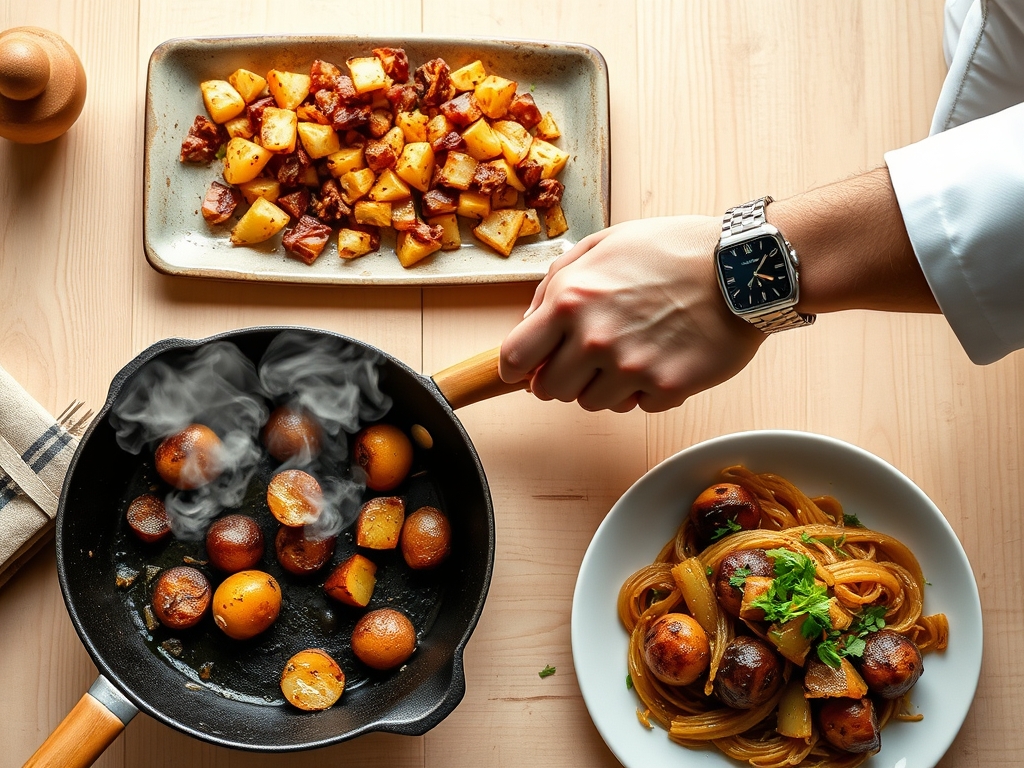
Start by placing your cubed potatoes in cold, salted water. Bring them to a boil slowly. This ensures the exterior does not turn to mush before the center is cooked. Use a bench scraper to move your chopped potatoes cleanly from the board to the pot.
Pro Tip: Adding a teaspoon of baking soda to the water raises the pH level. This breaks down the potato's pectin, creating a starchy slurry on the surface that crisps up beautifully during the roasting phase.
2. The Art of the Infusion
While the potatoes cook, heat your aromatics in a heavy-bottomed skillet. Whether you are using bacon fat or olive oil, you want to render the fat and infuse it with garlic, rosemary, or thyme. This ensures the flavor is integrated into the fat molecule rather than just sitting on top.
Pro Tip: This is known as the "cold start" method for aromatics. By starting garlic in cold oil, you extract maximum flavor without the risk of scorching, which causes a bitter, acrid taste.
3. Emulsifying the Dressing
For salad-based potluck potato recipes, your dressing must be a stable emulsion. Use a whisk to combine mustard, acid, and oil until the mixture is thick and glossy. This prevents the dressing from sliding off the waxy potatoes and pooling at the bottom of the bowl.
Pro Tip: Mustard contains lecithin, a natural emulsifier. It acts as a bridge between the water-based vinegar and the oil, preventing the dressing from breaking under the heat of the potatoes.
4. Achieving the Maillard Reaction
If you are roasting, spread the potatoes in a single layer on a preheated sheet pan. You want maximum surface area contact. Use tongs to flip them halfway through to ensure an even, golden-brown crust.
Pro Tip: The Maillard reaction occurs at temperatures above 285 degrees Fahrenheit. It is a chemical reaction between amino acids and reducing sugars that creates that deep, savory "browned" flavor profile we crave.
5. Incorporating the Dairy
For mashed or gratin styles, fold in your warm dairy slowly. Using a silicone spatula, use a folding motion rather than stirring to avoid overworking the starch.
Pro Tip: Overworking potatoes releases too much starch from the ruptured cells, which turns the texture "gluey." By keeping the dairy warm, you maintain the potato's temperature and ensure a smooth, aerate finish.
6. The Final Seasoning
Always season in layers. Salt the water, salt the fat, and do a final taste test before the dish is plated. Use a microplane for a final dusting of fresh nutmeg or hard cheese.
Pro Tip: Salt does more than flavor; it suppresses bitterness and enhances sweetness. Always taste your potatoes at room temperature if they are being served at a potluck, as cold temperatures dull the perception of salt.
The Deep Dive
From a macro perspective, potatoes are a powerhouse of potassium and complex carbohydrates. To keep things balanced for a crowd, consider the dietary needs of your guests. For a Vegan swap, use coconut milk or cashew cream for richness. For a Keto alternative, you can substitute half the potatoes with cauliflower florets to lower the net carb count while maintaining the "comfort" factor. All these recipes are naturally Gluten-Free as long as you avoid flour-based thickeners in your sauces.
The Fix-It: If your potatoes are too salty, add a splash of acid like lemon juice or vinegar to balance the palate. If the sauce is too thin, a small cornstarch slurry added while simmering will tighten it up instantly. If the potatoes are undercooked but the top is browning too fast, cover the dish with foil to trap steam and finish the softening process without burning the exterior.
For meal prep, reheating is a science. To maintain "day-one" quality, avoid the microwave. Instead, use an oven set to 350 degrees Fahrenheit. Cover the dish with foil to prevent moisture loss and add a tablespoon of water or milk to the container to help rehydrate the starches.
The Wrap-Up
Mastering potluck potato recipes is about more than just boiling a tuber; it is about understanding the chemistry of the kitchen. When you focus on pH levels, emulsification, and the Maillard reaction, you transform a humble root vegetable into the talk of the party. Use your professional tools with confidence and remember that the best dishes are built on a foundation of technical precision and high-quality ingredients. Now, go grab your favorite serving bowl and get ready to be the hero of the next gathering.
The Kitchen Table
Can I make these potato recipes the night before?
Yes. Most potato salads and gratins actually improve in flavor overnight as the aromatics continue to infuse the starch. Just ensure you store them in an airtight container to prevent oxidation and enzymatic browning.
How do I keep potatoes from turning gray?
Potatoes turn gray due to oxidation. To prevent this, keep peeled potatoes submerged in cold, acidified water (add a splash of lemon juice) until you are ready to cook them. This blocks the enzymes from reacting with oxygen.
What is the best potato for a creamy salad?
Yukon Golds are the gold standard. They have a medium starch content that provides a creamy mouthfeel while still maintaining their shape. They do not disintegrate like Russets do when tossed with a heavy dressing.
Why are my mashed potatoes gummy?
Gummy potatoes are the result of over-processing. If you use a food processor or over-mix with a hand mixer, you rupture the starch granules. Use a potato ricer or a hand masher for a fluffy, light texture.
How do I transport hot potatoes safely?
Wrap your ceramic dish in a thick kitchen towel and place it inside an insulated carrier. If the dish has a crispy topping, leave a small corner of the lid open to allow steam to escape and preserve the texture.