
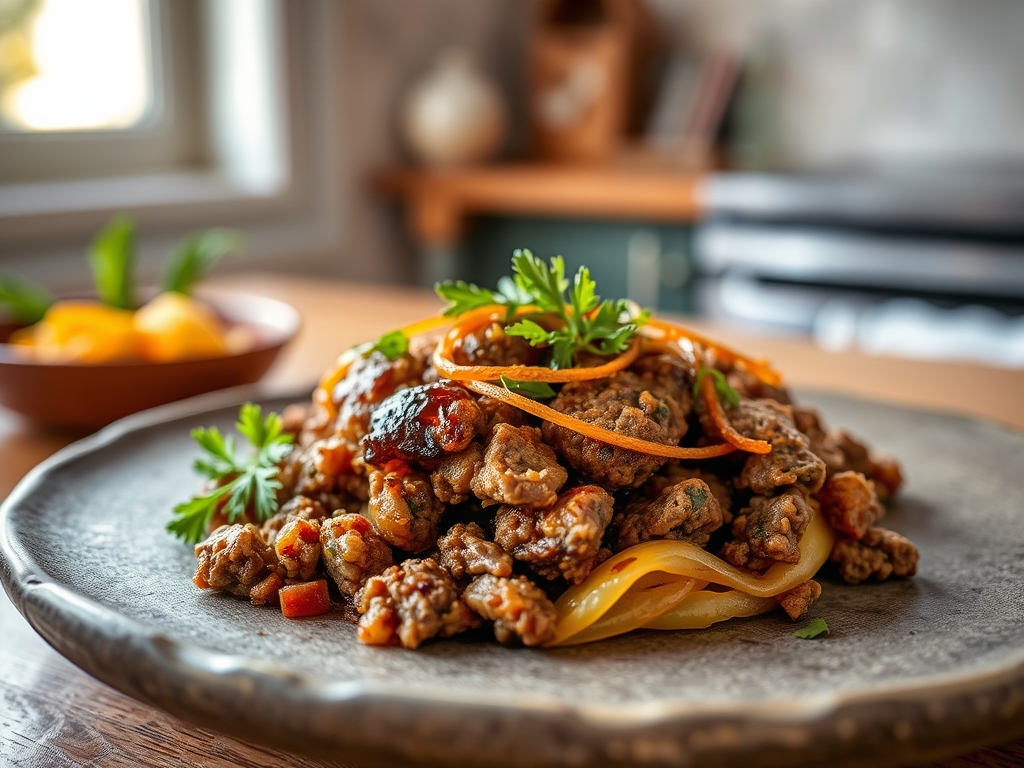
Picture the heavy-bottomed skillet resting on the burner; the blue flame curls upward to kiss the cast iron. You drop a pound of cold protein into the center and the room fills with that unmistakable, aggressive sizzle. This is the foundation of easy and delicious ground beef recipes that actually work. We are moving beyond the basic burger into a world of complex Maillard reactions and rich, emulsified sauces. Whether you are craving a piquant Korean bowl or a velvety stroganoff, ground beef is the ultimate culinary chameleon. It is affordable, fast, and when treated with scientific respect, it transforms into a gourmet centerpiece. We are going to master the art of browning, deglazing, and seasoning to ensure every forkful is a revelation of texture and taste. Forget everything you knew about mundane weeknight dinners. We are about to elevate the humblest ingredient in your freezer into a series of six masterpieces that will have your friends begging for the secret.
The Gathers:
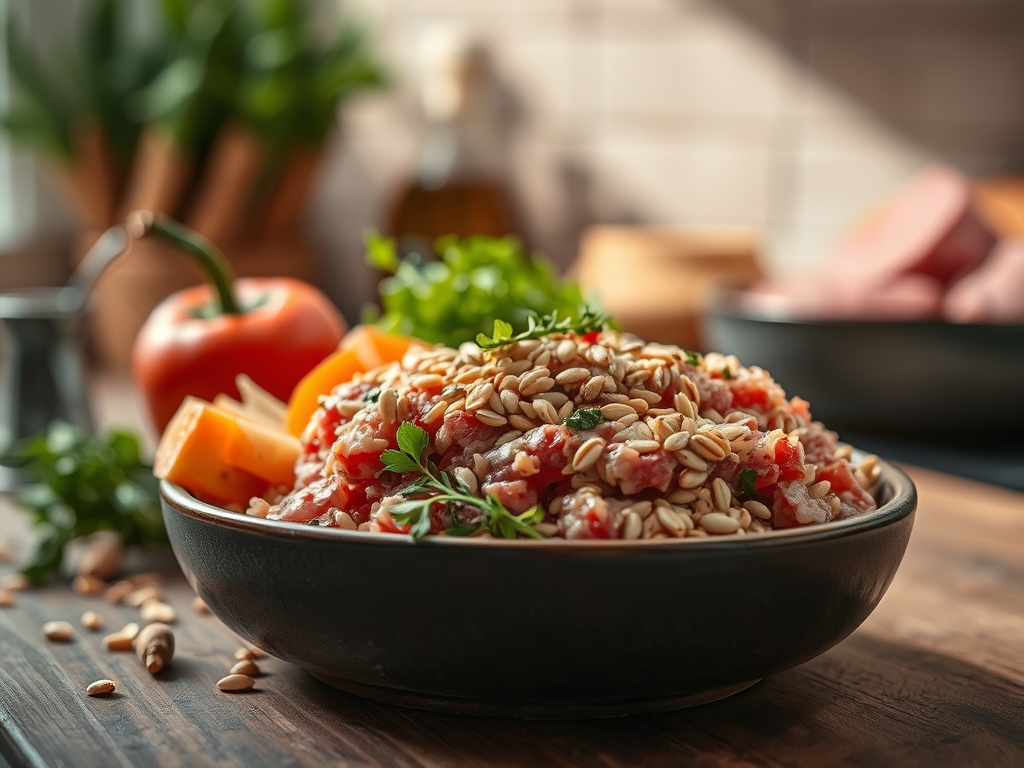
To execute these easy and delicious ground beef recipes, your mise-en-place must be precise. Start with high-quality 80/20 ground chuck; the 20 percent fat content is non-negotiable for flavor and moisture. You will need a piquant blend of aromatics: minced garlic, translucent shallots, and fresh ginger. For the sauces, gather viscous elements like oyster sauce, dark soy, and heavy cream. Use a microplane to zest your citrus and grate your aromatics into a fine paste for maximum surface area exposure.
Smart Substitutions are your best friend in a pinch. If you lack fresh ginger, use a pinch of ground ginger to provide that earthy heat. If you are out of heavy cream, a dollop of Greek yogurt can provide the necessary acidity and thickness, though you must temper it first to avoid curdling. Swap soy sauce for liquid aminos if you are watching sodium levels; the umami profile remains remarkably similar. Always keep a bottle of dry white wine or beef stock nearby to deglaze the pan and capture those precious browned bits.
The Clock
Efficiency in the kitchen is about the Chef's Flow. This is the rhythmic transition between prep and heat. Most of these recipes require exactly 10 minutes of active prep and 15 to 20 minutes of cooking. The secret is to chop your aromatics while the skillet preheats. Never crowd the pan; if you are doubling a recipe, work in batches to maintain a high thermal mass. By the time your pasta or rice has finished steaming, your beef should be resting. This 30-minute window ensures the protein remains succulent rather than rubbery.
The Masterclass
1. The Perfect Sear
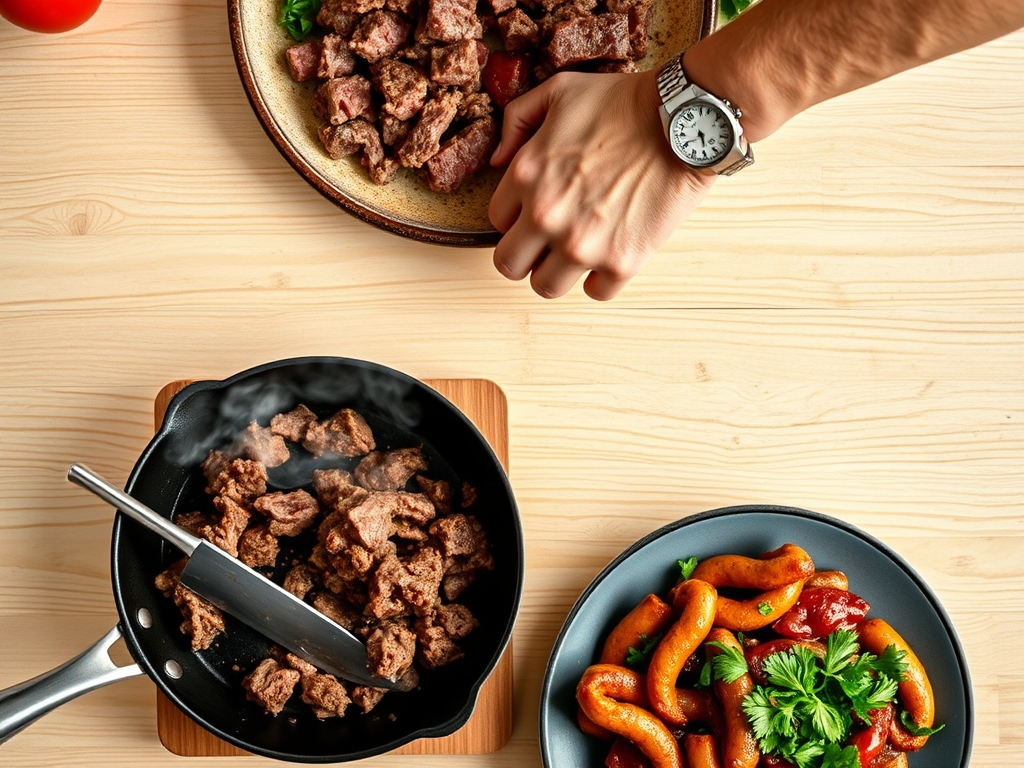
Place your meat in a preheated, heavy-bottomed skillet. Do not touch it for at least three minutes. You want to achieve a deep, mahogany crust.
Pro Tip: This is the Maillard reaction, a chemical dance between amino acids and reducing sugars. Moving the meat too early causes it to steam in its own moisture rather than brown, resulting in a gray, unappealing texture.
2. Rendering and Degreasing
Once the meat is browned, use a wooden spoon to break it into uniform crumbles. If there is excess liquid, tilt the pan and use a spoon to remove the rendered fat, leaving just enough to coat the bottom.
Pro Tip: Rendering fat is essential for flavor, but too much creates a greasy mouthfeel. Leaving a thin layer allows you to bloom your spices, which releases fat-soluble flavor compounds.
3. Infusing Aromatics
Push the beef to the perimeter of the pan and drop your garlic, shallots, or ginger into the center. Sauté until fragrant, which usually takes about sixty seconds.
Pro Tip: This is called infusing. By heating aromatics in the rendered fat, you create a flavor base that permeates the entire dish rather than just sitting on the surface.
4. Deglazing the Fond
Pour in a splash of liquid, such as wine, stock, or vinegar. Use a sturdy spatula to scrape up the brown bits stuck to the bottom of the pan.
Pro Tip: Those bits are called fond. They are concentrated flavor bombs. Deglazing incorporates this umami-rich material back into your sauce, creating depth and complexity.
5. Emulsifying the Sauce
Add your viscous liquids, like cream or cornstarch slurries. Stir constantly over medium heat until the sauce coats the back of a spoon.
Pro Tip: Emulsification is the process of combining two liquids that usually do not mix. Constant agitation and steady heat prevent the fat from separating, ensuring a silky, professional finish.
6. The Final Rest and Garnish
Remove the pan from the heat and allow the beef to sit for two minutes before serving. Finish with fresh herbs or a squeeze of lime.
Pro Tip: Thermal carryover means the meat continues to cook slightly after leaving the flame. Resting allows the muscle fibers to relax and reabsorb juices, ensuring a tender bite.
The Deep Dive
Nutritionally, ground beef is a powerhouse of Vitamin B12, zinc, and iron. One serving typically provides 25 grams of protein, making it ideal for muscle recovery. For a keto-friendly version, serve these recipes over riced cauliflower or zoodles. If you are gluten-free, ensure your soy sauce is replaced with tamari. For a vegan twist, high-quality lentil crumbles or walnut meat can mimic the texture of beef, though you may need to add a touch of liquid smoke to replicate the savory depth.
The Fix-It: If your meat is too salty, add a splash of acid like lemon juice or a pinch of sugar to balance the palate. If the sauce is too thin, whisk a teaspoon of cornstarch with cold water and stir it into the simmering pan. If the beef feels tough, you likely overcooked it; next time, pull it off the heat slightly earlier and rely on carryover cooking.
Meal prep is a breeze with these easy and delicious ground beef recipes. To maintain "day-one" quality, reheat your portions in a skillet with a tablespoon of water rather than using the microwave. This creates a small amount of steam that rehydrates the protein without toughening the fibers.
The Wrap-Up
Mastering these easy and delicious ground beef recipes is about more than just following a list of steps; it is about understanding the chemistry of the kitchen. When you respect the sear and embrace the deglaze, you transform basic ingredients into culinary gold. These six dinners are designed to be your reliable, high-flavor rotation for busy nights. Now, grab your favorite skillet and let the sizzle begin. You have the tools, the science, and the flavor profile to dominate dinner time.
The Kitchen Table
Why is my ground beef gray instead of brown?
Gray meat occurs when the pan is crowded or not hot enough. This causes the meat to steam in its own juices. Always preheat your skillet and cook in batches to ensure a proper Maillard sear.
Can I freeze these ground beef meals?
Yes, ground beef dishes freeze exceptionally well. Ensure the meal is completely cool before sealing it in an airtight container. Use within three months and thaw in the refrigerator overnight before reheating in a skillet for the best texture.
What is the best fat ratio for ground beef?
An 80/20 ratio is ideal for most recipes. The 20 percent fat provides the necessary lubrication for the meat fibers during high-heat cooking. This prevents the beef from becoming dry, grainy, or flavorless.
How do I make my ground beef more tender?
Avoid overworking the meat when it is in the pan. Breaking it into too many tiny pieces can lead to moisture loss. Additionally, adding a pinch of baking soda mixed with water before cooking can help retain juices.