
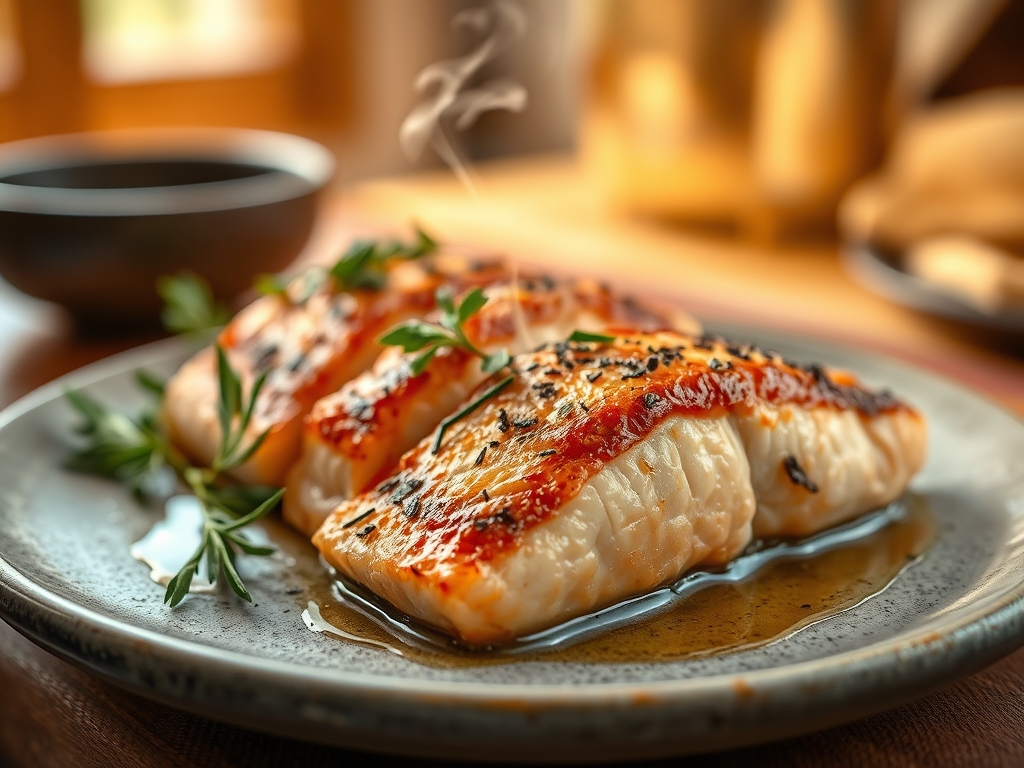
Imagine the sound of a heavy sheet pan sliding onto the middle rack of a preheated oven. Within minutes, the air in your kitchen transforms. The scent of rendering fats mingles with the sharp, piquant aroma of fresh lemon and garlic. When searching for salmon recipes baked in the oven, most home cooks are looking for that elusive combination of a buttery, flakey interior and a perfectly caramelized exterior. It is not just about heat; it is about the chemistry of proteins and the precision of timing. We are moving beyond the dry, chalky fillets of the past and stepping into a world where your oven acts as a high precision convection tool.
Salmon is a unique specimen in the culinary world. It is packed with omega 3 fatty acids that act as internal insulators, yet it remains incredibly sensitive to thermal shock. Achieving the perfect bake requires an understanding of how moisture behaves under pressure. We are going to explore the nuances of protein denaturation and why a simple piece of parchment paper is actually a high tech moisture barrier. By the end of this guide, you will be the resident expert on salmon recipes baked in the oven, treating every fillet with the reverence of a Michelin starred chef while maintaining the effortless cool of a Friday night dinner party host.
The Gathers:
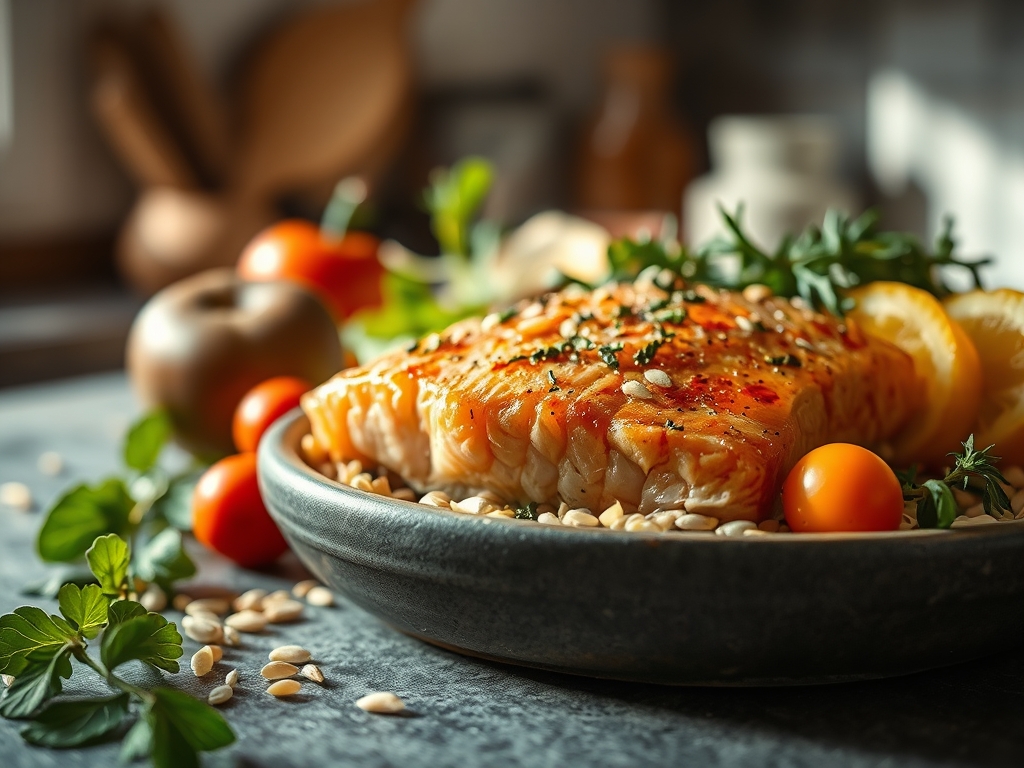
To begin, clear your workstation with a bench scraper to ensure a pristine surface. Your mise-en-place is the foundation of success. You will need high quality Atlantic or King salmon fillets, preferably center cut for uniform thickness. Gather your aromatics: fresh garlic cloves, sprigs of woody rosemary or thyme, and a bright, acidic lemon. For the fat component, choose a high smoke point oil like avocado oil or a clarified butter. You will also need kosher salt; the coarse grains allow for better tactile control when seasoning.
Smart Substitutions: If you are out of fresh lemons, a splash of white wine vinegar or verjus provides the necessary acidity to cut through the viscous fats of the fish. Instead of fresh garlic, a high quality garlic oil can infuse the flesh without the risk of burning the tiny bits of allium. If you prefer a crust, swap traditional breadcrumbs for crushed macadamia nuts to maintain a keto profile while adding a rich, buttery crunch.
The Clock
Efficiency in the kitchen is all about the Chef's Flow. This is the art of overlapping tasks so that no second is wasted. Your total active prep time should be exactly 10 minutes, with a cook time ranging from 12 to 15 minutes depending on the thickness of the fish.
Start by preheating your oven immediately. While the heating elements reach their target, you are seasoning and prepping. By the time the oven chime sounds, your salmon should be resting on the counter to take the chill off. This prevents thermal shock. Total time from fridge to table is under 30 minutes, making this the crown jewel of weeknight efficiency.
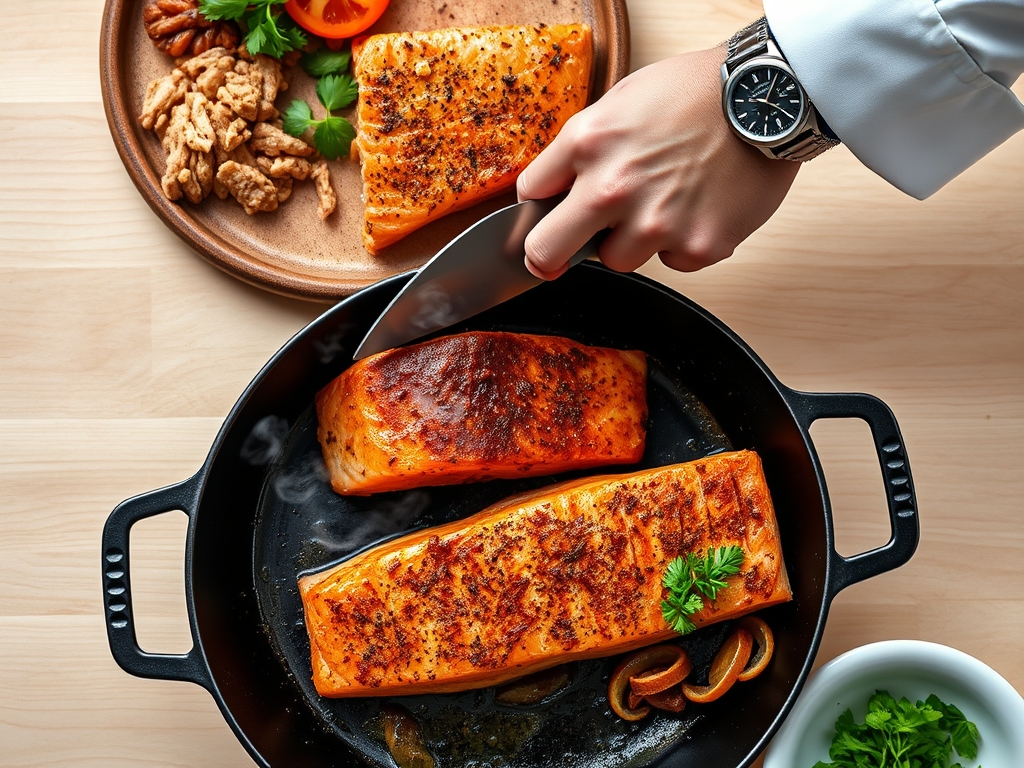
The Masterclass
1. Tempering the Protein
Remove your salmon from the refrigerator at least 15 minutes before cooking. Use a paper towel to pat the skin and flesh completely dry. Moisture is the enemy of browning; any surface water will create steam, leading to a rubbery texture rather than a crisp finish.
Pro Tip: This is known as surface evaporation. By removing moisture, you allow the heat to immediately begin the Maillard reaction on the surface rather than wasting energy evaporating water.
2. The Precision Seasoning
Place your fillets on a parchment lined baking sheet. Use your digital scale if you want to be precise, aiming for about 1.5% salt by weight. Season from a height of six inches to ensure an even distribution of grains across the entire surface area.
Pro Tip: Salt acts as a denaturant, lightly breaking down the tightly wound protein coils. This allows the fish to retain more moisture during the high heat of the baking process.
3. Infusing Aromatics
Use a microplane to zest lemon directly over the fillets. The essential oils in the zest are highly volatile and will infuse the salmon with a bright citrus punch without the curdling effect that raw juice can sometimes have on delicate proteins. Top with a thin slice of cold butter or a drizzle of oil.
Pro Tip: Fats act as a flavor carrier. Many of the aromatic compounds in herbs and citrus are fat soluble, meaning they need a lipid medium to penetrate the cellular structure of the fish.
4. The High Heat Interval
Slide the tray into an oven preheated to 400 degrees Fahrenheit. Position the rack in the upper third of the oven. This utilizes the concentrated heat at the top of the chamber to create a slight crust while the gentle ambient heat cooks the center.
Pro Tip: This method utilizes radiant heat from the oven ceiling. It mimics the effect of a broiler without the aggressive intensity that often leads to charred exteriors and raw centers.
5. Monitoring Thermal Carryover
Pull the salmon when a digital thermometer reads 125 degrees Fahrenheit for medium rare or 130 degrees for medium. Do not wait until it reaches the final serving temperature.
Pro Tip: This is thermal carryover. The internal temperature will continue to rise by 5 to 7 degrees after removal from the oven as the kinetic energy from the outer layers moves toward the center.
6. The Final Emulsification
Once out of the oven, squeeze fresh lemon juice over the hot fillets and rest for three minutes. Use a saucier to prepare a quick pan sauce if desired, or simply let the rendered fats and lemon juice create a natural jus on the plate.
Pro Tip: Resting allows the muscle fibers to relax and reabsorb juices. If you cut into the fish immediately, the internal pressure will force the moisture out, leaving the salmon dry.
The Deep Dive
Macro Nutrition: Salmon is a nutritional powerhouse. A standard 6 ounce fillet provides roughly 34 grams of high quality protein and 22 grams of healthy fats. It is naturally low in carbohydrates, making it a staple for metabolic health.
Dietary Swaps: For a Vegan alternative, use this same roasting method with a thick slab of cauliflower or "tofu salmon" marinated in beet juice and liquid smoke. For Keto enthusiasts, double down on the fats by adding a dollop of homemade pesto. For Gluten Free needs, ensure your seasonings are certified and avoid any soy sauce based glazes unless using tamari.
The Fix-It:
- White Gunk (Albumin): If you see white streaks, the oven was too hot or you overcooked it. Fix it by lowering the temp next time or brining the fish in salt water for 10 minutes before baking.
- Soggy Skin: The skin wasn't dry enough or the pan wasn't preheated. Fix it by finishing the salmon in a heavy-bottomed skillet for 60 seconds skin side down after baking.
- Uneven Cooking: One end is dry while the other is raw. Fix it by folding the thin "tail" underneath itself to create a uniform thickness across the fillet.
Meal Prep: To reheat without losing quality, avoid the microwave. Use a low oven (275 degrees) with a splash of water and a cover. This creates a gentle steam environment that rehydrates the proteins without overcooking them.
The Wrap-Up
Mastering salmon recipes baked in the oven is a rite of passage for any serious home cook. It is the perfect marriage of biological science and artistic flair. By controlling the moisture, managing the thermal carryover, and respecting the integrity of the fats, you transform a basic grocery item into a restaurant quality masterpiece. Remember, the best tool in your kitchen is your own observation. Watch for the change in opacity, feel the resistance of the flesh, and trust the process. Now, grab your tongs, fire up that oven, and let the Maillard reaction work its magic.
The Kitchen Table
How do I prevent salmon from sticking to the pan?
Always use parchment paper or a silicone baking mat. If cooking directly on metal, ensure the pan is preheated and well oiled. The heat creates a steam barrier that helps the proteins release naturally from the surface.
What is the best temperature for baking salmon?
For most salmon recipes baked in the oven, 400 degrees Fahrenheit is the sweet spot. It is high enough to caramelize the exterior while remaining fast enough to keep the center juicy and tender.
How can I tell if salmon is done without a thermometer?
Press the center of the fillet with a fork or finger. If the flakes begin to separate easily along the white lines of fat (the connective tissue), the salmon is ready. It should be opaque but still moist.
Should I bake salmon covered or uncovered?
Bake it uncovered for a roasted, caramelized finish. If you prefer a poached, softer texture, you can wrap it in foil or parchment (en papillote), which traps steam and cooks the fish very gently in its own juices.