
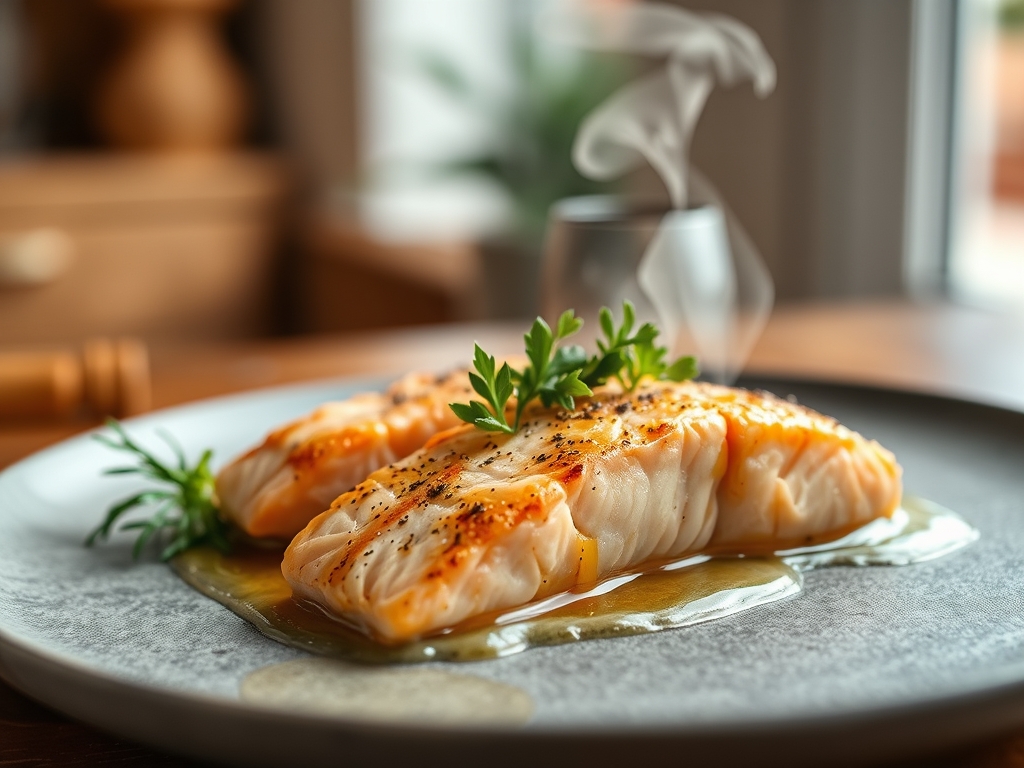
Imagine the sound of a heavy bottomed skillet hitting the burner; that rhythmic clink is the starting bell for the best meal of your week. We are chasing that specific, glass like shatter of a caramelized crust meeting the buttery, flakey interior of a perfectly rendered fillet. When it comes to salmon recipes with lime and honey, we are not just tossing ingredients into a pan; we are orchestrating a complex chemical romance between piquant citrus acids and viscous floral sugars. This combination is a culinary powerhouse because the lime juice acts as a denaturant, pre softening the fish proteins, while the honey provides the fuel for a spectacular Maillard reaction. By the time you finish this guide, you will understand how to balance these polar opposites to create a glaze that clings to the fish like silk rather than sliding off into a watery mess. We are moving beyond basic searing into the realm of professional glaze emulsification, ensuring every bite is a masterclass in texture and brightness.
The Gathers:
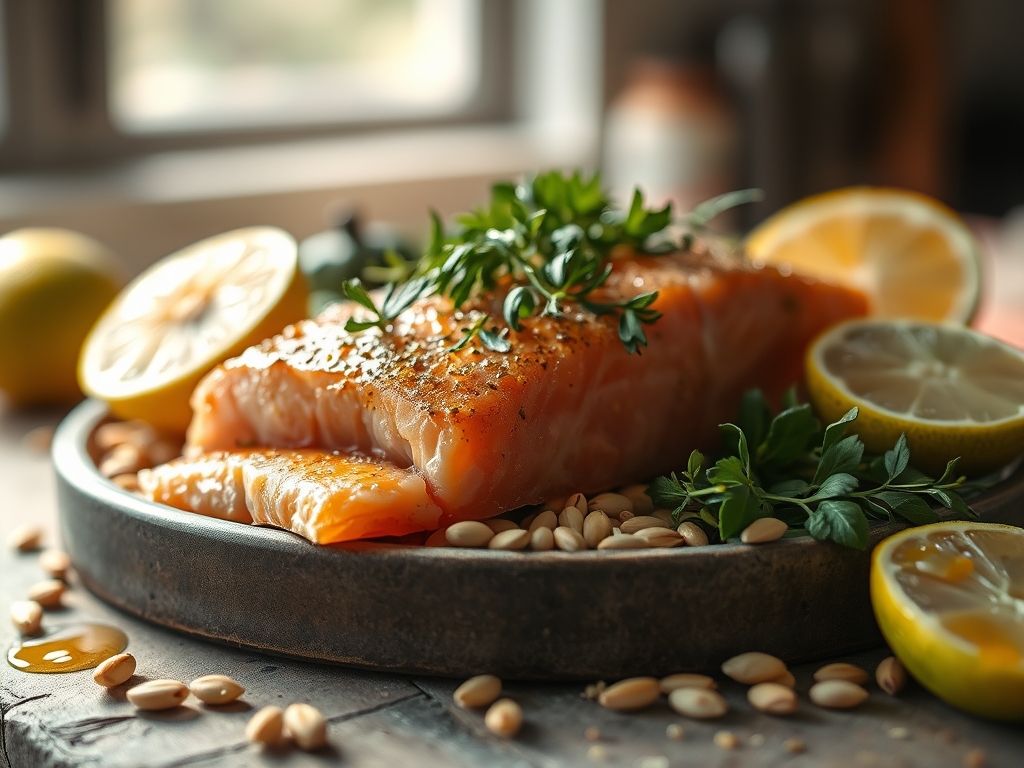
Setting up your mise en place is about more than just organization; it is about controlling the variables of heat and moisture. For our salmon recipes with lime and honey, you will need high quality Atlantic or King salmon fillets, ideally skin on to protect the delicate flesh from direct thermal shock. Your honey should be a light, floral variety like clover or orange blossom, which has a lower glucose to fructose ratio, allowing for a more controlled caramelization without burning. The lime component requires both the juice for acidity and the zest for those essential aromatic oils found in the flavedo.
Beyond the basics, gather your supporting cast: fresh grated ginger for a pungent heat, minced garlic for savory depth, and a neutral oil with a high smoke point like avocado or grapeseed oil. Avoid extra virgin olive oil here, as its low smoke point will result in acrid flavors during the high heat sear.
Smart Substitutions:
If you find yourself without honey, agave nectar is a brilliant 1:1 swap because it possesses a similar viscosity and moisture retaining property. No limes in the crisper? Use calamansi or a mix of lemon and a tiny pinch of cream of tartar to mimic that sharp, piquant lime profile. For a soy free alternative to the salt component, coconut aminos offer a lower sodium, slightly sweeter profile that complements the honey beautifully.
The Clock
Efficiency in the kitchen is what separates a stressed cook from a culinary artist. This entire process follows a specific "Chef's Flow" designed to maximize flavor while minimizing active work. Your total prep time is a tight 10 minutes, mostly focused on zesting and emulsifying your glaze in a small saucier. The cook time is a swift 8 to 12 minutes depending on the thickness of your fillets.
The flow works like this: start by tempering your salmon. Taking the chill off the fish for 15 minutes prevents the muscle fibers from tightening too quickly when they hit the heat. While the fish tempers, you whisk your glaze. By the time your skillet is screaming hot, your glaze is ready, and your fish is relaxed. This overlap ensures that the honey does not spend too long in the pan, which prevents it from reaching the bitter "burnt sugar" stage.
The Masterclass
1. The Surface Preparation
Pat your salmon fillets bone dry using heavy duty paper towels. Moisture is the enemy of the sear. If the surface is damp, the heat of the pan will spend its energy evaporating water rather than browning the fish, resulting in a steamed, grey texture.
Pro Tip: This is known as preventing "evaporative cooling." By removing surface water, you allow the surface temperature to rapidly exceed 285 degrees Fahrenheit, the magic number where the Maillard reaction begins to create those complex, savory flavor compounds.
2. The Cold Start Emulsification
In a small saucier, whisk together your honey, lime juice, zest, and aromatics before applying any heat. Use a microplane to grate the garlic and ginger directly into the liquid to capture every drop of juice and essential oil.
Pro Tip: Whisking cold allows you to create a temporary emulsion. The honey acts as a surfactant, wrapping around the lime juice droplets. This ensures that when the glaze hits the hot pan, it reduces evenly rather than separating into a watery mess and a sticky glob.
3. The High Heat Sear
Place your heavy bottomed skillet over medium high heat and add your oil. Once the oil shimmers and reaches its smoke point, lay the salmon skin side down. Press gently with a flexible fish spatula to ensure full contact between the skin and the metal.
Pro Tip: This initial press prevents the protein "shrinkage" that causes fillets to curl. By keeping the fish flat, you ensure even heat distribution across the entire surface, leading to a uniform texture.
4. The Glaze Application and Deglaze
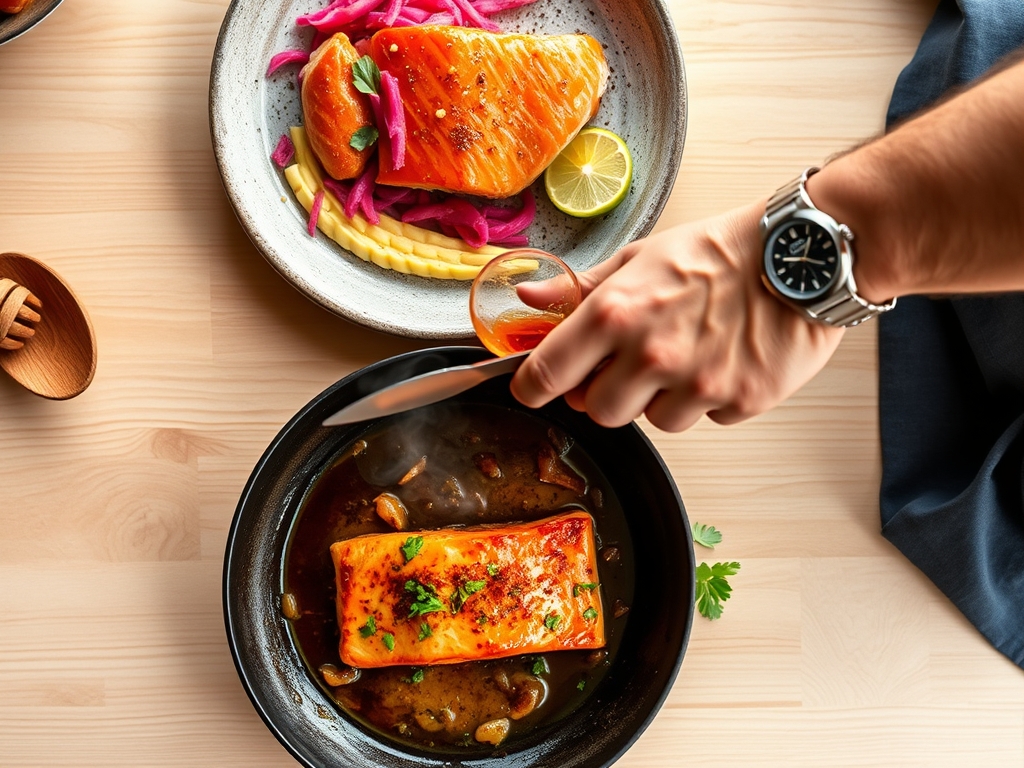
Flip the salmon once the skin is crispy and the flesh has cooked about two thirds of the way up the side. Immediately pour your honey lime mixture into the pan. Use a spoon to continuously baste the fish as the liquid bubbles and reduces into a thick, amber syrup.
Pro Tip: This is a form of deglazing. The lime juice picks up the "fond" (the browned bits) from the bottom of the pan, incorporating those concentrated flavors back into the sauce. The honey prevents the acid from evaporating too quickly.
5. The Thermal Carryover Rest
Remove the salmon from the pan when the internal temperature hits 125 degrees Fahrenheit for medium rare or 130 for medium. Transfer to a warm plate and pour the remaining thickened glaze over the top.
Pro Tip: This accounts for "carryover cooking." The internal temperature will continue to rise by 5 to 10 degrees after the fish is removed from the heat. Pulling it early ensures the center remains succulent rather than turning chalky and dry.
The Deep Dive
From a macro perspective, salmon recipes with lime and honey are a nutritional powerhouse. You are looking at roughly 350 calories per 6 ounce serving, with 34 grams of high quality protein and a healthy dose of Omega 3 fatty acids. The honey adds about 12 to 15 grams of carbohydrates, making this a balanced fuel source.
Dietary Swaps:
For a Keto version, swap the honey for a monk fruit based maple syrup or a keto friendly honey alternative; this drops the net carbs to nearly zero. Vegan friends can apply this exact glaze technique to thick slabs of cauliflower or firm tofu, though you should swap the honey for maple syrup to keep it plant based.
The Fix-It:
- Glaze is too thin: If your sauce is watery, whisk in a half teaspoon of cornstarch mixed with cold water (a slurry) and simmer for 30 seconds.
- Skin is sticking: You likely tried to flip too early. Salmon will naturally "release" from the pan once the proteins have sufficiently denatured and browned.
- Honey is burning: Your pan is too hot. Move the skillet off the burner and add a splash of water or chicken stock to instantly drop the temperature and loosen the caramel.
Meal Prep Science:
To reheat without ruining the texture, avoid the microwave. The high frequency waves agitate water molecules, causing the delicate fats to "pop" and the fish to dry out. Instead, place the salmon in a covered pan with a tablespoon of water over low heat for 4 minutes. This creates a gentle steam sauna that rehydrates the glaze and warms the protein gently.
The Wrap-Up
Mastering salmon recipes with lime and honey is a rite of passage for any home cook looking to bridge the gap between "tasty" and "restaurant quality." By understanding the science of the sear and the chemistry of the glaze, you have transformed a simple piece of fish into a sophisticated balance of acid, sugar, and fat. Remember to trust your tools; use that microplane for maximum zest extraction and that heavy skillet for the perfect crust. Now, go grab your apron and let the sizzle begin.
The Kitchen Table
Can I use bottled lime juice for the glaze?
Fresh is non negotiable here. Bottled juice is pasteurized, which destroys the bright, volatile citrus notes and enzymes that help tenderize the fish. Fresh lime provides the necessary piquant punch to balance the heavy honey.
How do I know the salmon is perfectly cooked?
Use a digital thermometer to check the thickest part of the fillet. Aim for 125 to 130 degrees Fahrenheit. If you don't have one, the fish should flake easily with a fork but still look slightly translucent in the very center.
Why does my honey glaze always turn bitter?
Honey contains natural sugars that burn at 320 degrees Fahrenheit. If your glaze turns bitter, your pan temperature is too high. Add the glaze only during the final two minutes of cooking to ensure it caramelizes without scorching.
Is it better to cook salmon with the skin on or off?
Always cook with the skin on. The skin acts as a thermal barrier, protecting the delicate flesh from the direct heat of the pan. It also contains a layer of fat that renders out, adding incredible flavor and moisture.
Can I marinate the salmon in the honey lime mixture?
Avoid long marinades. The acid in the lime will "cook" the fish (like ceviche) and change the texture to something mushy. For the best results, apply the mixture as a glaze during the final stages of cooking.