
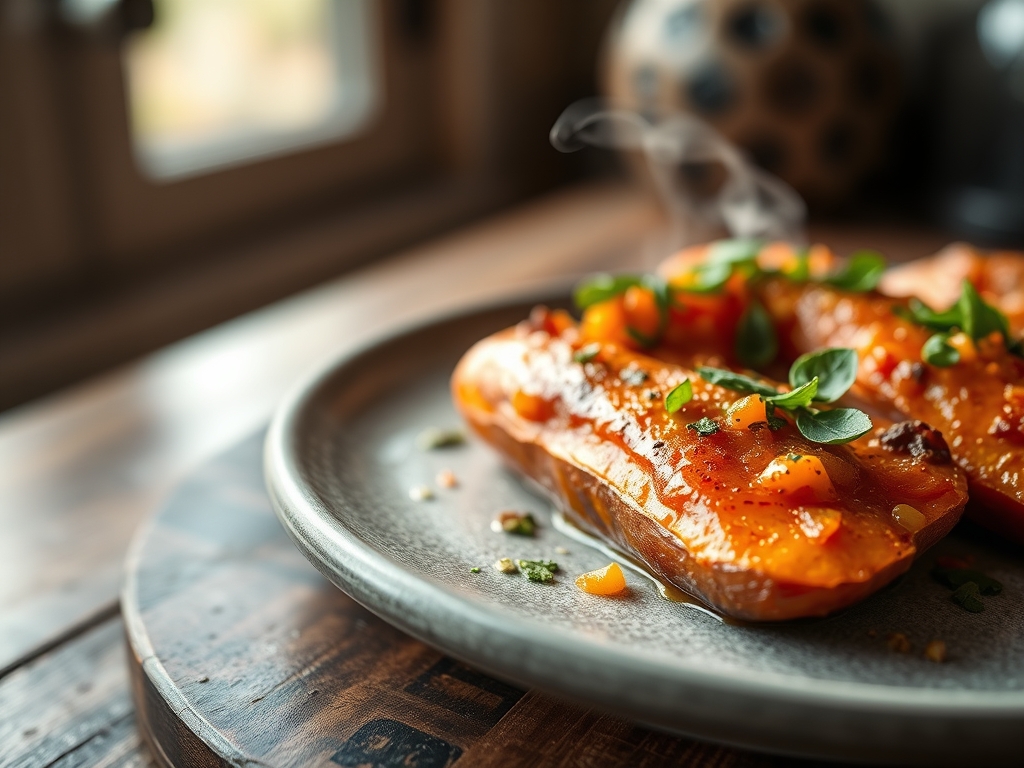
Picture this: a heavy-bottomed skillet sizzling on the range, the air thick with the scent of caramelizing sugars and the sharp, piquant sting of toasted chiles. We are moving beyond the marshmallow-topped clichés of yesteryear to embrace the complex, earthy heat of modern spicy sweet potato recipes. This is where the velvety texture of a tuber meets the aggressive bite of capsaicin, creating a culinary tension that is nothing short of addictive.
The secret to a perfect spicy sweet potato dish lies in the balance of pH and heat. Sweet potatoes are naturally alkaline, which means they need an acidic counterpoint like lime juice or vinegar to brighten the flavor profile and prevent the dish from feeling heavy. When you introduce a heat source, whether it is smoky chipotle or bright habanero, you are not just adding spice; you are initiating a chemical dance that elevates the natural maltose within the vegetable.
As we dive into these eight hacks, remember that we are treating the sweet potato as a canvas for high-impact flavor. We will be manipulating starch structures and exploiting the Maillard reaction to ensure every bite offers a contrast between a crispy, charred exterior and a custardy, spice-infused center. Grab your favorite chef knife and let us get to work.
The Gathers:
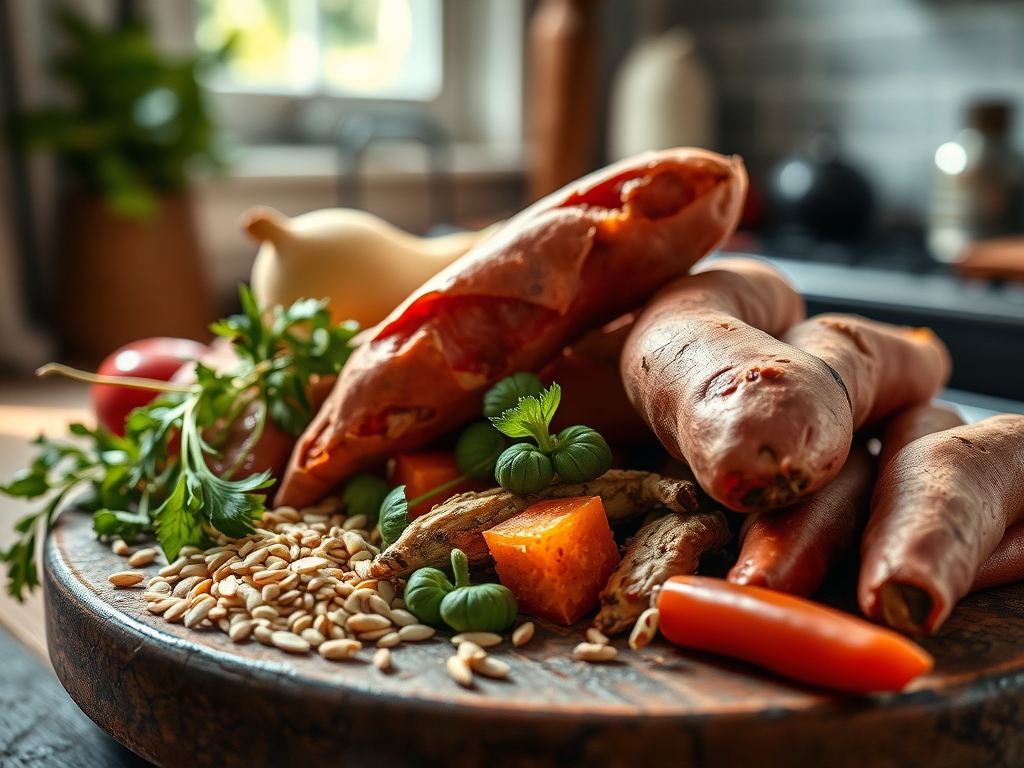
To execute these spicy sweet potato recipes with precision, your mise-en-place must be impeccable. Start with the star of the show: firm, unblemished Beauregard or Jewel sweet potatoes. These varieties contain a high moisture content that allows for a creamy interior when roasted. You will also need a high-quality fat with a high smoke point, such as avocado oil or clarified butter, to ensure you can reach the temperatures necessary for browning without scorching the oil.
Your spice kit should include dried guajillo chiles for earthiness, red pepper flakes for immediate heat, and perhaps some gochujang for a fermented, viscous kick. Fresh aromatics like ginger and garlic are non-negotiable; their volatile oils provide the aromatic foundation for the spice. Finally, keep a microplane nearby for zesting citrus and grating fresh aromatics into fine pastes that will emulsify perfectly into your glazes.
Smart Substitutions:
If you find yourself without sweet potatoes, Japanese yams offer a starchier, chestnut-like flavor that pairs beautifully with heat. For the spice, if you lack fresh chiles, a high-quality harissa paste can provide a similar depth. If you are watching your sodium, swap traditional soy sauce for liquid aminos; the savory umami remains intact while keeping the nutritional profile lean.
The Clock:
Efficiency in the kitchen is about understanding "Chef's Flow." This is the art of overlapping tasks so that no second is wasted. For these recipes, prep time typically clocks in at 15 minutes, while active cooking spans 30 to 45 minutes depending on your heat source.
The flow begins with the oven. Preheating is the most overlooked step; a cold oven leads to steamed, soggy potatoes. While the oven reaches its target temperature, use your bench scraper to organize your chopped tubers into uniform cubes. Uniformity is not just for aesthetics; it ensures that every piece reaches the same internal temperature simultaneously. While the potatoes roast, you will use that 25-minute window to whisk your spicy glazes and prepare your garnishes. This "dead time" is actually your most productive window.
The Masterclass:
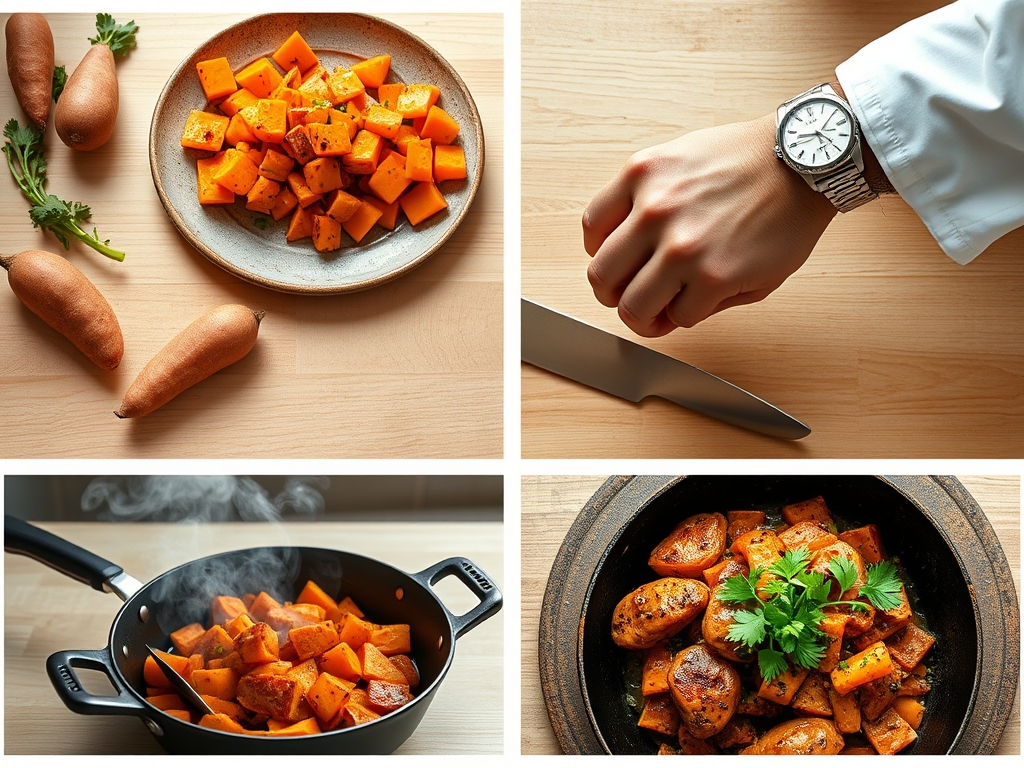
1. The Precision Cut
Use a sharp chef knife to slice your sweet potatoes into 1-inch rounds or cubes. Consistency in size is the primary driver of even cooking.
Pro Tip: This prevents enzymatic browning. By keeping your cuts uniform and working quickly, you minimize the surface area exposed to oxygen, which keeps the interior vibrant and prevents the development of off-flavors before the heat hits.
2. The Oil Emulsion
In a large mixing bowl, toss the potatoes with your chosen oil and a pinch of kosher salt. Use your hands to ensure every millimeter of the surface is coated in a thin, viscous film.
Pro Tip: This layer of fat acts as a thermal conductor. It facilitates the transfer of heat from the air to the potato, ensuring the exterior reaches the 285 degree threshold required for the Maillard reaction to occur.
3. The High-Heat Roast
Spread the potatoes on a preheated baking sheet. Do not crowd the pan; if the pieces are touching, they will steam rather than roast.
Pro Tip: Crowding the pan leads to moisture entrapment. When water vapor cannot escape, it lowers the surface temperature of the potato, preventing the crisping process and leaving you with a limp texture.
4. The Spice Infusion
Midway through roasting, use tongs to flip the potatoes and drizzle them with your spicy infusion, such as a honey-sriracha blend or a chili-lime vinaigrette.
Pro Tip: Adding sugar-based spices mid-way prevents sugar scorching. If you add honey or maple syrup at the start, the sugars will burn before the potato starch has fully gelatinized.
5. The Thermal Rest
Once the potatoes are fork-tender and charred at the edges, remove them from the oven and let them sit on the hot tray for five minutes.
Pro Tip: This utilizes thermal carryover. The internal temperature will continue to rise slightly, finishing the cooking process of the core without over-browning the delicate exterior skin.
The Deep Dive:
When we look at the macro nutrition of spicy sweet potato recipes, we see a powerhouse of complex carbohydrates and Vitamin A. A single serving provides nearly 400 percent of your daily recommended intake of beta-carotene. By adding spice, specifically capsaicin, you are also potentially boosting your metabolic rate and increasing satiety.
Dietary Swaps:
For a Vegan version, swap butter for coconut oil; the slight sweetness of the coconut complements the heat perfectly. For Keto enthusiasts, while sweet potatoes are higher in carbs, you can reduce the portion size and increase the healthy fats by adding a spicy avocado crema. All these recipes are naturally Gluten-Free, provided your spice blends do not contain hidden anti-caking agents.
The Fix-It:
- Soggy Potatoes: Your oven temperature was too low or the pan was crowded. Fix: Crank the heat to 425 degrees and move the tray to the top rack for the final five minutes.
- Too Much Heat: If the spice is overwhelming, do not add water. Fix: Add a dollop of Greek yogurt or a squeeze of lime; the fat and acid neutralize the capsaicin molecules.
- Burnt Spices: If your dry rub turned bitter, it scorched. Fix: Next time, bloom your spices in oil over low heat before tossing, or add them during the final ten minutes of roasting.
Meal Prep:
To maintain "day-one" quality when reheating, avoid the microwave. The microwave agitates water molecules, making the potato mushy. Instead, use an air fryer or a dry skillet to re-crisp the exterior while gently warming the center.
The Wrap-Up:
Mastering spicy sweet potato recipes is about more than just following a list of ingredients; it is about understanding the physics of the kitchen. When you balance the natural sugars of the tuber with the aggressive heat of the pepper, you create a dish that is both comforting and electrifying. Whether you are serving these as a bold side dish or the star of a grain bowl, the key is confidence in your seasoning and precision in your technique. Now, go forth and turn up the heat in your kitchen.
The Kitchen Table:
How do I make sweet potatoes extra crispy?
Ensure the potatoes are completely dry before tossing in oil. Use a high-heat fat and avoid crowding the baking sheet. The space between the potatoes allows steam to escape, which is essential for a crunchy, caramelized exterior.
What is the best spice for sweet potatoes?
Smoked paprika and chipotle powder are elite choices. They provide a deep, earthy heat that complements the natural sweetness. For a brighter profile, try tajin or a blend of cayenne and fresh lime zest for a piquant kick.
Can I leave the skin on sweet potatoes?
Absolutely. The skin contains significant fiber and nutrients. When roasted at high heat, the skin becomes pleasantly crisp and provides a structural contrast to the soft interior. Just be sure to scrub them thoroughly with a vegetable brush first.
Why are my roasted sweet potatoes bitter?
Bitterness usually results from burnt spices or over-caramelization. If you use honey or maple syrup, add them during the final stage of cooking. Also, ensure your spices are fresh, as old oils in spices can turn rancid and bitter.