
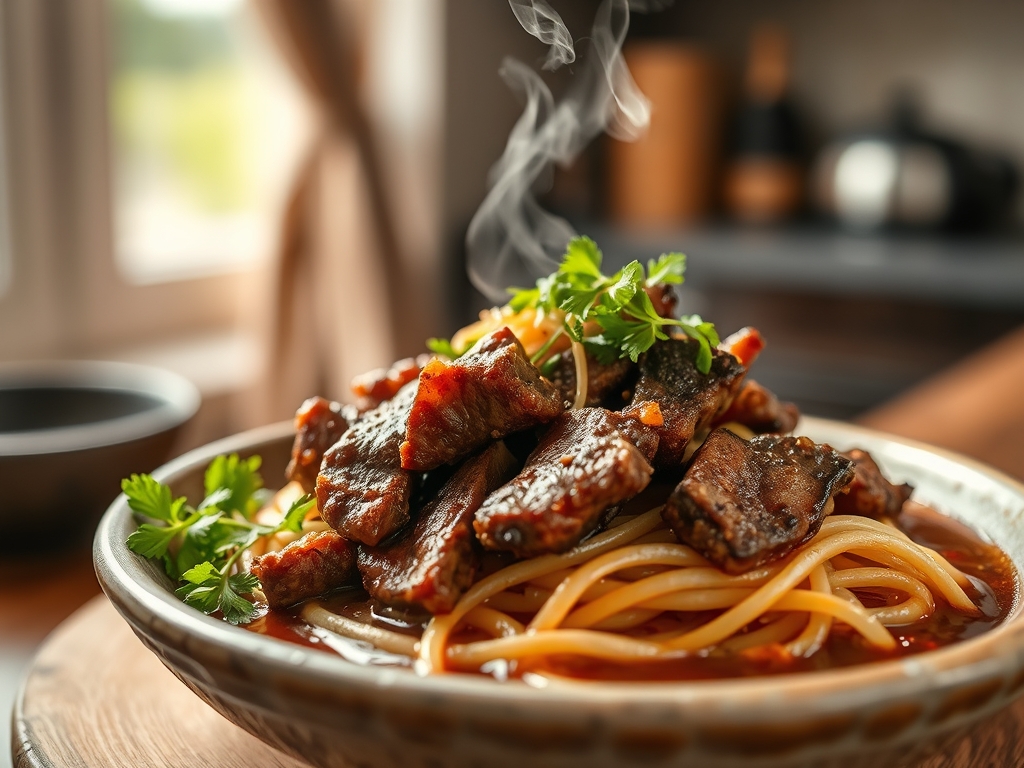
Close your eyes and listen for that specific, high-frequency sizzle. It is the sound of thin ribbons of ribeye hitting a screaming hot surface, signaling the start of the ultimate comfort food transformation. We are moving far beyond the collegiate struggle of plain noodles and salty packets. When you master ramen beef recipes, you are essentially conducting a symphony of texture and chemistry. Imagine the deep, umami richness of a dark soy reduction clinging to bouncy, alkaline noodles. It is salty, sweet, and intensely savory. We are going to elevate the humble takeout aesthetic into a five-star experience using nothing but a few smart techniques and a heavy-bottomed skillet. This is about more than just dinner; it is about understanding how heat and fat interact to create that addictive, glossy coating that defines high-end Asian fusion. Get ready to turn your kitchen into the best noodle bar in the city.
The Gathers:
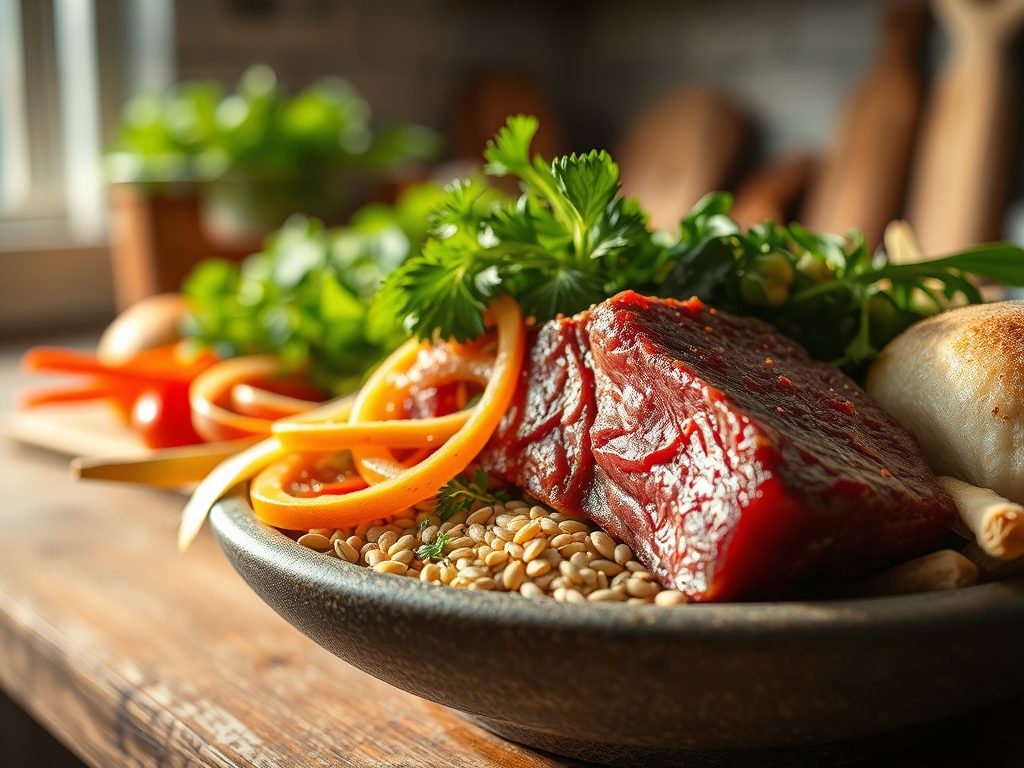
To achieve professional results, your mise-en-place must be precise. Start with 12 ounces of flank steak or ribeye, sliced against the grain into translucent strips. The science here is simple: cutting against the grain shortens the muscle fibers, ensuring every bite is tender rather than chewy. You will need two packs of high-quality ramen noodles; discard the flavor packets in favor of a homemade viscous slurry. This slurry consists of low-sodium soy sauce, toasted sesame oil, minced ginger, and a splash of mirin for acidity.
For the aromatics, gather four cloves of garlic and a bunch of scallions. Use a microplane to grate your ginger into a fine paste, which allows the essential oils to infuse the sauce more effectively than dicing. Smart Substitutions: If you are avoiding gluten, swap the ramen for thick rice noodles and use liquid aminos instead of soy sauce. For a leaner profile, top sirloin works beautifully, provided you do not overcook it. Always keep a small bowl of toasted sesame seeds and chili crisp nearby to add a piquant finish and textural contrast.
The Clock: 15 Minutes to Glory
Efficiency in the kitchen is all about the "Chef's Flow." This recipe demands a total of 20 minutes: 10 for prep and 10 for active cooking. Because we are working with high heat, you cannot step away to chop a stray scallion. Your bench scraper should be your best friend here, moving ingredients from the cutting board to the pan in one fluid motion.
The flow works like this: boil the water while you slice the beef. By the time the water reaches a rolling boil, your beef should be seasoned and ready. The noodles only need three minutes to reach a perfect al dente state. While they drain, the beef hits the pan. The goal is to finish the sauce and the protein exactly as the noodles lose their excess moisture. This synchronization prevents the noodles from becoming a gummy, over-hydrated mess.
The Masterclass:
1. The Sear and Render
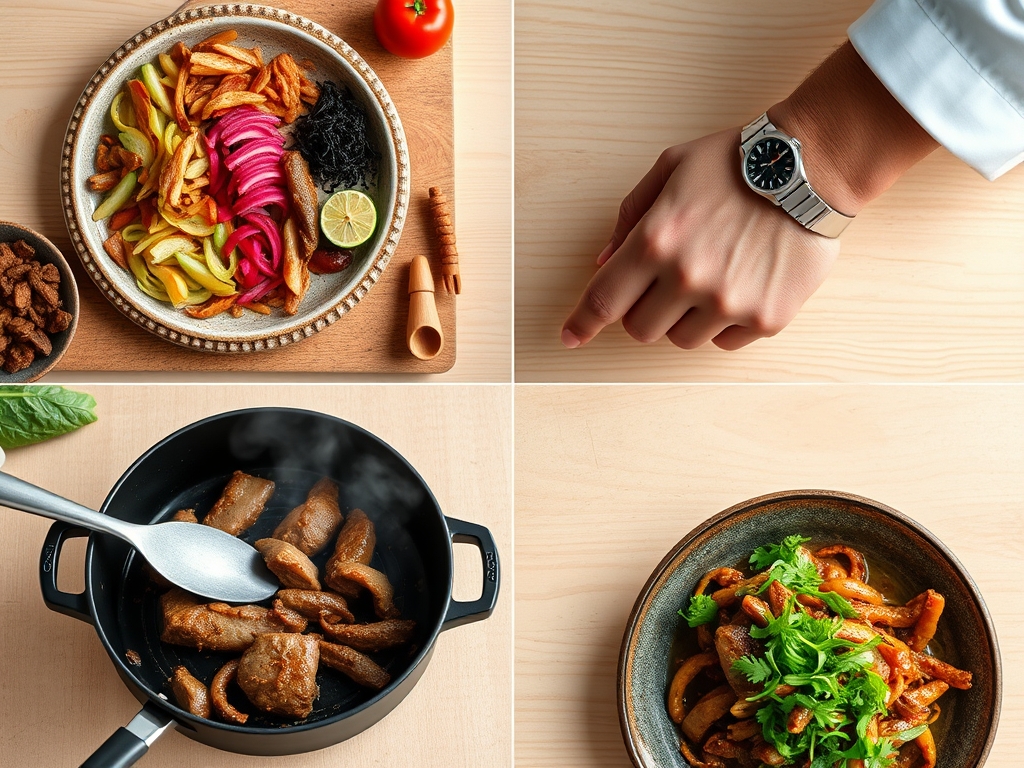
Place your heavy-bottomed skillet over medium-high heat until a drop of water flicked onto the surface dances and evaporates instantly. Add a high-smoke-point oil, then lay the beef strips in a single layer. Do not crowd the pan. Let them sit undisturbed for 90 seconds to develop a deep brown crust.
Pro Tip: This is the Maillard reaction in action. By leaving the meat still, you allow the amino acids and reducing sugars to create complex new flavor compounds and a savory crust.
2. Aromatics and Infusion
Once the beef is browned, use tongs to toss in your grated ginger and garlic. Stir constantly for 30 seconds until the scent fills the room. You are looking for a golden hue, not a dark brown, which would indicate bitterness.
Pro Tip: Aromatics are fat-soluble. Sautéing them briefly in the rendered beef fat allows the flavor compounds to aerate and permeate the entire dish rather than staying trapped in the solids.
3. The Deglaze
Pour your prepared sauce mixture into the pan. Use a wooden spoon to scrape up any browned bits stuck to the bottom of the skillet. These bits, known as fond, are concentrated flavor bombs that will enrich your sauce.
Pro Tip: Deglazing the pan incorporates the fond back into the liquid, creating a cohesive flavor profile and preventing the bottom of your pan from burning.
4. The Emulsification
Add the cooked ramen noodles directly into the skillet. Use your tongs to lift and swirl the noodles, ensuring every strand is coated in the bubbling sauce. The sauce should thicken and turn glossy as it reduces.
Pro Tip: The residual starch on the noodles acts as a natural thickener. As it combines with the fats in the pan, it creates a stable emulsion, resulting in that signature silky takeout texture.
The Deep Dive:
From a macro perspective, this dish is a powerhouse of protein and complex carbohydrates. One serving typically provides 35 grams of protein and 45 grams of carbohydrates. To optimize the nutrition, load up on "volume eaters" like bok choy or snap peas, which add fiber without significantly increasing the caloric density.
Dietary Swaps:
- Vegan: Replace the beef with pressed, cubed extra-firm tofu or sliced shiitake mushrooms. Use a mushroom-based "oyster" sauce for that deep umami hit.
- Keto: Swap the ramen for shirataki noodles or spiralized zucchini. Replace the mirin with a touch of rice vinegar and a keto-friendly sweetener.
- GF: Use tamari and certified gluten-free brown rice ramen.
The Fix-It:
- Tough Beef: If the meat is chewy, you likely sliced with the grain or overcooked it. Next time, use a digital scale to ensure even portions and pull the meat the moment it hits 135 degrees Fahrenheit.
- Gummy Noodles: This happens when noodles sit in water too long. Shock them in cold water immediately after boiling to stop the cooking process.
- Bland Sauce: Your sauce lacks "brightness." Add a squeeze of fresh lime juice or a teaspoon of rice vinegar at the very end to cut through the salt.
Meal Prep Science:
To maintain "day-one" quality, store the beef and sauce separately from the noodles if possible. When reheating, add a tablespoon of water or beef bone broth. This creates steam in the microwave, which re-hydrates the starch molecules in the noodles, preventing them from becoming brittle or dry.
The Wrap-Up:
You are now officially equipped to dominate the world of ramen beef recipes. By focusing on the Maillard reaction, mastering the art of the emulsion, and respecting the delicate nature of alkaline noodles, you have elevated a pantry staple into a culinary masterpiece. Don't be afraid to experiment with different aromatics or heat levels. Cooking is a science, but eating is an art. Now, grab your chopsticks and enjoy the fruits of your technical labor!
The Kitchen Table:
How do I make my beef extra tender?
Slice your beef against the grain into very thin strips. You can also "velvet" the meat by tossing it in a small amount of cornstarch and baking soda for 15 minutes before searing to break down tough proteins.
Can I use instant ramen noodles?
Yes, just discard the seasoning packet. Boil the noodles for one minute less than the package directions so they stay firm when you toss them in the hot sauce later. This prevents a mushy final texture.
What is the best cut of beef for ramen?
Flank steak, skirt steak, or ribeye are the best choices. These cuts have enough fat to stay juicy during a high-heat sear but are tender enough to cook quickly without becoming rubbery or dry.
How do I get that glossy sauce?
The secret is a combination of sugar, starch, and fat. Ensure your sauce has a little honey or brown sugar, and use the residual starch from the noodles to create a silky, emulsified coating that clings to everything.