
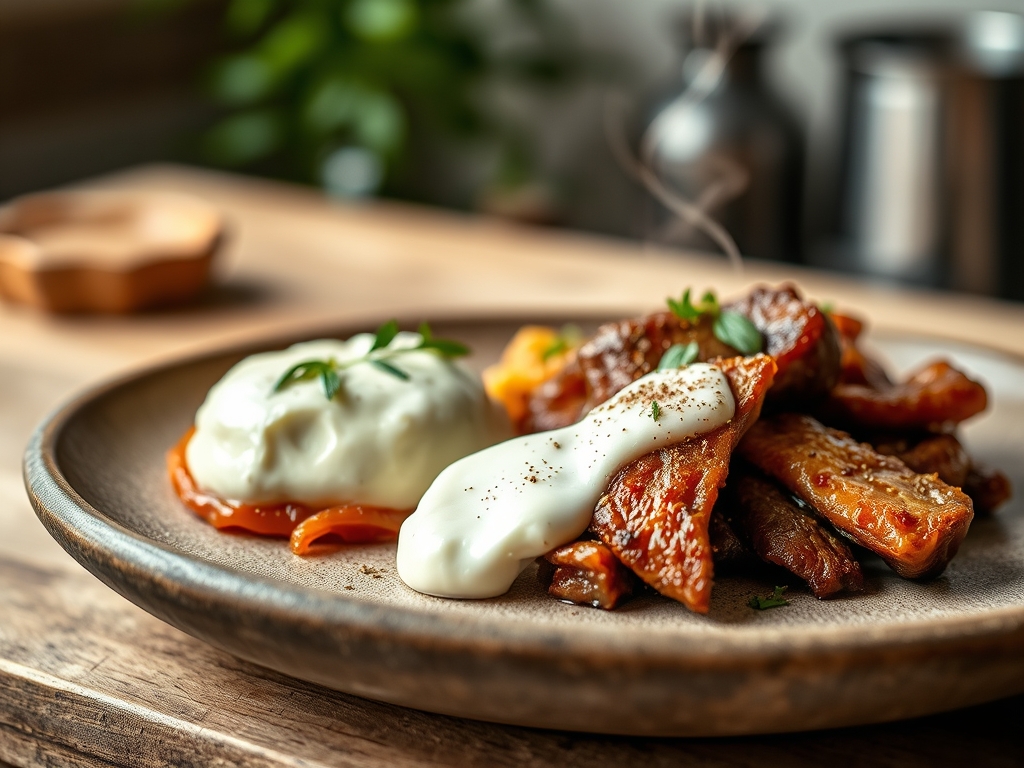
Picture the sizzle of a heavy-bottomed skillet meeting a cold-pressed ribeye; the sound is a chemical chorus of amino acids and reducing sugars reacting under intense heat. Now imagine that aggressive, savory crust yielding to a velvet cloud of tangy, cultured dairy. This is the alchemy of cream cheese and beef recipes. We are moving beyond the humble bagel and into the realm of high-end molecular synergy. The lactic acid in the cream cheese acts as a bright foil to the heavy, iron-rich profile of the beef; it is a pairing that balances fat with acidity while providing a luxurious mouthfeel that butter alone cannot achieve. Whether you are stuffing a flank steak or whisking a dollop into a pan sauce, this combination is the secret weapon of modern comfort cooking.
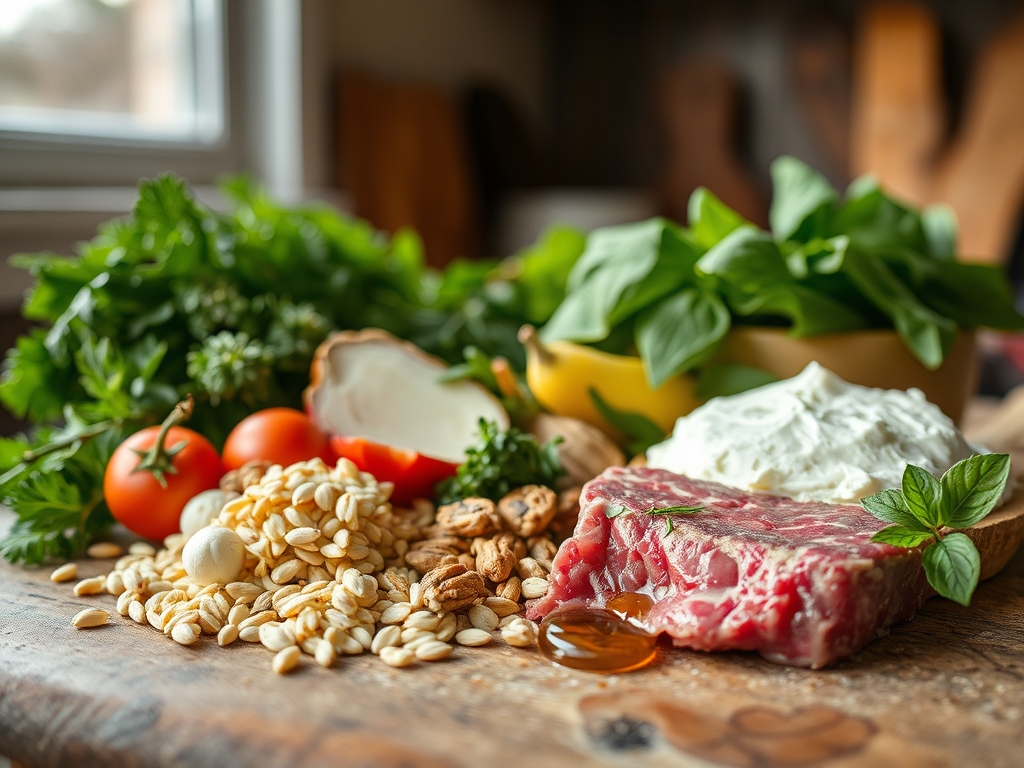
The Gathers:
To execute these cream cheese and beef recipes with precision, your mise-en-place must be immaculate. Start with your protein: look for high-marbling cuts like ribeye or flank steak for stuffing, or 80/20 ground chuck for sauces. The fat content is critical because it carries the fat-soluble flavor compounds of your aromatics. For the dairy, use full-fat, brick-style cream cheese. Whipped versions contain too much air and will break under high heat. You will also need piquant elements like capers or pickled jalapenos to cut through the density.
Smart Substitutions are your culinary insurance policy. If you find the cream cheese too heavy, substitute half of the volume with Neufchatel; it has a higher moisture content and lower fat, which provides a sharper tang. For a dairy-free approach, a cashew-based cream fermented with probiotic capsules mimics the lactic acidity perfectly. If you are out of fresh garlic, use a microplane to grate a frozen ginger knob into your beef; the protease enzymes will help tenderize the muscle fibers while adding a bright, spicy top note.
The Clock
Efficiency in the kitchen is about understanding the "Chef's Flow." For most cream cheese and beef recipes, you are looking at a 15-minute prep and a 20-minute cook time. The flow begins with "tempering" your ingredients. Take your cream cheese and your beef out of the refrigerator at least 30 minutes before cooking. This prevents "thermal shock," which causes beef fibers to seize and dairy to curdle. While the ingredients reach room temperature, use a sharp chef's knife to mince your aromatics. This staggered start ensures that by the time your skillet is smoking, your "glue" (the cheese) is soft enough to emulsify instantly into the rendered beef fats.
The Masterclass
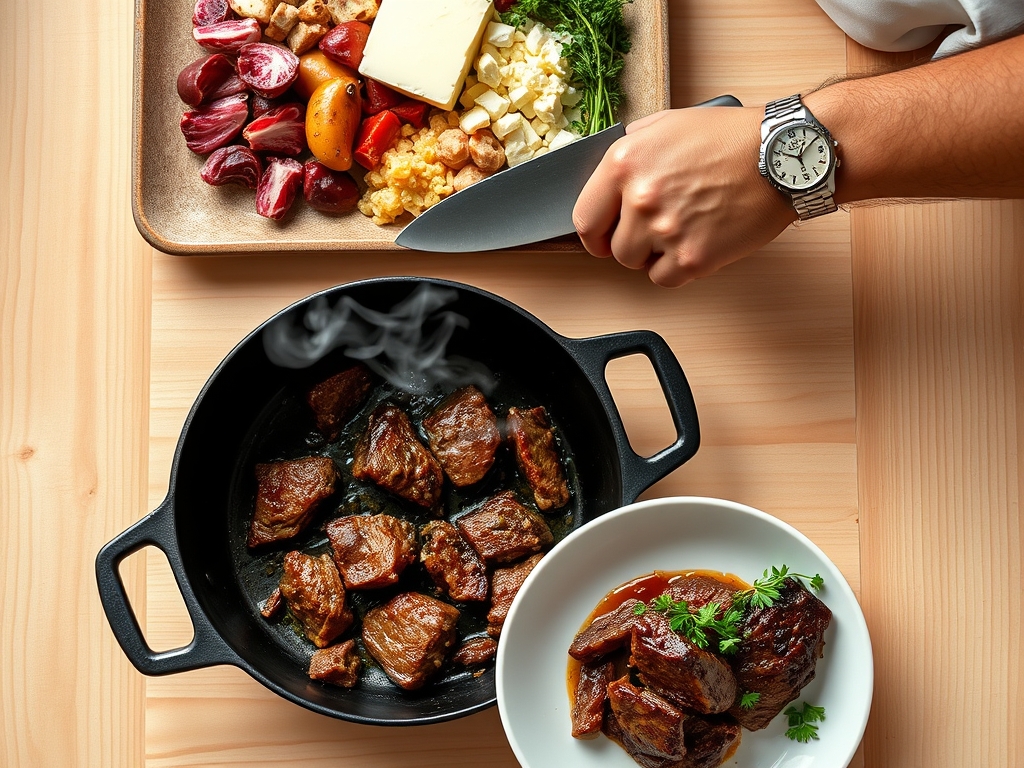
1. The Maillard Foundation
Place your beef in a preheated cast-iron skillet. Do not crowd the pan; overcrowding drops the surface temperature and leads to steaming rather than searing. Use tongs to flip the meat only once a deep, mahogany crust has formed.
Pro Tip: This is the Maillard reaction. By keeping the surface dry and the heat high, you create hundreds of new flavor compounds. If the pan is too wet, the temperature caps at 212 degrees Fahrenheit, and you lose that complex, savory depth.
2. Deglazing the Fond
Once the beef is browned, remove it and look at the brown bits stuck to the bottom. This is the "fond." Pour in a splash of beef stock or dry red wine and use a wooden spoon to scrape the bottom.
Pro Tip: Deglazing is a solvent-based extraction. The alcohol or water dissolves the caramelized proteins, incorporating them into what will become your cream cheese sauce. This ensures no flavor is wasted.
3. Tempering the Dairy
Lower the heat to a simmer before adding the cream cheese. If you add cold cheese to a boiling liquid, the proteins will tighten and clump. Whisk the cheese into the liquid using a saucier or a balloon whisk until the texture is viscous and glossy.
Pro Tip: This is an emulsion. The stabilizers in the cream cheese help bind the water-based stock with the fat-based beef drippings. Keep the heat low to prevent the emulsion from "breaking" into an oily mess.
4. The Final Infusion
Fold the beef back into the cream cheese mixture along with fresh herbs like chives or parsley. Use a digital scale to ensure your seasoning is precise; usually, 1.5 percent salt by weight is the "sweet spot" for human palates.
Pro Tip: Carryover cooking will continue to raise the internal temperature of the beef by about 5 degrees after you remove it from the heat. Pull the meat just before it reaches your target doneness to avoid a rubbery texture.
The Deep Dive
From a nutritional standpoint, cream cheese and beef recipes are a powerhouse for those on a ketogenic diet. A standard serving provides approximately 35 grams of protein and 28 grams of fat, with minimal carbohydrates. For a Gluten-Free version, simply ensure your beef stock is certified and avoid using flour as a thickener; the cream cheese itself acts as a natural hydrocolloid to thicken the sauce.
"The Fix-It" guide for common pitfalls:
- The Sauce is Grainy: This happens if the cheese was overheated. Fix it by adding a tablespoon of heavy cream and whisking vigorously off the heat to re-emulsify.
- The Beef is Tough: You likely skipped the tempering step. Next time, use a meat tenderizer or a baking soda wash (velveting) to break down tough proteins before searing.
- Too Much Grease: If the beef rendered more fat than expected, use a rolled-up paper towel held by tongs to blot the excess oil before adding the cheese.
Meal Prep and Reheating: To maintain "day-one" quality, do not microwave on high. The intense radiation causes the fat in the cream cheese to separate. Instead, reheat in a small saucepan over low heat, adding a teaspoon of water or milk to loosen the sauce and restore its original silkiness.
The Wrap-Up
Mastering the intersection of cream cheese and beef recipes is about more than just a quick dinner; it is about understanding how fat, acid, and heat dance together on the plate. When you use a microplane to zest a little lemon over the finished dish or use a bench scraper to neatly organize your prep, you are cooking with intention. This pairing is bold, unapologetic, and scientifically sound. Now, grab your favorite skillet and go create something legendary!
The Kitchen Table
Can I use low-fat cream cheese for these recipes?
Low-fat versions contain more fillers and moisture, which often cause the sauce to break or become watery under high heat. For a stable, glossy emulsion, always use full-fat brick cream cheese to ensure the proteins don't clump during the cooking process.
What is the best way to store leftovers?
Store leftovers in an airtight glass container for up to three days. Glass is non-reactive and won't absorb the fats from the beef. When reheating, use a low-heat stovetop method to prevent the dairy from separating into oil and solids.
How do I prevent the beef from getting "steamed"?
Pat the beef dry with paper towels before searing. Moisture on the surface requires energy to evaporate, which lowers the pan temperature. A dry surface allows for immediate Maillard browning, ensuring a crusty exterior and a juicy, tender interior.
Can I freeze cream cheese and beef dishes?
Freezing is not recommended for cream-based sauces. The freezing process creates ice crystals that rupture the fat globules. Upon thawing, the sauce will likely have a grainy, separated texture that is difficult to fix without heavy whisking and additional stabilizers.