
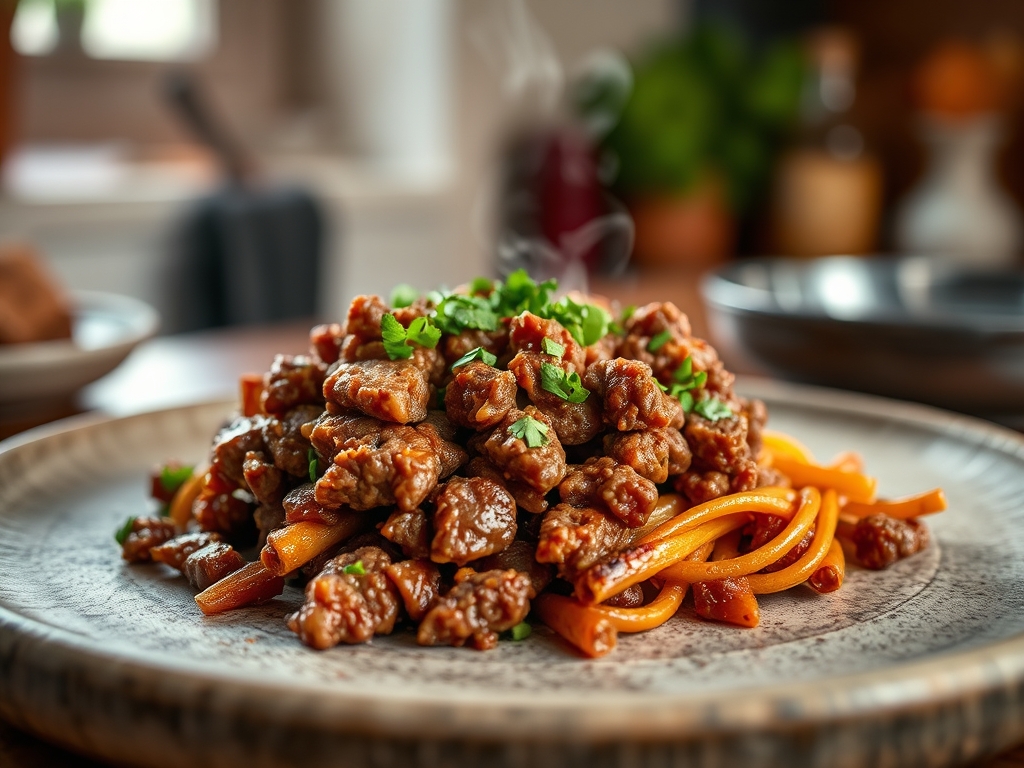
The scent of searing protein is a chemical siren song that signals the start of something spectacular. When cold fat hits a screaming hot heavy-bottomed skillet, you are not just cooking; you are conducting a symphony of amino acids and reducing sugars. Finding the best easy ground beef recipes is about more than just convenience. It is about mastering the art of the weeknight pivot without sacrificing the complex, savory depth that only high-quality beef can provide. Whether you are craving a piquant Korean bowl or a classic, viscous Bolognese, ground beef is the ultimate culinary chameleon. It absorbs aromatics with sponge-like efficiency and provides a structural foundation for countless global cuisines. We are moving beyond the basic burger into a realm where technique meets speed. By understanding how to manipulate heat and moisture, you can transform a standard pound of chuck into a gourmet experience in under thirty minutes. Let us dive into the molecular magic that makes these seven dishes the definitive staples of your kitchen repertoire.
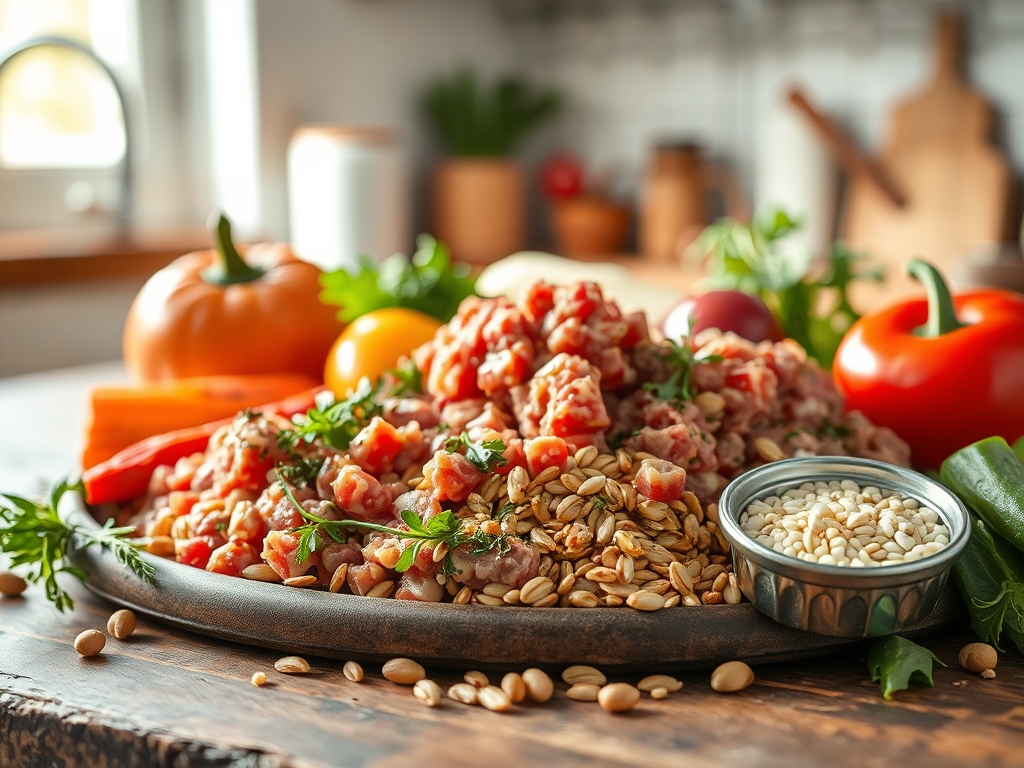
The Gathers:
To execute these best easy ground beef recipes, your mise-en-place must be precise. Start with the protein itself; look for an 80/20 lean-to-fat ratio. This specific balance ensures enough lipid content to render out and fry the meat in its own juices, creating those coveted crispy edges. You will need a sharp chef knife for a fine dice on your aromatics. Onions, garlic, and ginger are the "holy trinity" here, providing the sulfurous compounds that deepen the beef's natural profile. Keep a microplane handy for grating hard cheeses or zesting citrus to cut through the richness.
For the liquids, have a high-quality beef bone broth and a dry red wine ready to deglaze your pan. If you are looking for smart substitutions, ground turkey or chicken can work, but you must add a teaspoon of Worcestershire sauce or liquid aminos to mimic the umami depth of beef. For a plant-based swap, lentils or finely chopped mushrooms provide a similar fibrous texture. Always use a digital scale to portion your meat if you are meal prepping; consistency in mass leads to consistency in cooking times.
The Clock: Efficient Chef's Flow
Efficiency in the kitchen is about overlapping tasks, a concept known as "Chef's Flow." Most of these recipes require a ten-minute prep window and a twenty-minute cook time. While your heavy-bottomed skillet preheats, you should be dicing your vegetables. The goal is to have the meat hitting the pan just as the last onion is chopped.
Never crowd the pan. If you are doubling a recipe, cook the beef in batches. Overcrowding leads to "steaming" rather than "searing," which results in gray, rubbery meat instead of the mahogany crust we desire. While the beef browns undisturbed, use that five-minute window to whisk your sauces or boil your pasta water. By the time the meat is fully rendered, your secondary components should be ready for integration. This synchronized approach ensures that no ingredient sits idle and loses its structural integrity or temperature.
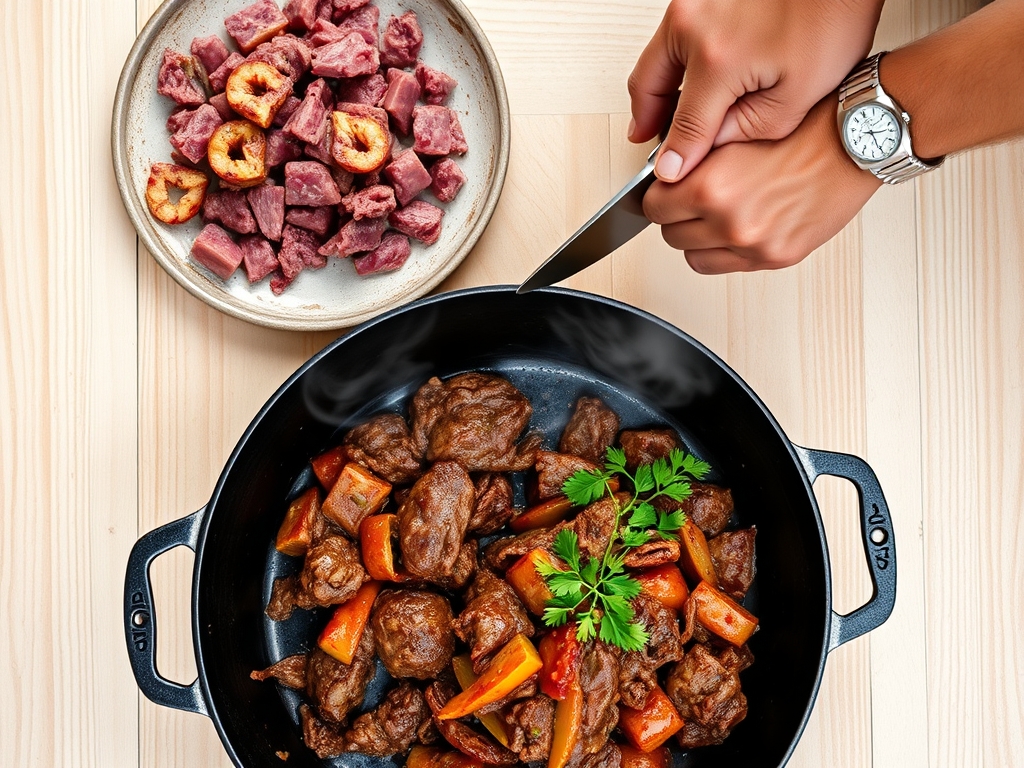
The Masterclass:
1. The High-Heat Sear
Place your beef in a preheated skillet with a tablespoon of high-smoke-point oil. Do not touch it for at least three minutes. Use a bench scraper or a stiff spatula to break it into large chunks rather than a fine crumble to preserve internal moisture.
Pro Tip: This stage relies on the Maillard Reaction. This chemical reaction between amino acids and reducing sugars occurs above 285 degrees Fahrenheit, creating hundreds of different flavor compounds that give seared meat its distinctive "roast" taste.
2. Deglazing the Fond
Once the meat is browned and removed, you will see brown bits stuck to the bottom of the pan. This is called "fond." Pour in a splash of wine, stock, or even water, and use a wooden spoon to scrape those bits back into the sauce.
Pro Tip: Deglazing is a method of solvent extraction. The liquid dissolves the caramelized proteins and sugars, incorporating that concentrated beef essence back into your final dish for a more cohesive flavor profile.
3. Emulsifying the Sauce
If your recipe calls for a sauce, such as a stroganoff or a creamy pasta, add your fats and liquids slowly. Use a saucier if possible, as the rounded bottom allows for better whisking.
Pro Tip: You are creating an emulsion, which is a stable mixture of two liquids that usually do not mix, like oil and water. Adding a splash of starchy pasta water helps bind the fats to the liquids, resulting in a silky, viscous coating.
4. Aerating the Aromatics
Push the meat to the edges of the pan and drop your garlic and spices into the center with a small amount of fat. Toast them for only thirty to sixty seconds until they become fragrant.
Pro Tip: This is called blooming. Many flavor compounds in spices are fat-soluble. By heating them in oil, you "unlock" these volatile organic compounds, allowing them to infuse the entire dish more effectively than if they were stirred into a liquid.
5. The Final Rest
Once the heat is turned off, let the dish sit for three to five minutes before serving. This is especially important for meatloaves or thick sauces.
Pro Tip: This accounts for thermal carryover. The internal temperature will continue to rise by about five degrees after being removed from the heat source. Resting also allows the protein fibers to reabsorb moisture, ensuring the beef remains succulent.
The Deep Dive:
Macro Nutrition
Ground beef is a nutritional powerhouse, offering high-density protein, Vitamin B12, and Zinc. An 80/20 blend typically contains about 20 grams of protein and 17 grams of fat per 4-ounce serving. To lean into a healthier profile, you can drain the excess fat after browning, which can reduce the caloric density by up to 30 percent.
Dietary Swaps
For those following a Keto lifestyle, replace pasta with zoodles or spaghetti squash; the high fat content of the beef makes it an ideal keto staple. For Gluten-Free needs, ensure your soy sauce is replaced with tamari and use cornstarch instead of flour as a thickening agent. For Vegan guests, a mix of walnuts and minced mushrooms sauteed with smoked paprika offers a surprisingly "beefy" mouthfeel.
The Fix-It: Technical Troubleshooting
- Problem: The meat is swimming in liquid and won't brown. The Fix: You likely overcrowded the pan. Drain the liquid into a bowl, turn the heat to high, and add the meat back in small batches.
- Problem: The sauce is too thin. The Fix: Create a "slurry" by mixing equal parts cold water and cornstarch, then whisk it into the simmering sauce.
- Problem: The beef tastes "flat" or one-dimensional. The Fix: You need acid. Add a teaspoon of lemon juice or apple cider vinegar to brighten the flavors and cut through the fat.
Meal Prep: The Reheating Science
To maintain "day-one" quality, reheat your beef dishes with a splash of water or stock. Cover the dish tightly to create a steam chamber. This prevents the proteins from becoming "rubbery" through dehydration. If using a microwave, use 70 percent power to avoid overcooking the outer edges before the center is warm.
The Wrap-Up:
Mastering the best easy ground beef recipes is your ticket to culinary freedom. By understanding the science of the sear and the importance of deglazing, you have elevated a humble ingredient into a professional-grade meal. Remember that cooking is a sensory experience; listen for the sizzle, watch for the color change, and smell the aromatics as they bloom. Your kitchen is your laboratory, and these techniques are the tools that ensure success every single time. Now, grab your favorite skillet and go create something delicious!
The Kitchen Table:
Why does my ground beef turn gray instead of brown?
Gray meat occurs when the pan is not hot enough or is overcrowded. This causes the meat to steam in its own moisture. To fix this, cook in smaller batches and ensure the oil is shimmering before adding the protein.
Is it safe to cook ground beef from frozen?
Yes, but it is not ideal for texture. Cooking from frozen prevents the Maillard reaction, leading to a tougher result. For the best flavor, thaw the beef in the refrigerator overnight to allow for even heat distribution during the sear.
How can I make my ground beef recipes less greasy?
After browning the meat, tilt the skillet and use a spoon or a crumpled paper towel held with tongs to remove excess fat. You can also rinse the cooked crumbles under hot water, though this removes significant flavor.
What is the best way to store leftover ground beef?
Store leftovers in an airtight glass container for up to four days. For longer storage, freeze the cooked meat in a vacuum-sealed bag. This prevents oxidation and freezer burn, maintaining the beef's structural integrity for future meals.