
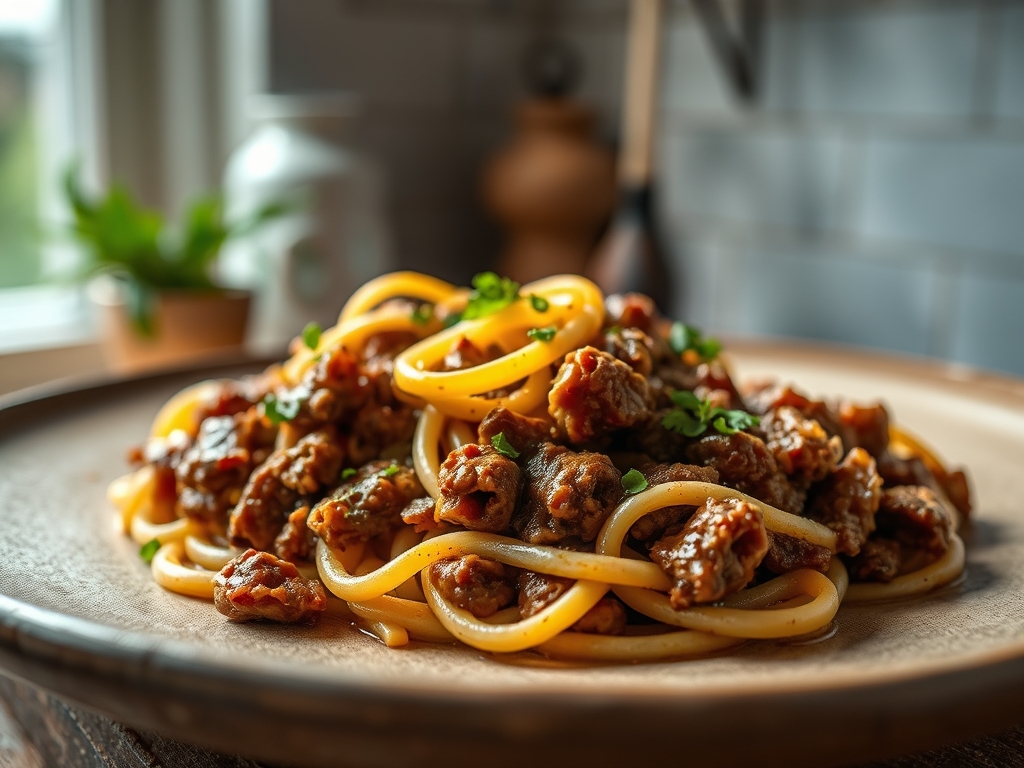
Imagine the scent of onions hitting a hot, heavy-bottomed skillet; it is the universal signal that something incredible is about to happen. When you are craving comfort but lack the hours for a slow-braised ragu, these ten minced beef recipes with pasta deliver high-impact flavor through efficient chemistry. We are talking about savory, glossy sauces that cling to every ridge of your rigatoni.
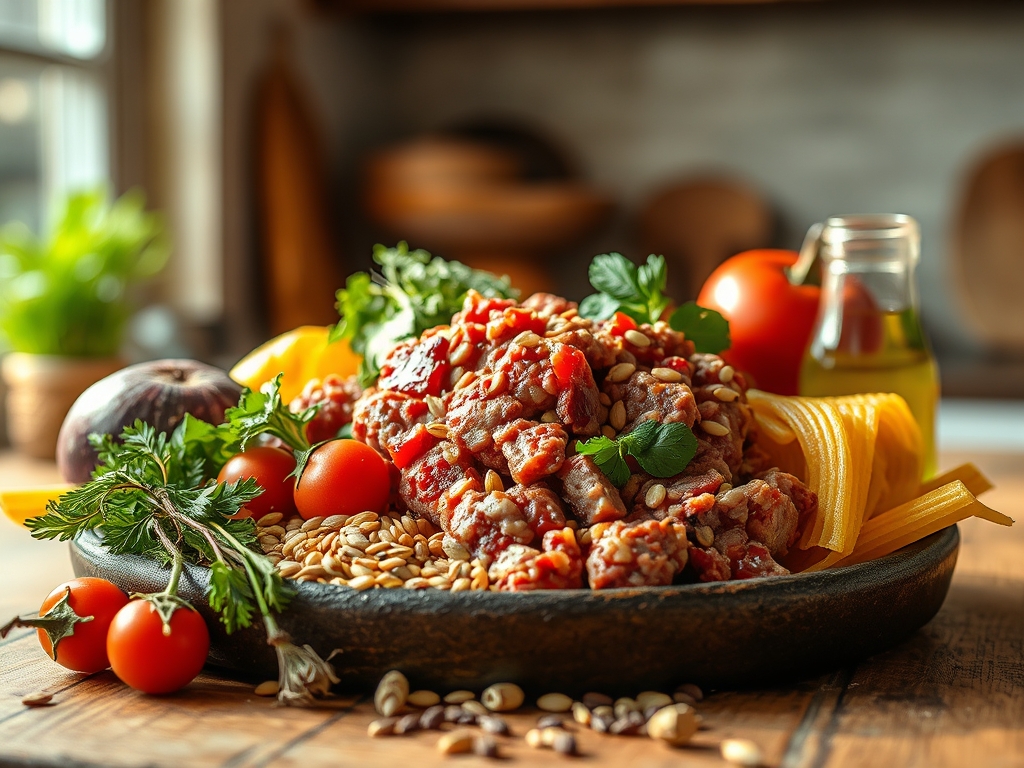
The Gathers:
To achieve a restaurant-grade finish, your mise-en-place must be precise. Start with a high-quality ground chuck, ideally an 80/20 lean-to-fat ratio. This fat content is not just for flavor; it provides the lipids necessary to render and create a velvety mouthfeel. You will need a microplane for grating hard cheeses like Pecorino Romano into a fine snow, which allows for instant melting into your sauce.
Collect your aromatics: yellow onions for sweetness, garlic for pungency, and perhaps a pinch of red pepper flakes for a piquant kick. For the pasta, choose shapes with high surface area like fusilli or conchiglie to trap the meat.
Smart Substitutions:
If you want to lighten the profile, swap half the beef for finely minced cremini mushrooms. Mushrooms contain high levels of guanylate, which works synergistically with the glutamate in beef to amplify the savory umami profile. For a gluten-free approach, use a high-protein chickpea pasta, but remember to reduce your boiling time by two minutes to avoid a grainy texture.
The Clock:
Efficiency in the kitchen is about mastering the Chef's Flow. This is the art of overlapping tasks to minimize downtime.
Prep Time: 15 Minutes. Use a sharp bench scraper to clear your cutting board quickly. Chop your aromatics while the water reaches a rolling boil.
Cook Time: 20 Minutes. The beef should hit the pan the moment the pasta enters the water.
The goal is for the pasta to reach an al dente state exactly when the sauce has achieved its peak viscous consistency. This synchronization ensures the starch on the pasta surface is still active when you combine the two components.
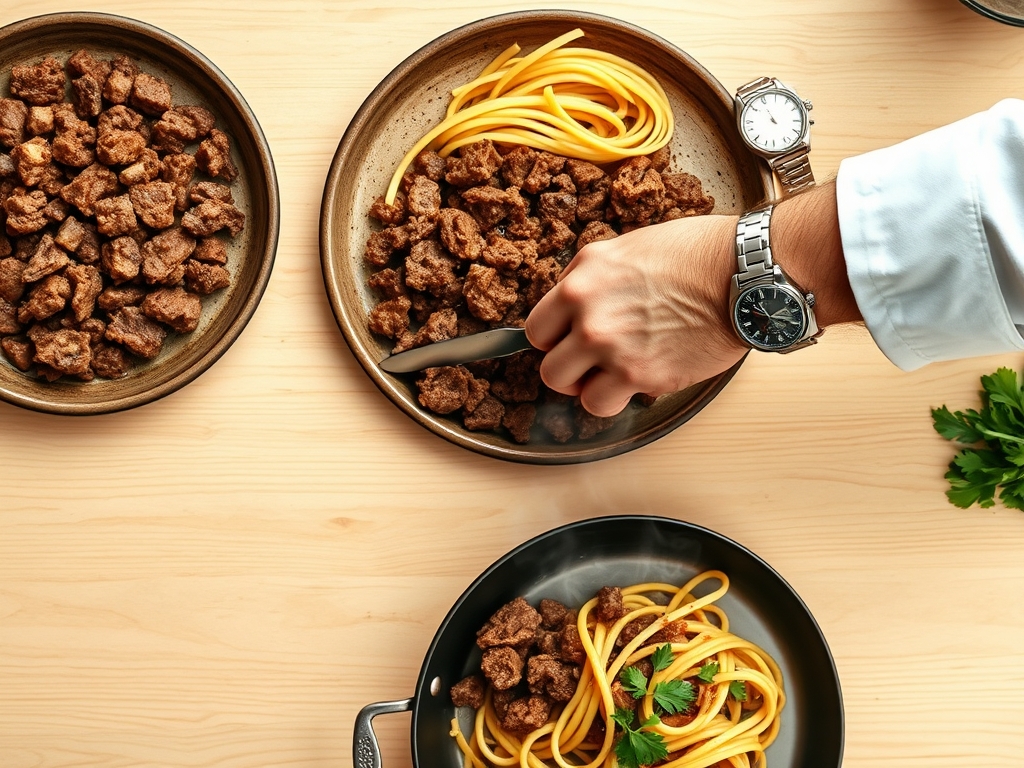
The Masterclass:
1. The Sear and Maillard Reaction
Place your beef in a preheated heavy-bottomed skillet. Do not crowd the pan; moisture must evaporate quickly to allow the temperature to rise above 285 degrees Fahrenheit. This is where the Maillard reaction occurs, rearranging amino acids and sugars into hundreds of complex flavor compounds.
Pro Tip: Avoid stirring the meat constantly. Let it sit undisturbed for three minutes to develop a deep brown crust. This crust is concentrated flavor that will later infuse the entire sauce.
2. Deglazing the Fond
Once the meat is browned, remove it and sauté your aromatics in the residual fat. You will notice brown bits stuck to the bottom of the pan; this is the fond. Pour in a splash of dry red wine or beef stock to deglaze.
Pro Tip: Use a wooden spoon to scrape the bottom. The liquid acts as a solvent, lifting the caramelized proteins and incorporating them back into the liquid phase for a deeper color and taste.
3. Emulsifying the Sauce
Add your tomato base or cream and bring to a simmer. As the pasta finishes, use tongs to transfer it directly from the water into the skillet. Add a half-cup of the starchy pasta water.
Pro Tip: The starch in the water acts as an emulsifier. When agitated with the fats in the sauce, it creates a stable emulsion, preventing the oil from separating and ensuring the sauce coats the pasta evenly.
The Deep Dive:
Macro Nutrition
A standard serving of these minced beef recipes with pasta provides approximately 35 grams of protein and 45 grams of complex carbohydrates. To optimize the nutrient density, incorporate leafy greens like spinach or kale during the last sixty seconds of cooking.
Dietary Swaps
- Vegan: Replace beef with a walnut and lentil crumble and use nutritional yeast for a cheesy finish.
- Keto: Swap traditional pasta for zoodles or shirataki noodles. Ensure you use a sugar-free marinara to keep the glycemic index low.
- GF: Opt for brown rice pasta, which holds its structural integrity better than corn-based alternatives under high heat.
The Fix-It: Common Pitfalls
- The Sauce is Too Runny: Your heat is too low. Increase the flame to high and toss the pasta vigorously. This encourages evaporation and helps the starch bind the liquid.
- The Meat is Tough: You likely boiled the meat in its own juices. Ensure the pan is screaming hot before the beef hits the surface to sear rather than steam.
- The Pasta is Bland: You didn't salt the water. The water should be as salty as the sea to properly season the pasta from the inside out.
Meal Prep: Reheating Science
To maintain "day-one" quality, store the sauce and pasta separately if possible. If already mixed, reheat with a tablespoon of water or broth. This replaces the moisture lost to retrogradation, a process where starch molecules recrystallize and become hard when cold. Use a low power setting on the microwave to avoid breaking the fat emulsion.
The Wrap-Up:
Mastering minced beef recipes with pasta is about more than just tossing ingredients in a pan; it is a lesson in heat management and molecular binding. By focusing on the sear, the deglaze, and the final emulsion, you transform humble pantry staples into a sophisticated feast. Grab your saucier, trust the science, and get cooking!
The Kitchen Table:
Why does my ground beef release so much water?
This usually happens if the pan is not hot enough or is overcrowded. The temperature drops, causing the cell walls in the meat to collapse and release moisture before it can evaporate, effectively steaming the beef instead of searing it.
Can I use a different meat for these recipes?
Absolutely. Ground turkey, lamb, or pork work beautifully. However, since turkey is leaner, you may need to add a tablespoon of olive oil to the pan to facilitate the same level of browning and prevent sticking.
What is the best pasta shape for minced beef?
Look for shapes with "nooks and crannies" like orecchiette, radiatori, or pipe rigate. These shapes are designed to capture the small bits of beef and thick sauce, ensuring you get a perfect ratio in every single bite.
How do I make the sauce extra glossy?
The secret is a "monte au beurre" finish. Turn off the heat and stir in a cold pat of butter or a handful of finely grated Parmesan. The cold fat creates a silky, reflective coating that elevates the dish's presentation.
How long does cooked beef pasta last in the fridge?
When stored in an airtight container, it remains safe and delicious for three to four days. The flavors often deepen by day two as the aromatics continue to meld and penetrate the pasta fibers.