
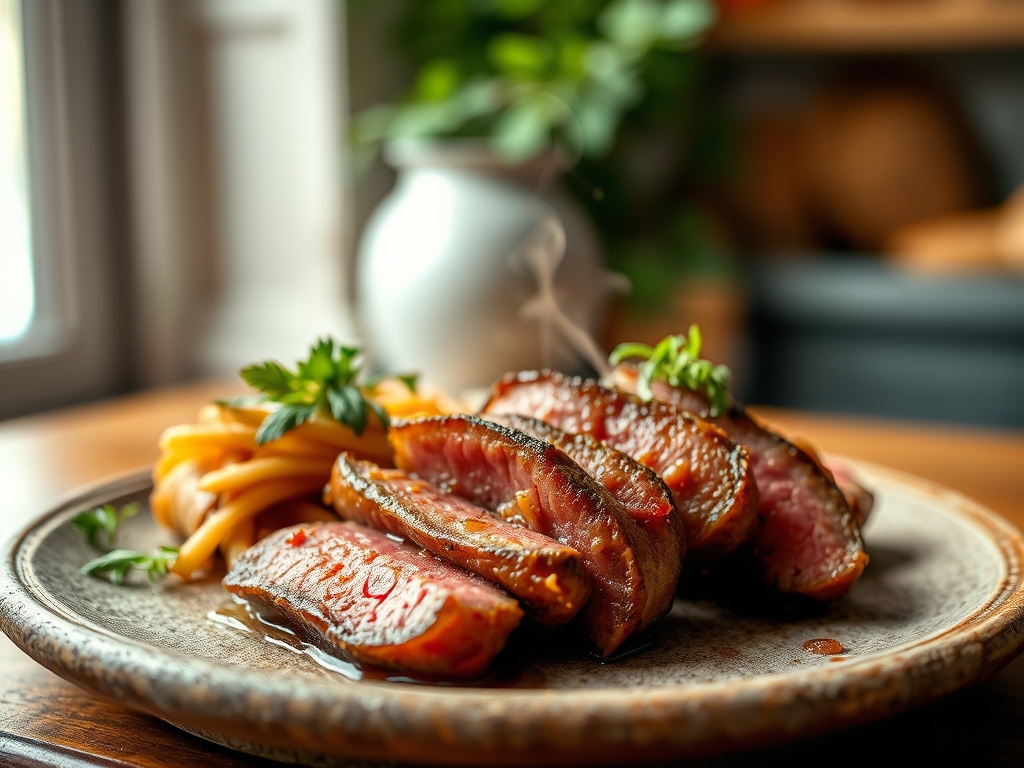
Imagine a steam clouded kitchen where the air is heavy with the scent of cloves, black peppercorns, and the deep, primal aroma of slow cured brisket. You are standing over a bubbling pot, waiting for that moment when the fibers of the meat finally surrender to the heat, becoming so tender they practically melt at the suggestion of a fork. Mastering salt beef recipes is not just about following a set of instructions; it is about conducting a symphony of brine, time, and temperature. Whether you are piling it high on rye bread with a smear of piquant mustard or serving it alongside root vegetables, the goal is a perfect balance of salt and silkiness. This is the ultimate comfort food for the intellectually curious cook. It is a dish that demands patience but rewards you with a flavor profile that is both complex and deeply satisfying. We are going to dive into the molecular magic that turns a tough cut of beef into a legendary centerpiece, ensuring your next Sunday dinner is nothing short of iconic.
The Gathers:
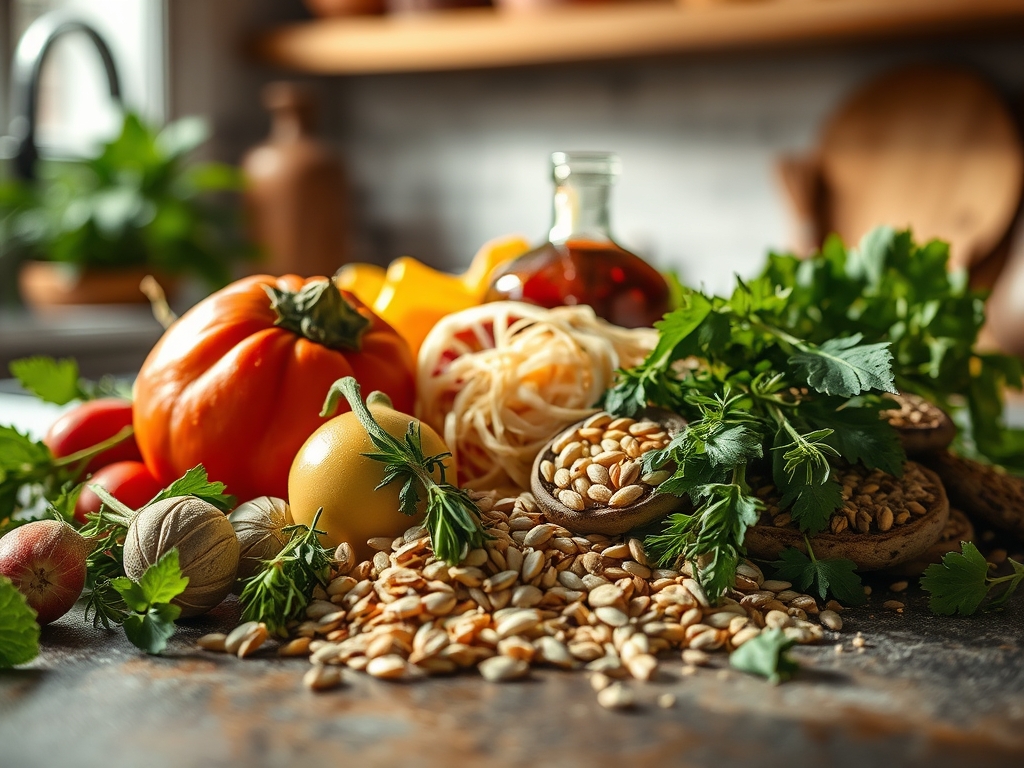
To achieve the perfect result, your mise-en-place must be precise. Start with a five pound beef brisket, ideally the "point" cut for its higher fat content which will render beautifully during the long simmer. You will need a digital scale to measure your curing salt accurately; precision here is non-negotiable for food safety and flavor balance. Your aromatics should include fresh bay leaves, toasted coriander seeds, yellow mustard seeds, and a handful of black peppercorns. Use a microplane to zest a bit of fresh ginger into the brine for a hidden layer of brightness.
Smart Substitutions: If you cannot find pink curing salt (Prague Powder #1), do not attempt to replace it with celery salt for the cure; instead, focus on a fresh-brine method using high-quality sea salt, though the meat will be grey rather than pink. For the aromatics, if you lack whole cloves, a cinnamon stick provides a similar warm, woody base. Always use filtered water to ensure no chlorine interference with the osmosis process during the five-day cure.
The Clock:
The "Chef's Flow" for salt beef is a marathon, not a sprint. You must account for a 5 to 7 day curing period in the refrigerator. This is the passive phase where the salt penetrates the cellular structure of the meat. On the day of cooking, expect a 15 minute active prep time to rinse the meat and prepare the pot. The simmering process takes between 3 to 4 hours depending on the thickness of the brisket. Finally, allow for a 20 minute resting period. Total active labor is low, but the temporal investment is significant to allow for the denaturation of tough collagen fibers.
The Masterclass:
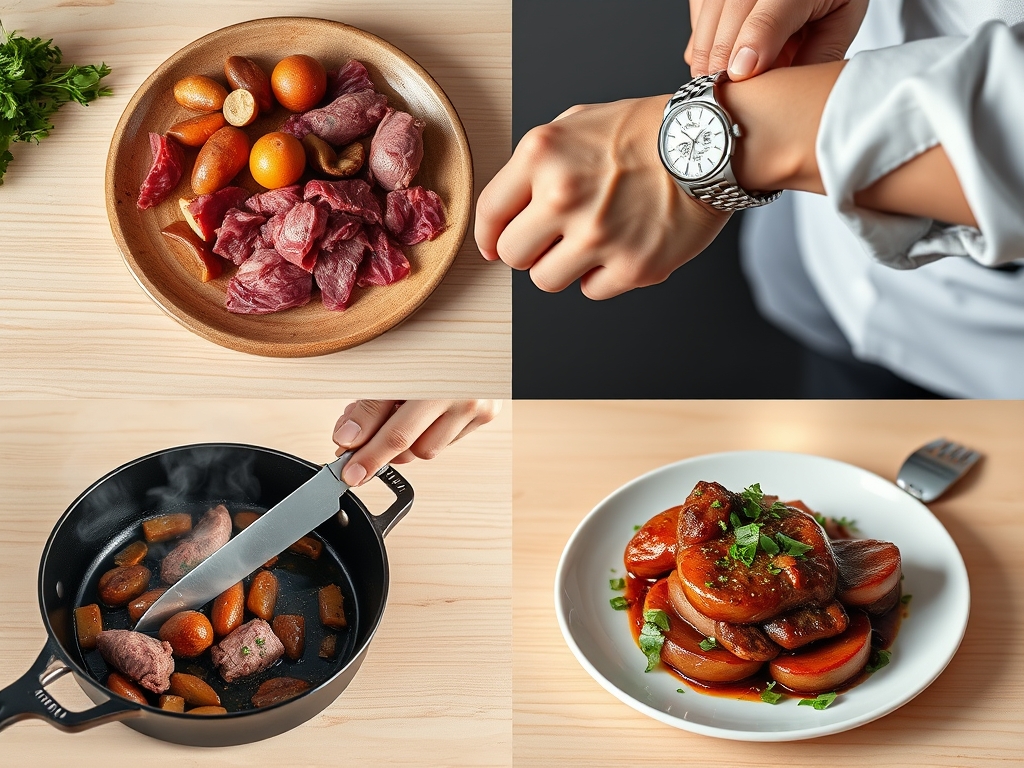
1. The Brine Infusion
Combine your salts, sugar, and toasted spices in a large saucier with a quart of water. Heat until dissolved, then cool completely before submerged the brisket. Use a heavy plate to keep the meat under the surface.
Pro Tip: This stage relies on osmotic pressure. The salt solution moves into the meat cells while drawing out excess moisture, which eventually re-absorbs, carrying the spice flavors deep into the center of the muscle.
2. The Thorough Rinse
After the curing week, remove the beef and rinse it under cold running water. Use a bench scraper to remove any excess spice paste clinging to the surface.
Pro Tip: Rinsing is vital to prevent the exterior from becoming overly saline. If you skip this, the surface tension of the cooking liquid will trap too much salt, ruining the final flavor balance.
3. The Low and Slow Simmer
Place the beef in a heavy-bottomed skillet or a deep Dutch oven. Cover with fresh water and add a new batch of aromatics. Bring to a boil, then immediately drop to a whisper of a simmer.
Pro Tip: Maintaining a temperature of roughly 190 degrees Fahrenheit is crucial. This allows for collagen conversion into gelatin without boiling the proteins into a rubbery, dry mess.
4. The Texture Check
Use tongs to gently lift the meat. It should feel heavy and have a slight "wobble." Use a probe thermometer to check for an internal temperature of 205 degrees Fahrenheit.
Pro Tip: We aim for this high temperature because it is the "sweet spot" where connective tissue fully liquefies, providing that signature viscous mouthfeel that defines world-class salt beef.
5. The Rest and Carve
Transfer the beef to a cutting board and tent loosely with foil. Wait at least 20 minutes before slicing against the grain.
Pro Tip: This accounts for thermal carryover. The internal temperature will continue to rise slightly, and the muscle fibers will relax, allowing them to reabsorb the internal juices rather than losing them to the board.
The Deep Dive:
Macro Nutrition: Salt beef is a protein powerhouse, offering roughly 25g of protein per 4-ounce serving. However, it is high in sodium and saturated fats. Balancing a serving with fermented vegetables like sauerkraut provides probiotics that aid in the digestion of the dense proteins.
Dietary Swaps: For a Keto-friendly version, replace the sugar in the brine with an erythritol blend. For a Gluten-Free experience, ensure your mustard and spices are certified. While "vegan salt beef" is an oxymoron, sliced and brined watermelon or seitan can be treated with the same spice profile to mimic the piquant aromatics.
The Fix-It:
- Meat is too salty: If the finished product is a salt bomb, slice it and soak the slices in warm water for 10 minutes to leach out excess sodium.
- Meat is tough: This means the collagen hasn't broken down. Return it to the pot and simmer for another 45 minutes; time is the only cure for toughness.
- Meat is dry: This usually happens from boiling too hard. Serve with a splash of the cooking liquid (pot liquor) to aerate and rehydrate the fibers.
Meal Prep: To maintain "day-one" quality, store the beef in its own cooking liquid. When reheating, use a steamer basket rather than a microwave. Steaming prevents the fats from over-rendering and keeps the meat moist and supple.
The Wrap-Up:
You have now unlocked the secrets to one of the most soulful salt beef recipes in the culinary canon. By understanding the science of the brine and the patience of the simmer, you have elevated a humble brisket into a masterpiece of texture and taste. Remember to use your tongs with confidence and always slice against the grain to ensure every bite is as tender as possible. Now, grab the mustard, find the best rye bread in town, and enjoy the fruits of your scientific labor. Your kitchen is now a temple of tradition.
The Kitchen Table:
How do I know when the beef is done?
The beef is ready when it reaches an internal temperature of 205 degrees Fahrenheit. It should be "fork-tender," meaning a fork slides in and out of the thickest part with zero resistance. The meat will have a slight, gelatinous wobble.
Can I cook salt beef in a slow cooker?
Yes, you can use a slow cooker on the low setting for 8 to 10 hours. Ensure the meat is fully submerged in liquid to prevent the top from drying out and to maintain consistent heat for collagen breakdown.
Why is my salt beef grey instead of pink?
The pink color comes from sodium nitrite (Prague Powder #1). If you used only standard sea salt or Kosher salt, the meat will turn a natural grey color. It is still safe to eat and tastes similar, but lacks the classic hue.
How long does cooked salt beef last?
Cooked salt beef will stay fresh in the refrigerator for up to five days when stored in an airtight container. For the best texture, store it submerged in a small amount of its own cooking liquid to prevent oxidation and drying.