
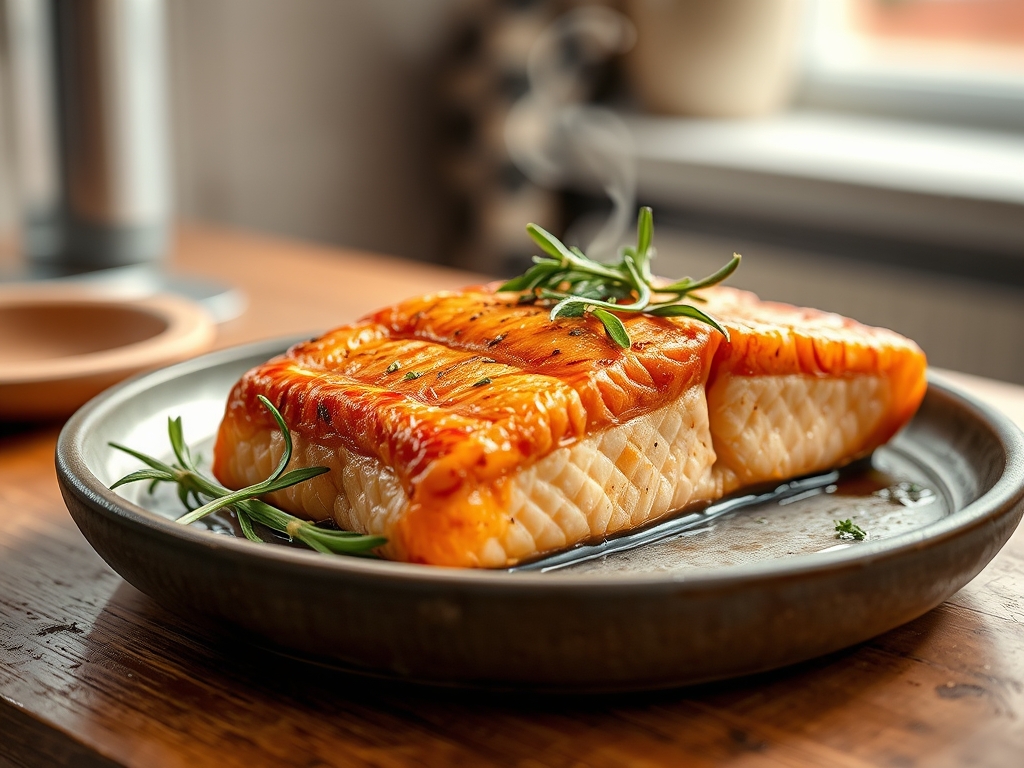
Picture a heavy bottomed stainless steel skillet humming on the stovetop while a cold fillet of Atlantic salmon meets the shimmering oil. The sound is a violent, glorious crackle as the skin undergoes a rapid transformation from translucent protein to a glass like mahogany lattice. We have all scrolled through endless threads searching for the best salmon recipes reddit users actually swear by; those rare gems that move beyond basic baking into the realm of professional gastronomy. This is not just about dinner. This is about the physics of heat transfer and the chemistry of the Maillard reaction. We are diving into the collective wisdom of thousands of home cooks and professional chefs who have stress tested these methods in real time. By the time we are finished, you will understand exactly how to manipulate moisture and temperature to achieve that elusive, buttery interior that flakes at the mere suggestion of a fork. Grab your apron because we are about to turn your kitchen into a high end bistro.
The Gathers:
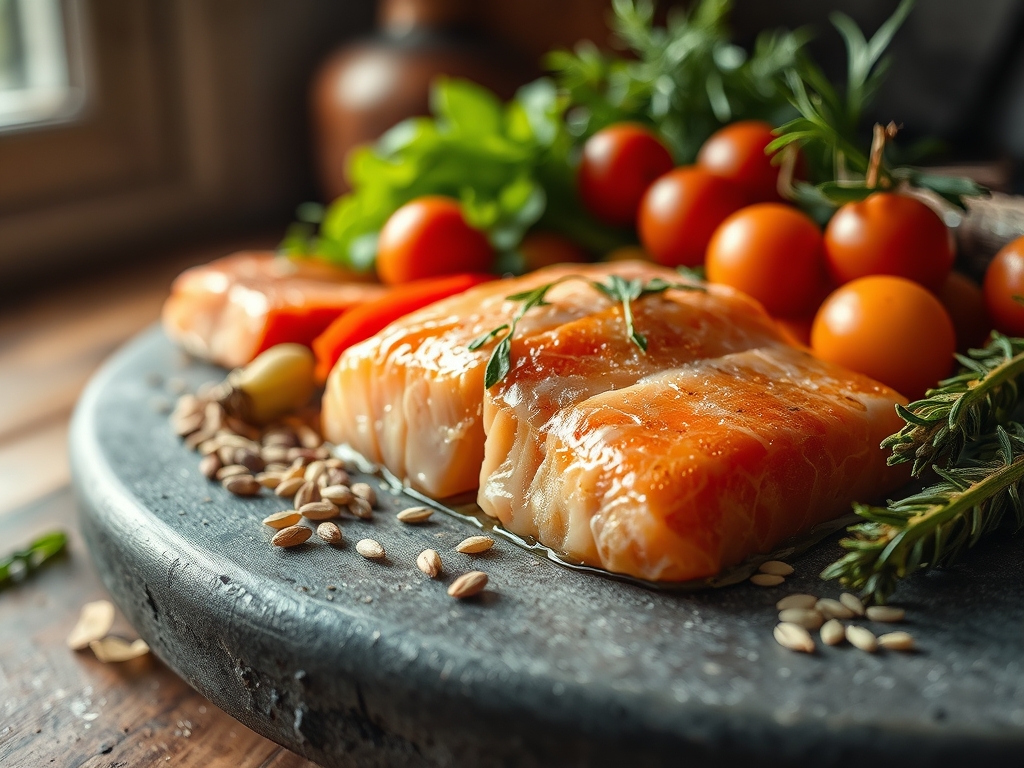
To execute the best salmon recipes reddit has to offer, your mise en place must be precise. Start with center cut fillets, ideally six to eight ounces each. You will need high smoke point fats; think avocado oil or clarified butter (ghee) rather than extra virgin olive oil, which will smoke and turn bitter before the skin is crisp. For the aromatics, gather fresh thyme, garlic cloves with the skins still on for a mellow infusion, and a piquant lemon.
Scientific sensory language matters here. Your salt should be Diamond Crystal Kosher for its specific crystal density, allowing for even distribution without over salting. You will also need a viscous honey or maple syrup if you are aiming for a glaze, and high quality soy sauce for that deep umami backbone.
Smart Substitutions:
If you are avoiding soy, coconut aminos offer a similar salty sweet profile with less sodium. If fresh herbs are unavailable, a pinch of dried tarragon provides a sophisticated, anise like aroma that cuts through the fatty richness of the fish. Always use a microplane to zest your citrus; this ensures you capture the essential oils in the flavedo without hitting the bitter white pith.
The Clock: Chef's Flow
Efficiency in the kitchen is about managing the "Chef's Flow." Total active prep time for these methods is roughly 10 minutes, with a cook time ranging from 6 to 12 minutes depending on the thickness of the fillet.
The flow begins with the "Temper Phase." You must pull your salmon from the refrigerator 20 minutes before cooking. If you drop a fridge cold piece of fish into a hot pan, the muscle fibers will contract violently, squeezing out moisture and leaving you with a tough, dry result. While the fish tempers, you prep your glaze or dry rub. The "Active Phase" involves the sear and the basting, followed by a mandatory 3 to 5 minute "Rest Phase." This rest allows the internal juices to redistribute, ensuring every bite is succulent rather than leaking all over the plate.
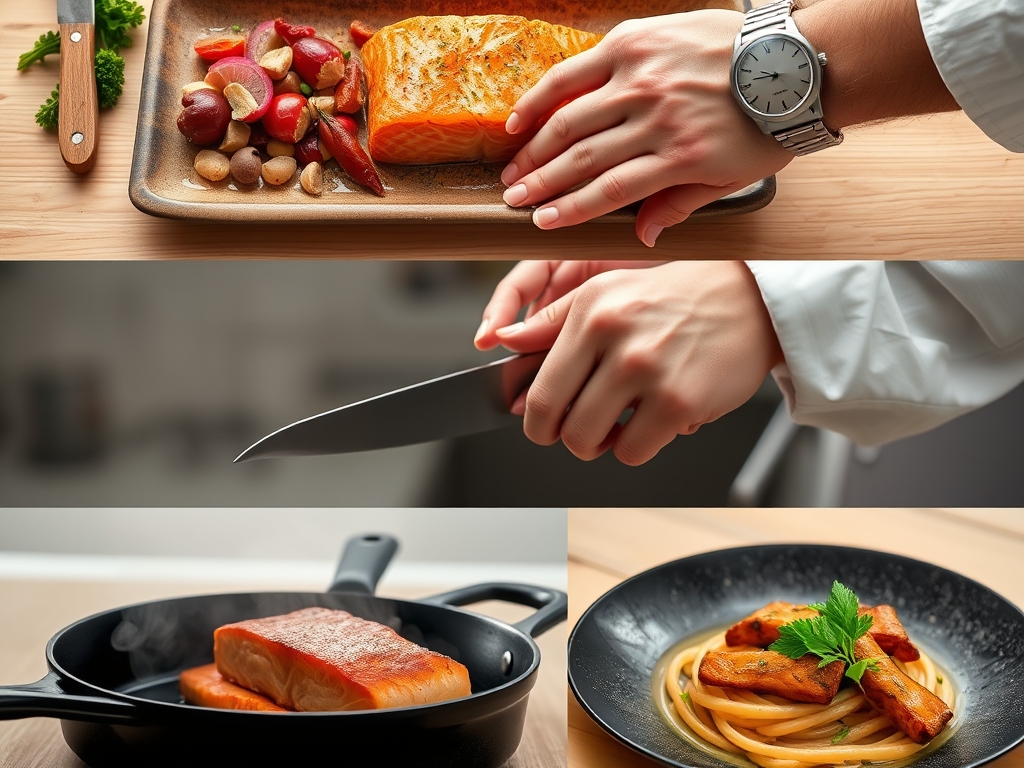
The Masterclass:
1. The Desiccation Ritual
The secret to the best salmon recipes reddit enthusiasts share is moisture control. Use a paper towel to press firmly onto the skin and flesh. The surface must be bone dry.
Pro Tip: This is about evaporative cooling. If the skin is wet, the pan's energy is wasted turning water into steam rather than browning the fish. Dry skin equals an immediate sear.
2. The Cold Start Hybrid
Place the salmon skin side down in a cold, heavy bottomed skillet with a tablespoon of oil, then turn the heat to medium high. This allows the fat under the skin to render slowly as the pan heats up.
Pro Tip: This technique prevents the protein from "shocking" and curling. As the fat renders, it fries the skin in its own lipids, creating a texture like parchment crackers.
3. The Weight Application
Once the fish is in the pan, use a flexible fish spatula or even a heavy press to hold the fillet down for the first 60 seconds.
Pro Tip: Proteins tend to contract and arch when they hit heat. Pressing ensures maximum surface contact, which facilitates an even Maillard reaction across the entire skin surface.
4. The Butter Baste (Arrosage)
When the salmon is 70 percent cooked, toss in a knob of butter, crushed garlic, and thyme. Tilt the pan and use a large spoon to bathe the fish in the foaming fat.
Pro Tip: This is thermal carryover management. The hot butter gently cooks the top of the fish without the harsh direct heat of the pan, infusing it with fat soluble aromatics.
5. The Glaze Deglaze
If using a sauce, add it in the final 90 seconds. Let the liquid bubble and reduce until it becomes a syrupy lacquer.
Pro Tip: This is the reduction phase. As water evaporates, the sugars and amino acids concentrate, creating a thick coating that clings to the protein through molecular adhesion.
6. The Internal Temp Check
Use a digital thermometer to pull the salmon at 125 degrees Fahrenheit for medium rare or 130 degrees for medium.
Pro Tip: Carryover cooking will raise the internal temperature by another 5 degrees while the fish rests. Pulling it early prevents the albumin (that white gunk) from pushing out.
7. The Rest Period
Transfer the salmon to a warm plate, skin side up, and let it sit for at least four minutes before serving.
Pro Tip: Resting allows the viscosity of the internal fats to stabilize. If you cut into it immediately, the juices will escape, leaving the fibers dry and stringy.
The Deep Dive:
Macro Nutrition:
Salmon is a nutritional powerhouse, offering approximately 20 grams of protein and 12 to 15 grams of healthy fats per 4 ounce serving. It is rich in Omega 3 fatty acids, which are essential for brain health and reducing inflammation.
Dietary Swaps:
For a Keto version, replace honey in glazes with a monk fruit sweetener or stick to a lemon herb compound butter. Vegan friends can apply these searing techniques to thick slabs of "King Oyster Mushroom" to mimic the texture. This recipe is naturally Gluten Free as long as you use tamari instead of standard soy sauce.
The Fix-It:
- Skin sticking to the pan? You likely tried to flip it too early. The fish will naturally "release" once the proteins have sufficiently browned and hardened.
- White gunk (albumin) appearing? The heat is too high. This protein squeezes out when the muscle fibers contract too fast. Lower the flame.
- Soggy skin? You probably covered the pan with a lid. This traps steam. Keep the pan open to let moisture escape.
Meal Prep Science:
To reheat salmon without it smelling like a gym locker, avoid the microwave. Use a "Low and Slow" method in an oven at 275 degrees with a splash of water covered in foil. This creates a gentle steam environment that rehydrates the fats without overcooking the delicate proteins.
The Wrap-Up:
Mastering the best salmon recipes reddit has curated is about moving from a "recipe follower" to a "flavor engineer." By controlling moisture, managing heat zones, and understanding the chemistry of a proper sear, you have elevated a simple fillet into a culinary masterpiece. Your kitchen now holds the secrets of the digital culinary elite. Go forth, sear with confidence, and remember that the best meals are the ones shared with a bit of wit and a lot of butter.
The Kitchen Table:
How do I get the skin extra crispy?
The key is desiccation. Salt the skin and leave it uncovered in the fridge for two hours before cooking. This air dries the epidermis, ensuring a glass like crunch when it hits the hot oil.
Why does my salmon always turn out dry?
You are likely overcooking it. Salmon continues to cook after it leaves the pan. Always use a digital thermometer and pull the fish at 125 to 130 degrees Fahrenheit for a buttery, moist texture.
Can I cook salmon from frozen?
It is possible but not ideal for texture. If you must, use the "air fryer" method at 390 degrees. However, for the best results, always thaw slowly in the refrigerator to maintain the cellular structure of the fish.
What is the best pan for searing salmon?
A heavy bottomed stainless steel or cast iron skillet is superior. These materials hold heat better than non stick pans, which is essential for achieving a professional grade crust and consistent heat distribution.