
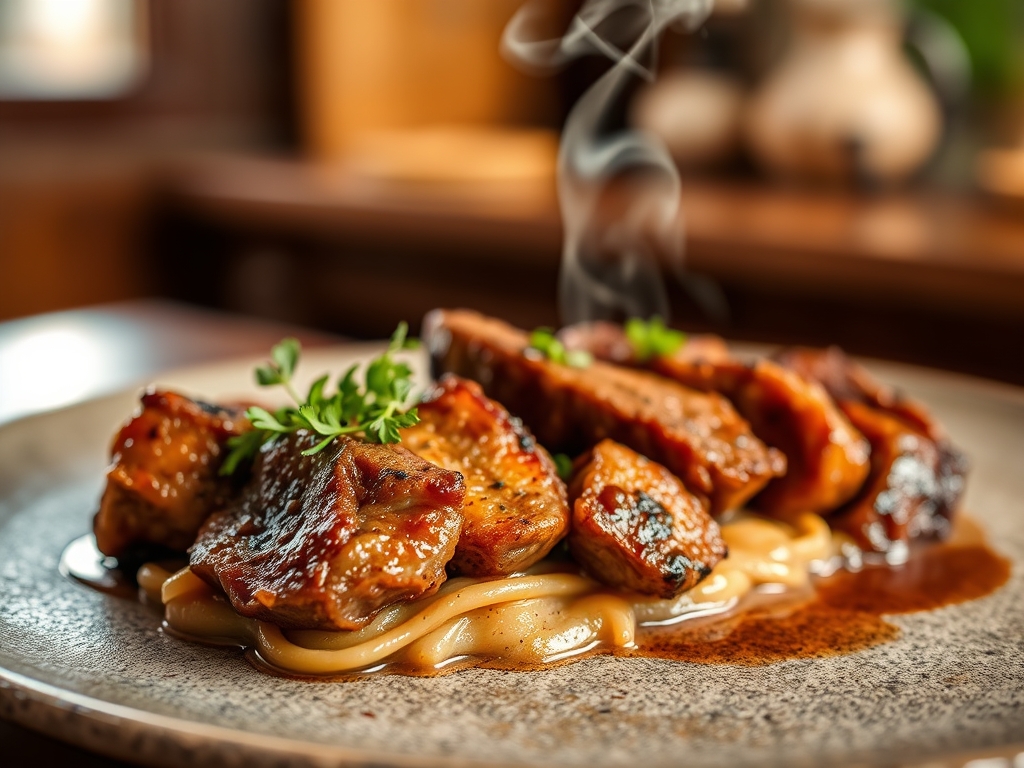
Imagine the sound of a heavy-bottomed cast iron skillet meeting a flame; it is a sharp, percussive snap that signals the start of something transformative. We are not just cooking dinner tonight; we are mastering the art of the sear to create diabetic beef recipes that prioritize metabolic health without sacrificing a single ounce of luxury.
The scent of rendering fat and toasted peppercorns fills the air, promising a meal that satisfies the soul and stabilizes the blood sugar. We are moving beyond the myth that low-carb means bland or restrictive. Instead, we are leaning into the deep, umami-rich potential of high-quality protein and vibrant, fibrous aromatics. Whether you are craving a piquant Thai basil stir-fry or a velvety, slow-braised short rib, these recipes are designed to keep your glucose levels on a steady, graceful curve. Grab your favorite apron and a glass of sparkling water; we are about to turn your kitchen into a high-end bistro where science and flavor live in perfect harmony.
The Gathers:
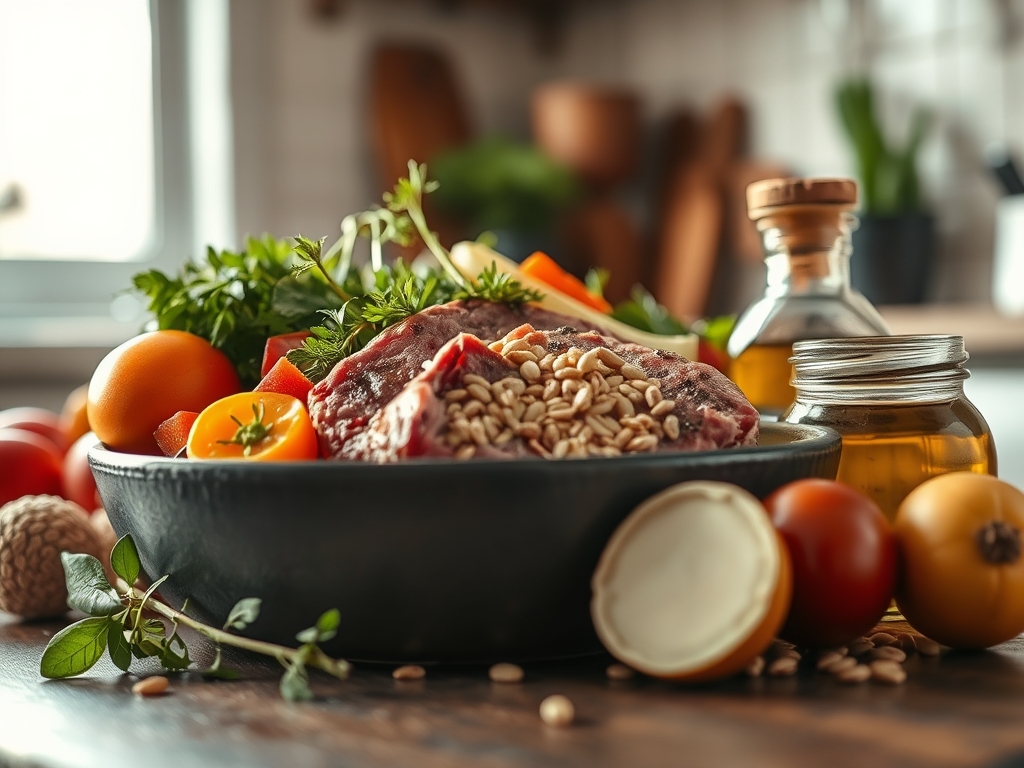
To execute these diabetic beef recipes with professional precision, your mise-en-place must be flawless. Start with the protein: look for grass-fed cuts like flank steak, top round, or lean chuck. These cuts offer a higher ratio of omega-3 fatty acids, which are essential for cardiovascular health in a diabetic-friendly diet. You will need a digital scale to ensure portion accuracy; aim for five to six ounces of raw weight per serving.
Next, gather your aromatics. We are using fresh ginger, garlic cloves, and shallots. Use a microplane to grate the ginger into a fine paste; this increases the surface area and allows the gingerols to infuse more effectively into your cooking fats. For the "Smart Substitutions," replace traditional cornstarch thickeners with xanthan gum or glucomannan powder. These fibers create a viscous sauce without the glycemic spike associated with grain-based starches. Swap soy sauce for liquid aminos or tamari to control sodium levels, and use monk fruit or allulose if a recipe requires a hint of sweetness to balance a piquant glaze.
The Clock:
Efficiency in the kitchen is about "Chef's Flow," which is the chronological orchestration of tasks to minimize downtime. For these six meals, expect a preparation window of 20 minutes and a cooking duration ranging from 15 minutes for a flash-sear to 4 hours for a braise.
The secret to a stress-free evening is front-loading the labor. Use a bench scraper to clear your workspace as you go, moving chopped vegetables into glass bowls immediately. If you are preparing the Steak Salad with Chimichurri, your flow starts with the sauce; the acids in the vinegar need time to macerate the herbs and draw out their essential oils. While the sauce develops its profile, your steak can come to room temperature, ensuring an even heat distribution when it hits the pan.
The Masterclass:
1. The Perfect Sear and Maillard Reaction
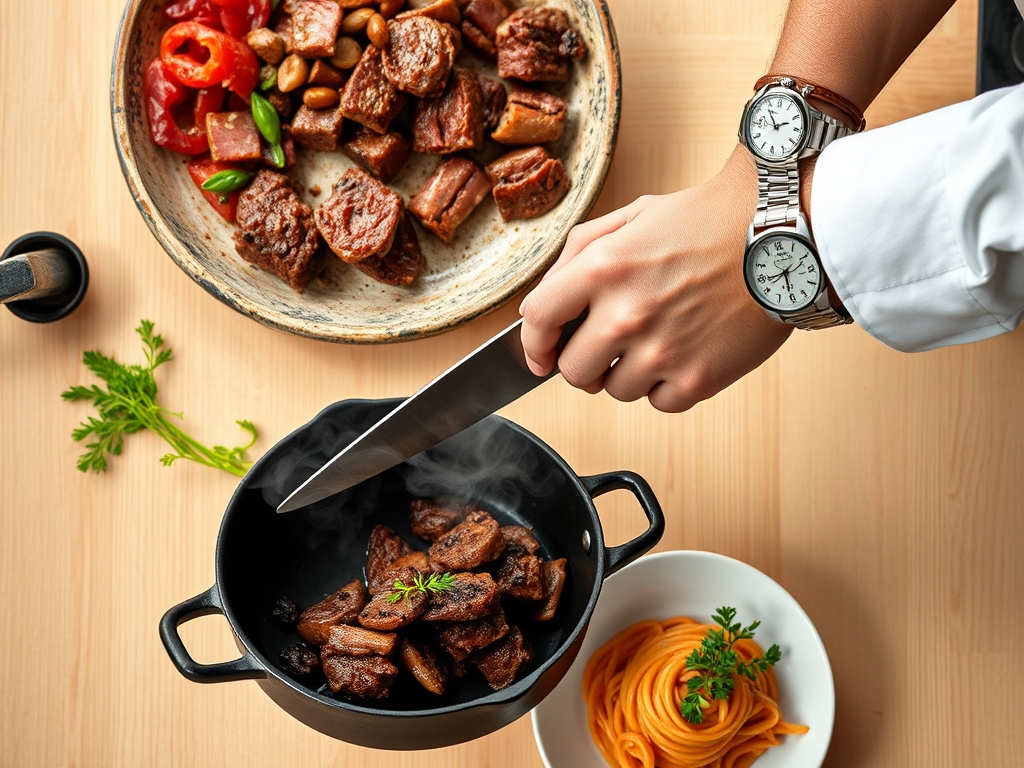
Begin by patting your beef bone-dry with paper towels. Moisture is the enemy of a good crust; any surface water will turn to steam and prevent the temperature from rising high enough for the Maillard reaction. Heat your skillet until it reaches approximately 400 degrees Fahrenheit. Lay the beef away from you to avoid oil splatter.
Pro Tip: The Maillard reaction is a chemical reaction between amino acids and reducing sugars that gives browned food its distinctive flavor. If the meat resists when you try to flip it, it is not ready; it will naturally release from the pan once the crust has fully formed.
2. Deglazing for Depth
After removing the meat, you will see brown bits stuck to the bottom of the pan. This is called "fond," and it is concentrated flavor gold. Pour in a splash of beef bone broth or dry red wine and use a wooden spatula to scrape the bottom.
Pro Tip: Deglazing uses the principle of solubility to incorporate caramelized proteins back into a liquid base. This creates a rich, savory sauce without the need for high-carb flour-based rous.
3. Emulsifying the Sauce
Lower the heat and whisk in a tablespoon of cold grass-fed butter or a teaspoon of xanthan gum. Use a saucier or a whisk to create a vigorous motion, breaking the fat into tiny droplets that stay suspended in the liquid.
Pro Tip: Emulsification is the process of combining two liquids that usually do not mix. By whisking cold fat into a hot liquid, you create a silky, stable sauce that coats the back of a spoon without adding starch.
4. Resting and Thermal Carryover
Transfer your beef to a cutting board and let it rest for at least ten minutes. This allows the muscle fibers, which tightened during cooking, to relax and reabsorb the internal juices.
Pro Tip: Thermal carryover means the internal temperature of the beef will continue to rise by 5 to 10 degrees after it leaves the heat. Pull your steak at 130 degrees for a perfect medium-rare finish at 135 degrees.
5. Slicing Against the Grain
Identify the direction of the muscle fibers and use a sharp carving knife to slice perpendicular to them. This shortens the fibers, making even the leanest cuts feel tender and buttery on the palate.
Pro Tip: Mechanical tenderization through slicing is essential for low-carb beef dishes. By physically breaking the long protein strands, you make the meat easier to digest and more pleasant to eat.
6. Balancing with Fresh Acids
Finish every dish with a squeeze of fresh lime, lemon, or a drizzle of high-quality vinegar. This cuts through the richness of the beef and brightens the overall flavor profile.
Pro Tip: Acid works on the tongue by stimulating saliva production, which helps distribute flavors more effectively across your taste buds. It provides a "lift" that balances the heavy umami notes of the beef.
The Deep Dive:
When we look at the macro nutrition of these diabetic beef recipes, we are aiming for a profile of 35 grams of protein, 15 grams of healthy fats, and under 8 grams of net carbs per serving. This ratio supports muscle maintenance while preventing insulin spikes.
For dietary swaps, vegans can substitute beef with extra-firm pressed tofu or tempeh, though the cooking times will decrease significantly. If you are strictly Keto, increase the fat content by adding a dollop of tallow or avocado oil. For those who are Gluten-Free, always verify that your beef broth and spices are certified, as hidden maltodextrin can be a sneaky carb source.
"The Fix-It" section:
- Tough Meat: If your beef is chewy, you likely skipped the resting phase or sliced with the grain. Fix this by slicing the remaining meat thinner and tossing it in a warm sauce to re-moisturize.
- Bland Sauce: If the sauce lacks punch, it needs salt or acid. Add a pinch of sea salt and a teaspoon of apple cider vinegar to sharpen the flavors.
- Burnt Fond: If the pan bits turned black instead of brown, do not deglaze. Discard the fat, wipe the pan, and start the sauce with fresh aromatics to avoid a bitter aftertaste.
For meal prep, reheating science is key. To maintain "day-one" quality, avoid the microwave. Instead, use a "low and slow" method in a covered skillet with a tablespoon of broth. This creates a steam-jacket effect that prevents the proteins from tightening and becoming rubbery.
The Wrap-Up:
You have officially graduated from the school of high-flavor, low-carb mastery! These diabetic beef recipes are more than just a meal plan; they are a toolkit for living well. By understanding the chemistry of the sear and the importance of the rest, you have reclaimed the joy of the kitchen. Go forth, sear with confidence, and enjoy every savory, nutrient-dense bite. You have got the skills, the science, and the appetite to make every dinner a triumph!
The Kitchen Table:
Can I use frozen beef for these recipes?
Yes, but ensure it is fully thawed in the refrigerator first. Pat the meat extremely dry before searing, as excess moisture from the freezing process will prevent the Maillard reaction and lead to gray, steamed meat instead of a brown crust.
What is the best oil for searing beef?
Use oils with a high smoke point to avoid oxidation and bitter flavors. Avocado oil, beef tallow, or clarified butter (ghee) are excellent choices. Avoid extra virgin olive oil for high-heat searing, as its low smoke point can create harmful compounds.
How do I know if my beef is cooked without a thermometer?
While a digital thermometer is most accurate, you can use the "finger test." Press the meat; if it feels like the fleshy part of your palm under your thumb when relaxed, it is rare. If it feels like that area when your thumb touches your pinky, it is well-done.
Why is grass-fed beef recommended for diabetics?
Grass-fed beef typically contains higher levels of Conjugated Linoleic Acid (CLA) and Omega-3 fatty acids compared to grain-fed beef. These fats are linked to improved insulin sensitivity and reduced inflammation, making them a superior choice for managing blood sugar levels effectively.