
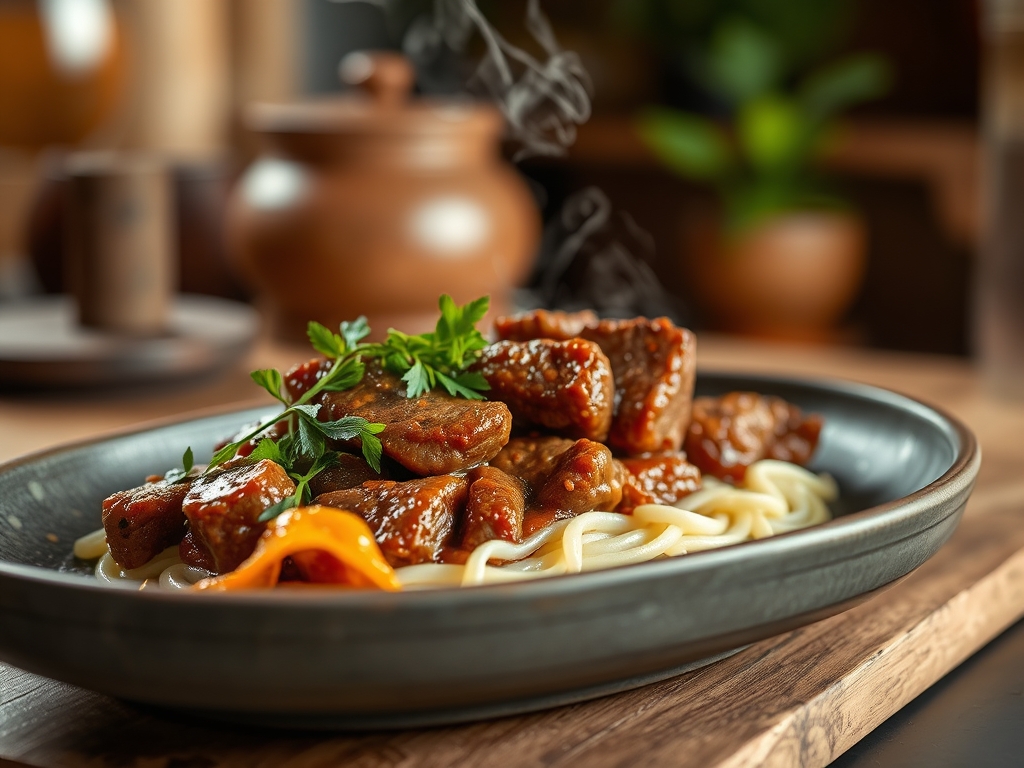
Imagine the scent of slow-simmered brisket and roasted marrow wafting through your kitchen on a rainy afternoon. Filipino cuisine is a masterclass in balancing salty, sour, and sweet notes; it is a soulful alchemy that turns tough cuts into butter-soft delicacies. Whether you are craving a citrusy bistek or a rich, peanut-infused stew, mastering beef recipes panlasang pinoy requires understanding the delicate interplay of heat and time. We are moving beyond basic boiling to embrace the high-level techniques that define the archipelago's most iconic comfort foods.
The Gathers:
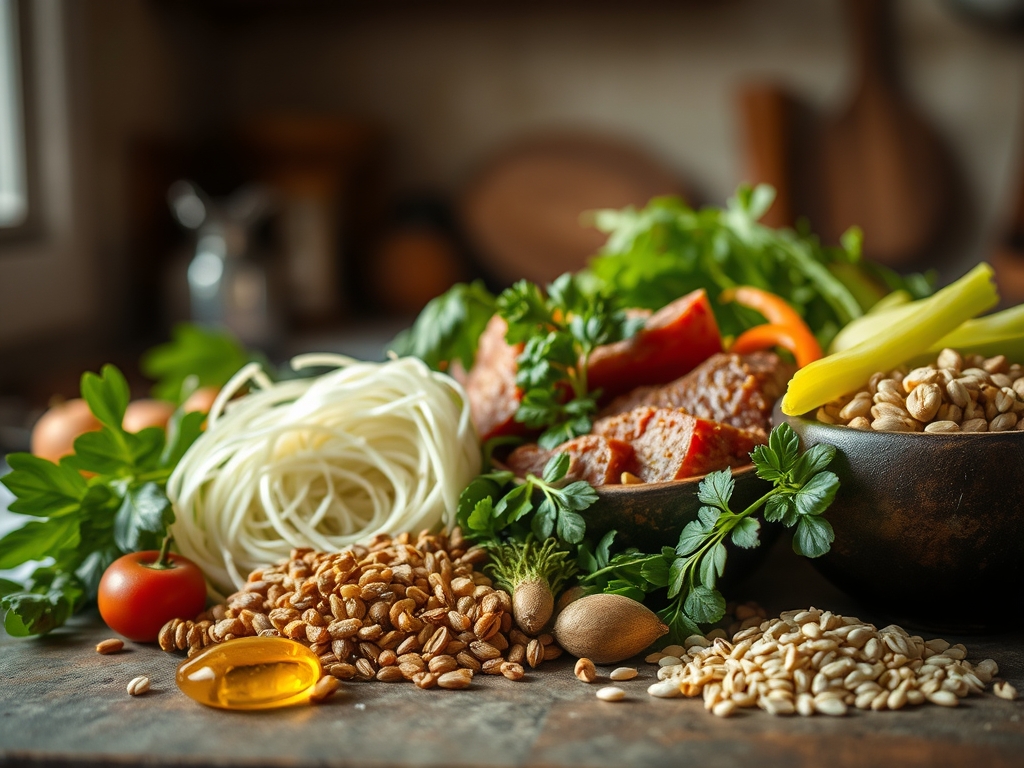
To achieve that authentic flavor profile, your mise-en-place must be precise. Start with high-quality chuck roast or brisket; these cuts contain the intramuscular connective tissue, specifically collagen, which transforms into silky gelatin during a long braise. You will need a microplane for zesting calamansi and grating fresh ginger to ensure maximum surface area for flavor extraction. Keep a bottle of high-quality fermented soy sauce and cane vinegar nearby; these provide the piquant acidity necessary to cut through the richness of the rendered fat.
Smart Substitutions: If you cannot find calamansi, a 2:1 ratio of lemon to lime juice mimics that specific floral acidity. For those avoiding soy, coconut aminos offer a similar umami profile with a lower glycemic index. Always use a digital scale to measure your aromatics; 50 grams of garlic might sound like a lot, but in Filipino cooking, it is the foundational aromatic that builds the "linamnam" or savory depth we crave.
The Clock
Efficiency in the kitchen is about "Chef's Flow." For these six dishes, expect a total prep time of 45 minutes and a cumulative cook time of roughly 3 to 4 hours if using traditional stovetop methods. If you utilize a pressure cooker, you can slash the active simmering time by 70 percent. The goal is to stagger your tasks: while the beef is undergoing its primary braise, you should be prepping your vegetable garnishes and reducing your sauces in a separate saucier. This prevents the vegetables from becoming over-extracted and mushy.
The Masterclass
1. The Maillard Sear
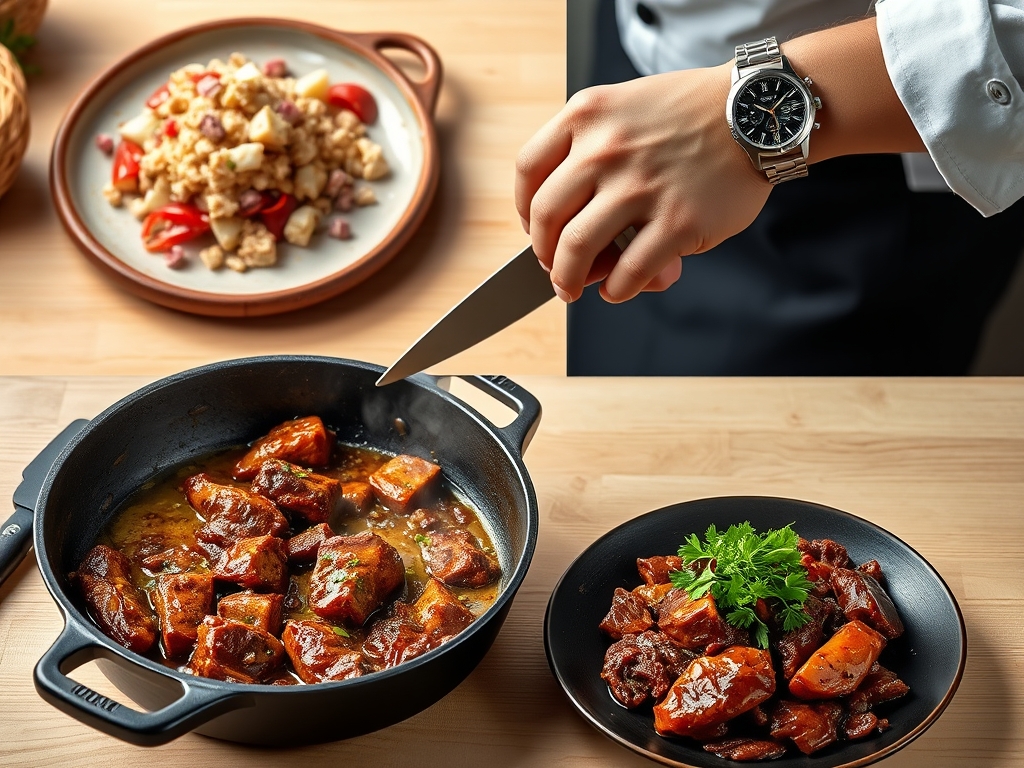
Before adding any liquid, pat your beef cubes bone-dry with paper towels. Heat a heavy-bottomed skillet or Dutch oven until it reaches the smoke point of your oil. Sear the meat in small batches to avoid crowding the pan, which would cause the temperature to drop and the meat to steam in its own juices.
Pro Tip: This stage triggers the Maillard reaction, a chemical dance between amino acids and reducing sugars that creates hundreds of flavor compounds. If you skip the sear, you lose the foundational roasted notes that characterize a premium beef stew.
2. Deglazing the Fond
Once the meat is browned and removed, you will see brown bits stuck to the bottom of the pan. This is called the fond. Pour in a splash of beef stock or vinegar and use a bench scraper or wooden spoon to lift these concentrated flavor particles back into the sauce.
Pro Tip: Deglazing is a thermodynamic process that captures caramelized proteins. By incorporating the fond, you ensure the sauce has a complex, layered profile rather than a one-dimensional salty taste.
3. Emulsifying the Fats
For dishes like Kare-Kare, the peanut sauce must be perfectly smooth. Whisk your peanut butter into the warm broth slowly. Use a whisk to create a stable emulsion, ensuring the oil from the nuts does not separate from the water-based stock.
Pro Tip: Adding a small amount of toasted ground rice acts as a secondary stabilizer and thickener. This prevents the sauce from "breaking" and ensures a viscous, velvety mouthfeel that clings to the beef.
4. Balancing the Ph
In Beef Mechado or Caldereta, the acidity of the tomatoes and vinegar is crucial. Add your acidic components mid-way through the simmer. If the sauce feels too sharp, a tiny pinch of brown sugar can provide a counterpoint without making the dish overtly sweet.
Pro Tip: Acid breaks down tough muscle fibers by denaturing proteins. However, adding it too early can sometimes toughen the meat if the pH drops too low; timing the addition ensures the beef remains tender but structurally sound.
5. The Gentle Simmer
Never let your beef reach a rolling boil once the braise has begun. A low, consistent simmer (around 185 to 205 degrees Fahrenheit) is the "sweet spot" for collagen conversion. Use a thermometer to check the internal temperature of the liquid.
Pro Tip: High heat causes muscle fibers to contract violently and squeeze out moisture, resulting in "stringy" meat. A gentle simmer allows the collagen to melt into gelatin slowly, which actually lubricates the muscle fibers for a "melt-in-your-mouth" texture.
6. The Rest and Carryover
Once the beef is fork-tender, remove it from the heat and let it sit in the liquid for at least 15 minutes before serving. Use tongs to arrange the meat on a platter, then pour the reduced sauce over the top.
Pro Tip: This allows for thermal carryover, where the internal temperature continues to rise slightly, finishing the cook perfectly. More importantly, it allows the meat to reabsorb some of the flavorful cooking liquid it lost during the heating phase.
The Deep Dive
Nutritionally, these beef recipes are high-protein powerhouses, typically providing 30 to 45 grams of protein per serving. They are naturally rich in iron and B12. To make these Keto-friendly, simply omit the potatoes or carrots and substitute with cauliflower or daikon radish. For a Gluten-Free version, ensure your soy sauce is replaced with tamari.
The Fix-It:
- Too Salty? Do not add water; add a peeled potato. The potato acts as a molecular sponge, absorbing excess sodium through osmosis.
- Too Greasy? Use the "ice cube trick." Wrap an ice cube in a paper towel and skim it over the surface; the cold will cause the fat to solidify and cling to the towel.
- Meat is Tough? You likely stopped too early. If the meat is "rubbery," the collagen hasn't converted. Add a splash of liquid and continue simmering for another 30 minutes.
Meal Prep: Filipino beef dishes actually taste better on day two. This is because the aromatic compounds have more time to infuse into the fats. When reheating, use a low flame and add a tablespoon of water to prevent the sauce from over-concentrating and becoming too salty.
The Wrap-Up
Cooking beef recipes panlasang pinoy is an act of love and a lesson in patience. By respecting the science of the sear and the slow transformation of collagen, you elevate humble ingredients into a five-star feast. Grab your heavy-bottomed skillet, trust your senses, and do not be afraid to let that pot simmer until the beef yields at the mere suggestion of a fork. Your kitchen is about to become the most popular spot in the house!
The Kitchen Table
How do I make beef tender quickly?
Use a pressure cooker to accelerate the breakdown of collagen. Alternatively, "velveting" the beef with a small amount of baking soda for 20 minutes before searing can chemically tenderize tougher cuts for stir-fry styles.
What is the best cut for Filipino beef stew?
Beef chuck or brisket is ideal. These cuts are rich in connective tissue, which melts into gelatin during long cooking processes, providing a rich mouthfeel and preventing the meat from drying out during the braise.
Why is my beef stew sauce too thin?
You likely have too much water and not enough reduction. Remove the lid during the last 20 minutes of cooking to allow evaporation, or whisk in a slurry of cornstarch or toasted rice flour to increase viscosity.
Can I freeze Filipino beef dishes?
Yes, these dishes freeze beautifully. The high fat and gelatin content protect the meat from freezer burn. Store in airtight containers for up to three months and thaw overnight in the refrigerator before reheating gently on the stove.