
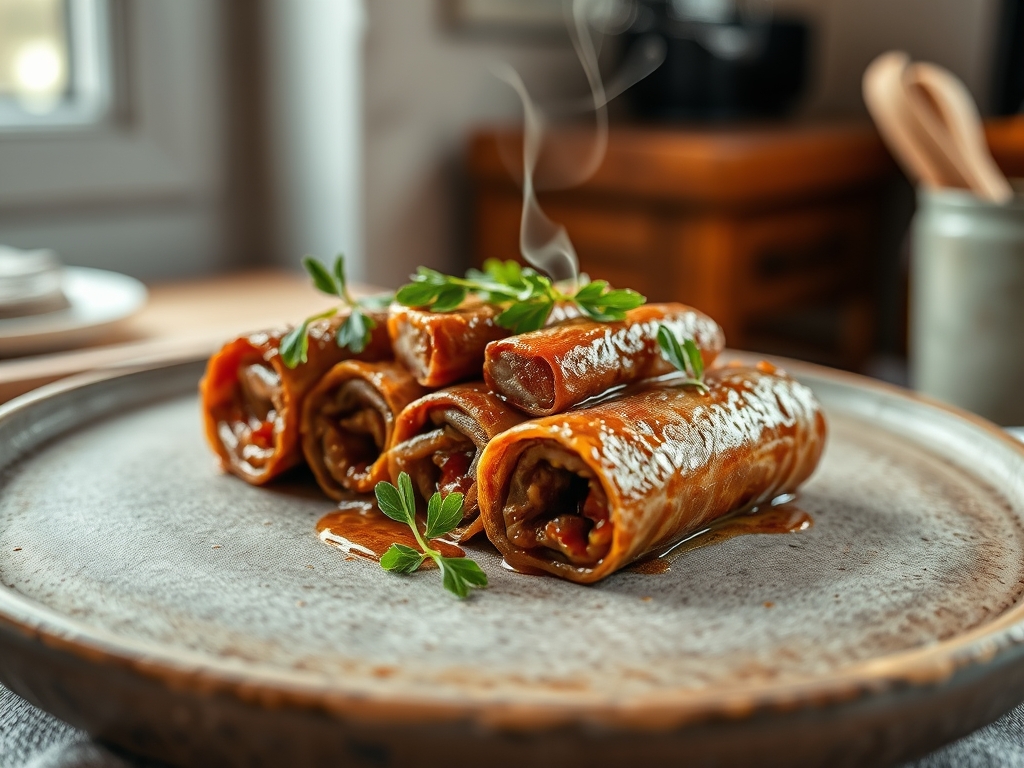
Picture this: you are standing in a kitchen filled with the intoxicating scent of searing protein and toasted herbs. There is a specific magic that happens when you take a flat cut of flank or skirt steak and transform it into a tight, savory spiral. Mastering rolled up beef recipes is not just about following a set of instructions; it is about understanding the geometry of flavor. When you roll beef, you are creating a self-basting environment where the internal fats and aromatics are trapped, forcing moisture back into the muscle fibers rather than letting it evaporate into the air. This technique turns an affordable cut of meat into a centerpiece that looks like it belongs in a high-end bistro window. Whether you are stuffing it with vibrant pesto, sharp cheeses, or earthy mushrooms, the result is always a sophisticated interplay of textures. We are going to dive deep into the chemistry of the sear and the physics of the roll to ensure your dinner party is nothing short of legendary.
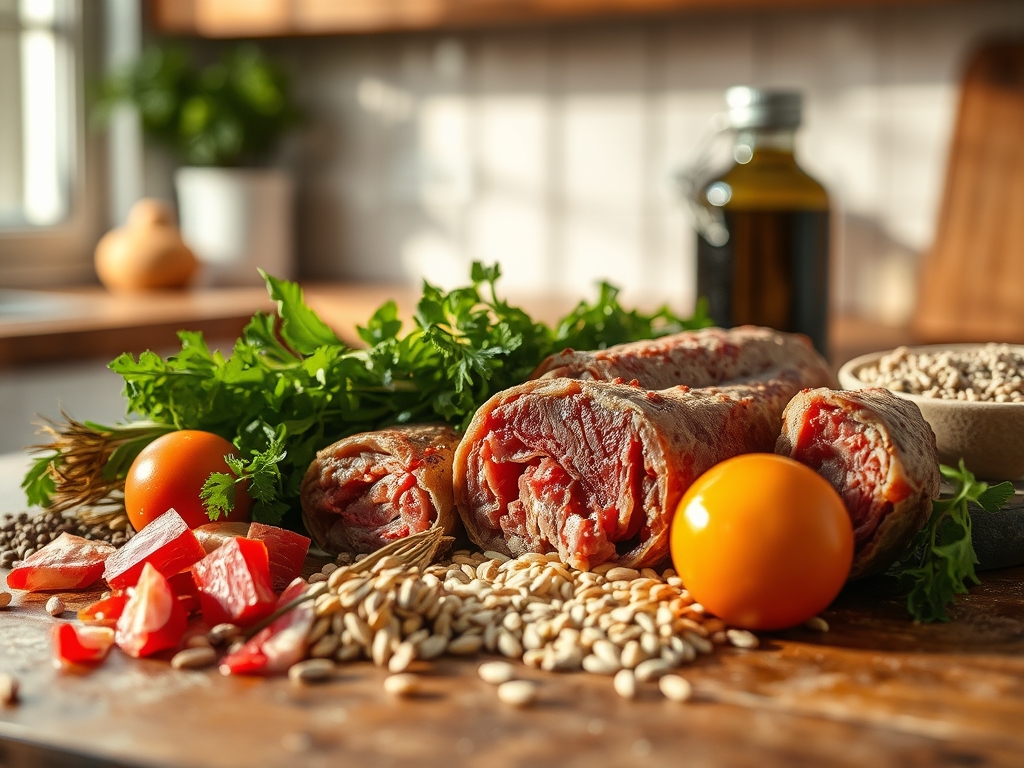
The Gathers:
To execute these rolled up beef recipes with precision, your mise-en-place must be impeccable. You will need a high-quality flank steak or top round, ideally sliced against the grain to ensure tenderness. The protein should be at room temperature to allow for even heat distribution. For the filling, gather viscous binders like Dijon mustard or roasted garlic paste, which act as an adhesive for your herbs. You will also need piquant elements like capers or sun-dried tomatoes to cut through the richness of the fat.
Smart Substitutions:
If you cannot find flank steak, a butterflied top round works beautifully. For a dairy-free profile, swap traditional provolone for a nutritional yeast and cashew cream spread. If you are looking to lower the sodium, use a splash of balsamic glaze instead of soy sauce to provide that essential umami kick. Always have your digital scale ready to measure your fillings; consistency is the secret to a uniform cook time across all ten variations.
The Clock:
Efficiency in the kitchen is dictated by "Chef's Flow." For these recipes, expect a prep time of 25 minutes and a cook time of 15 to 20 minutes depending on your desired level of doneness. The flow begins with the mechanical tenderization of the meat, followed by the layering of ingredients, and finally the high-heat sear. Do not rush the resting period. Giving the meat 10 minutes to sit post-cook allows the internal juices to redistribute, preventing a "bloody" plate and ensuring every bite is succulent.
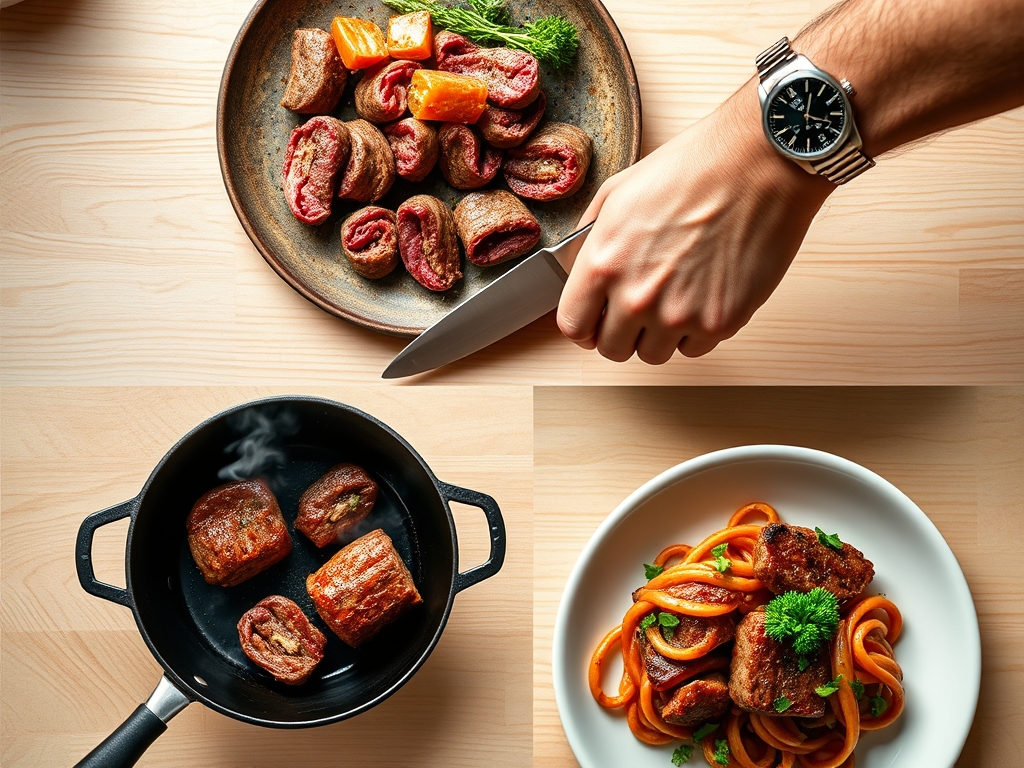
The Masterclass:
1. Mechanical Tenderization
Lay your beef between two sheets of plastic wrap and use a meat mallet to pound it to a uniform thickness of about half an inch. This breaks down the collagen and connective tissues, making the final product easier to slice.
Pro Tip: Uniform thickness ensures that the thermal energy penetrates the meat at a consistent rate, preventing the outer edges from overcooking while the center remains raw.
2. The Umami Layer
Apply a thin layer of your chosen binder using a small offset spatula. This is where you introduce your base flavors, such as garlic confit or herbaceous pesto.
Pro Tip: This layer creates a moisture barrier that prevents the beef from drying out from the inside during the roasting process.
3. Structural Rolling
Roll the beef tightly, starting from the long edge, ensuring the grain of the meat runs lengthwise. Use butcher's twine to secure the roll at one-inch intervals.
Pro Tip: Tight rolling minimizes air pockets, which prevents steam from building up inside and creates a denser, more professional "pinwheel" appearance.
4. The Maillard Sear
Heat a heavy-bottomed skillet with a high-smoke-point oil until it shimmers. Sear the roll on all sides until a deep, mahogany crust forms.
Pro Tip: This is the Maillard reaction, a chemical reaction between amino acids and reducing sugars that creates hundreds of different flavor compounds.
5. Deglazing and Finishing
Once seared, remove the beef and use a saucier or the same skillet to deglaze the pan with red wine or beef stock, scraping up the browned bits (fond).
Pro Tip: Deglazing captures the concentrated proteins left in the pan, creating a complex sauce through the process of reduction and emulsification.
The Deep Dive:
Macro Nutrition
A standard serving of these rolled up beef recipes provides approximately 35 grams of protein and 12 grams of fat. By focusing on lean cuts and vegetable-heavy fillings like spinach or bell peppers, you maintain a high nutrient density without excessive caloric load.
Dietary Swaps
- Keto: Use full-fat cheeses and avoid sugar-based glazes; focus on herb-butter fillings.
- Vegan: Replace the beef with large, blanched cabbage leaves or thinly sliced eggplant, using a walnut-mushroom pate as the "meat" element.
- GF: Ensure your binders and sauces are certified gluten-free, specifically checking any pre-made mustards or stocks.
The Fix-It
- The Roll Unravels: If your twine slips, use toothpicks inserted at a 45-degree angle to provide extra structural integrity.
- Tough Texture: This usually means the meat was not pounded thin enough. Next time, use a bench scraper to help lift and roll the meat more tightly.
- Grey Exterior: Your pan wasn't hot enough. Ensure the oil is near its smoke point before the meat touches the surface to trigger immediate searing.
Meal Prep and Reheating
To maintain "day-one" quality, reheat your beef rolls in a covered dish with a splash of beef broth at 300 degrees Fahrenheit. This creates a gentle steam environment that prevents the protein from becoming rubbery, which often happens in a microwave.
The Wrap-Up:
You now have the technical blueprint to execute ten different variations of rolled up beef recipes, from Mediterranean-inspired feta rolls to classic French-style mushroom duxelles. Remember, the kitchen is your laboratory. Use your tongs to feel the resistance of the meat and your microplane to add a final zest of lemon or parmesan to brighten the dish. Cooking is as much about the science of heat as it is about the soul of the ingredients. Now, get in there and start rolling!
The Kitchen Table:
What is the best cut of meat for beef rolls?
Flank steak is the gold standard due to its flat shape and grain structure. It absorbs marinades well and remains structural when rolled. Skirt steak or butterflied top round are excellent secondary options for high-heat cooking.
How do I prevent the filling from leaking out?
Avoid overfilling the beef. Leave a half-inch border around the edges. Use a viscous binder like mustard or a thick puree to "glue" the ingredients down, and secure the roll tightly with butcher's twine at one-inch intervals.
Can I make beef rolls ahead of time?
Yes. You can assemble and tie the rolls up to 24 hours in advance. Keep them tightly wrapped in plastic in the refrigerator. This actually helps the meat hold its shape better during the initial searing phase.
How do I know when the beef is perfectly cooked?
Use a digital thermometer to check the internal temperature. For medium-rare, pull the beef off the heat at 130 degrees Fahrenheit. The temperature will rise to 135 degrees during the resting period due to thermal carryover.