
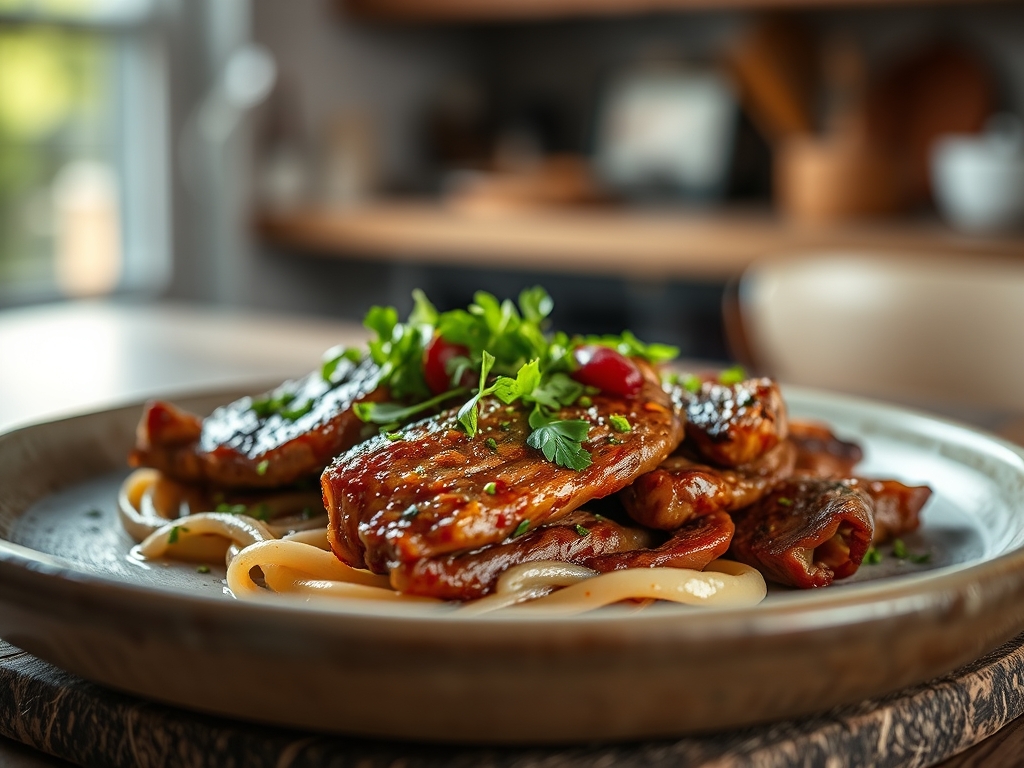
Close your eyes and imagine the sound of a violent hiss as cold, citrus-bathed meat hits a white-hot cast iron surface. That smell is unmistakable; it is the scent of charred fat, toasted cumin, and garlic caramelizing in real time. When searching for carne asada beef recipes, you are not just looking for dinner. You are looking for that perfect, smoky alchemy that turns a humble flank steak into a legendary street taco.
Most people think great carne asada is about the grill. They are wrong. It is actually about the chemistry of the marinade and the precision of the sear. We are going to dive deep into the molecular mechanics of why some meat stays chewy while others melt on your tongue. Grab your apron and your sharpest chef knife; we are about to turn your kitchen into a high-end taqueria.
The Gathers:
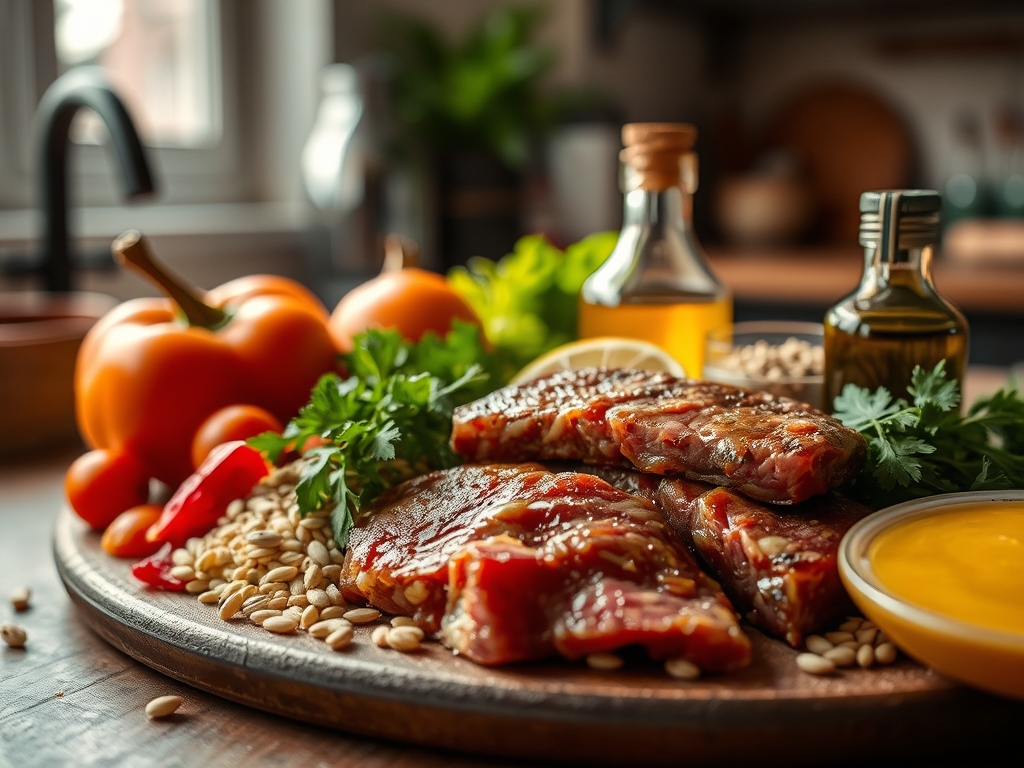
To achieve a professional result, your mise-en-place must be precise. We are looking for a balance of acid, fat, and aromatics. You will need 2 pounds of skirt or flank steak. Skirt steak is more marbled and viscous when rendered, while flank is leaner and requires a more aggressive marinade to break down its dense muscle fibers.
For the marinade, gather fresh cilantro, six cloves of garlic, and a neutral oil with a high smoke point like avocado oil. The citrus component is non-negotiable; use fresh lime and orange juice. The citric acid acts as a denaturant, uncoiling the tight protein strands to allow moisture to enter. You will also need a microplane to zest your citrus and finely grate your garlic into a paste. This ensures the flavor is evenly distributed rather than leaving bitter, burnt chunks on the meat.
Smart Substitutions: If you cannot find skirt steak, use flap meat (sirloin tips). It has a similar coarse grain that grabs onto seasonings. If you are watching your sodium, replace the traditional soy sauce splash with liquid aminos; it provides that same umami punch without the heavy salt load.
The Clock:
Mastering the "Chef's Flow" is about managing your downtime.
- Prep Time: 20 minutes (chopping, whisking, and bagging).
- Marinating Time: 2 to 4 hours. Do not exceed 8 hours, or the acid will turn the beef into a mushy, gray mess.
- Cook Time: 8 to 12 minutes depending on the thickness of the cut.
- Resting Time: 10 minutes. This is the most ignored yet vital step in the process.
The flow is simple: Marinate in the morning. While the meat rests in its enzymatic bath, prepare your salsas and toppings. Heat your cooking surface 15 minutes before you plan to sear. This ensures a consistent thermal mass that won't drop in temperature the second the meat touches the pan.
The Masterclass:
1. The Acidic Infusion
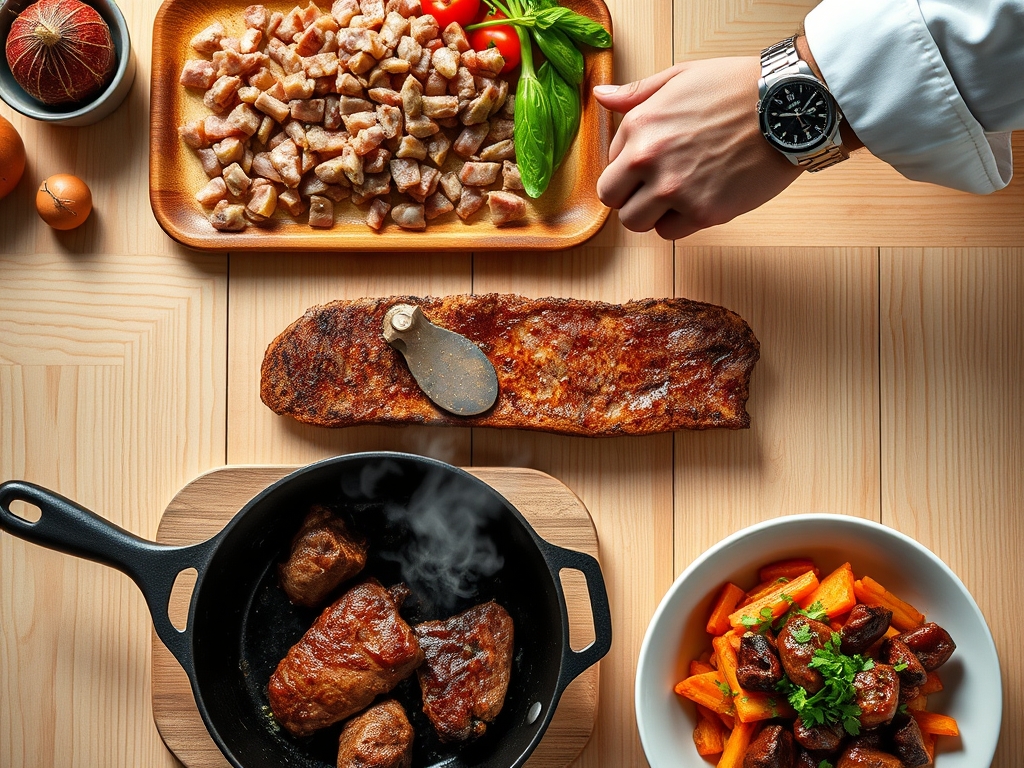
Place your beef in a gallon-sized freezer bag. Whisk together your citrus juices, oil, garlic, and spices in a saucier or small bowl before pouring it over the meat. Massage the bag to ensure every millimeter of the surface area is coated.
Pro Tip: This is called enzymatic tenderization. The protease enzymes in the citrus and the salt in the marinade work together to break down the connective tissues. This increases the "bite-ability" of the beef before it even touches the heat.
2. The Great Drying
Remove the meat from the marinade and pat it extremely dry with paper towels. This feels counterintuitive, but surface moisture is the enemy of a good crust. Use a bench scraper to clear your station of any stray cilantro bits that might burn.
Pro Tip: This facilitates the Maillard Reaction. If the surface is wet, the energy of the pan goes into evaporating water (steam) rather than browning the proteins. A dry steak browns at 300 degrees Fahrenheit; a wet steak boils at 212 degrees.
3. The High-Heat Sear
Heat a heavy-bottomed skillet or a cast iron griddle until it is lightly smoking. Use tongs to lay the steak away from you to avoid oil splatter. Press down slightly to ensure maximum contact with the heat.
Pro Tip: This is about conduction. The heavy metal retains enough heat to sear the meat instantly, locking in juices. Do not crowd the pan, or you will cause a temperature drop that leads to gray, boiled meat.
4. The Digital Check
Use a digital scale to weigh your portions if you are meal prepping, but use a digital meat thermometer for the cook. Pull the steak off the heat when it hits 130 degrees Fahrenheit for a perfect medium-rare.
Pro Tip: Account for thermal carryover. The internal temperature will continue to rise about 5 degrees after you remove it from the heat. Pulling it early prevents the meat from becoming tough and "rubbery."
5. The Sacred Rest
Transfer the beef to a cutting board and tent it loosely with foil. Let it sit undisturbed for at least 10 minutes.
Pro Tip: This allows for re-absorption. During cooking, muscle fibers contract and push juices to the center. Resting allows those fibers to relax and soak the moisture back up, ensuring the juice stays in the meat and not on your board.
6. Against the Grain
Identify the direction of the long muscle fibers. Use a sharp knife to slice perpendicular to these lines.
Pro Tip: By cutting against the grain, you are shortening the muscle fibers mechanically. This makes the meat feel significantly more tender in the mouth because your teeth don't have to work as hard to break the fibers apart.
The Deep Dive:
Macro Nutrition: A standard 4-ounce serving of carne asada contains approximately 250 calories, 28g of protein, and 14g of fat. It is a powerhouse of Vitamin B12 and Zinc, making it an excellent choice for muscle recovery.
Dietary Swaps:
- Keto: Ensure your marinade has no added sugars or orange juice; use extra lime and a splash of vinegar instead.
- Vegan: Use the same marinade on thick slices of Portobello mushrooms or pressed extra-firm tofu.
- GF: Always check your soy sauce; use Tamari or coconut aminos to keep it gluten-free.
The Fix-It:
- Tough Meat: You likely cut with the grain. Slice it thinner and across the grain to save the texture.
- Bland Flavor: You didn't salt the marinade enough. Sprinkle a little flaky sea salt over the sliced meat to pop the flavors.
- No Crust: The pan wasn't hot enough. Next time, wait for the oil to shimmer and "whisper" before adding the beef.
Meal Prep Science: To reheat without losing quality, avoid the microwave. Use a skillet over medium heat with a teaspoon of water and cover with a lid. The steam will rehydrate the protein strands without overcooking the center.
The Wrap-Up:
You are now armed with the chemical secrets to the best carne asada of your life. Remember that great cooking is just physics disguised as art. By controlling the moisture, the heat, and the resting time, you have elevated a simple cut of beef into a culinary masterpiece. Now, go grab some warm tortillas and celebrate your kitchen victory!
The Kitchen Table:
What is the best cut for carne asada beef recipes?
Skirt steak is the gold standard due to its high fat content and coarse grain. Flank steak is a great secondary option if you prefer a leaner, more uniform slice. Both require an acidic marinade to reach peak tenderness.
How long should I marinate the beef?
Aim for 2 to 4 hours for the best flavor penetration. Never go over 8 hours; the high acidity in the lime juice will begin to "cook" the meat chemically, resulting in a mealy and unappealing texture.
Can I make carne asada in a slow cooker?
Technically yes, but you lose the Maillard reaction that defines the dish. If you must use a slow cooker, sear the meat in a hot skillet first to develop those complex, smoky flavors before braising.
Why is my carne asada always chewy?
Chewiness usually stems from two errors: skipping the rest period or cutting with the grain. Always let the meat rest for 10 minutes and slice perpendicular to the muscle fibers to ensure a tender, buttery bite every time.