
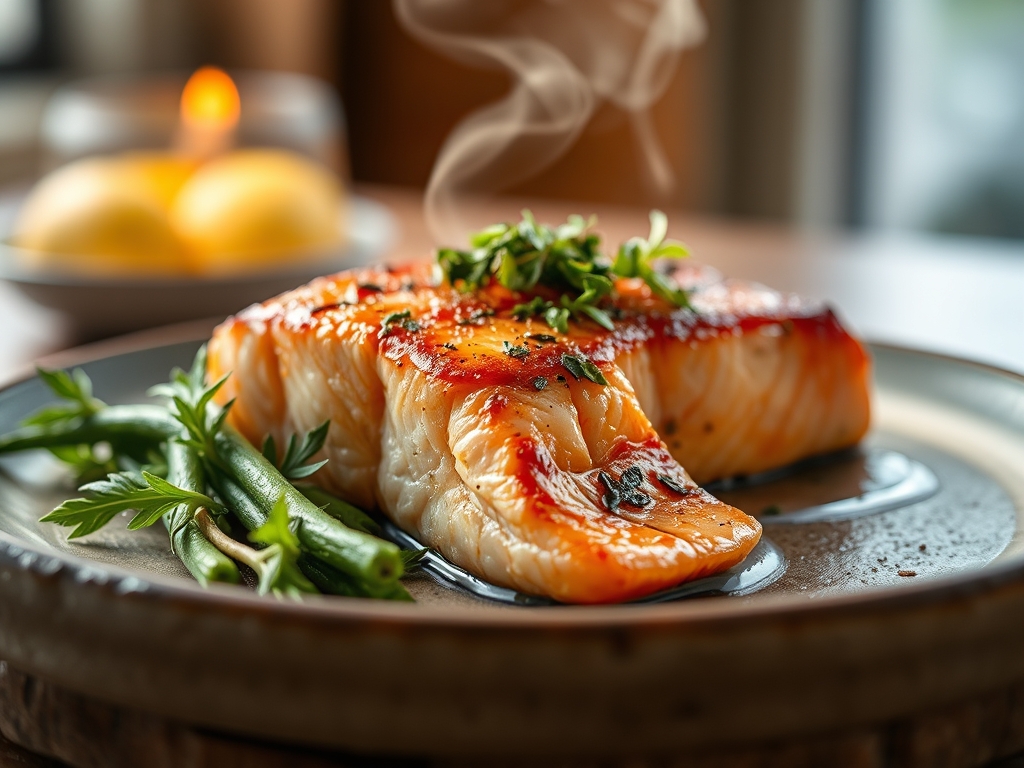
Imagine the sound of a cold, heavy-bottomed skillet meeting a high-fat fillet; that sharp, rhythmic hiss is the anthem of a perfect dinner. We are moving beyond the basic "lemon and herb" routine to explore the best salmon recipes in the world. This is about mastering the alchemy of heat and fat to transform a simple protein into a buttery, melt-in-your-mouth masterpiece that rivals any five-star bistro.
Salmon is the crown jewel of the sea because of its high intermuscular fat content and its ability to withstand bold, piquant flavors without losing its soul. Whether you are aiming for a shatteringly crisp skin or a delicate, sous-vide-style poach, the secret lies in understanding the molecular structure of the fish. We are going to dive into nine distinct methods, from a miso-glazed umami bomb to a classic French en papillote, ensuring your kitchen becomes the ultimate destination for seafood excellence. Grab your favorite apron; we are about to turn your stove into a laboratory of flavor and finesse.
The Gathers:
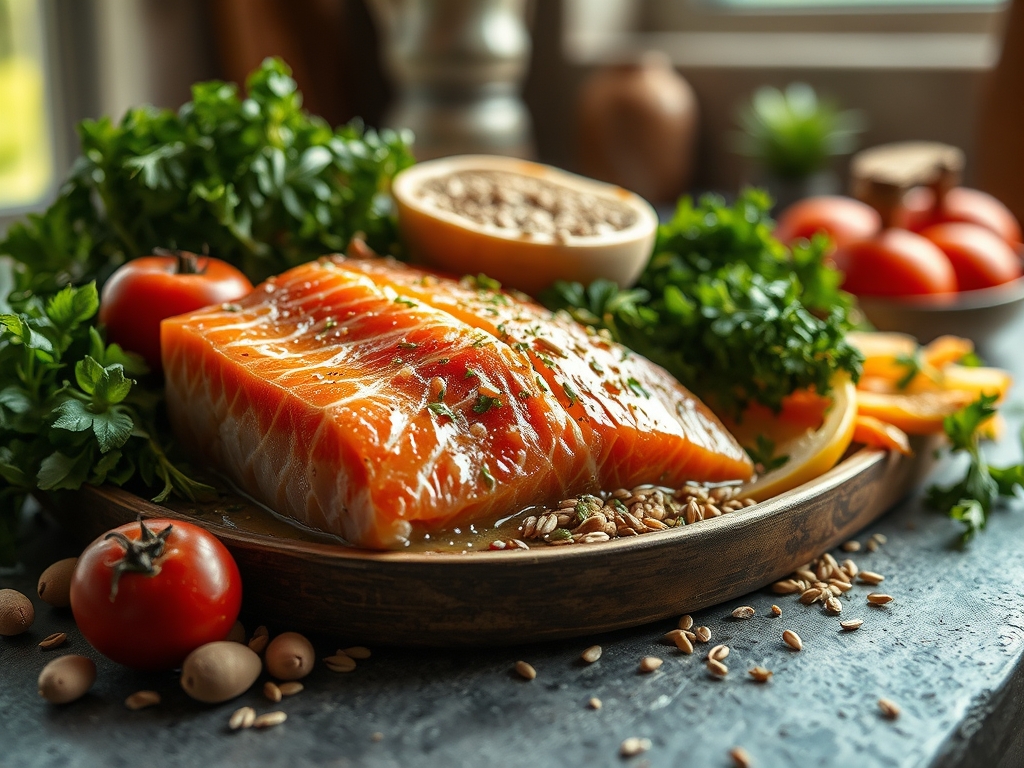
To execute the best salmon recipes in the world, your mise-en-place must be precise. Start with high-quality Atlantic or King salmon fillets, aiming for a consistent thickness of 1.5 inches to ensure even thermal distribution. You will need a viscous binder like Grade A maple syrup or a high-smoke-point oil like avocado oil to facilitate the Maillard reaction. Gather your aromatics: fresh ginger for heat, garlic for depth, and a microplane to zest lemons until you have a pile of bright, citrusy gold.
Smart Substitutions: If you lack white miso for a glaze, a combination of tahini and a splash of soy sauce mimics that fermented depth. For those avoiding honey, agave nectar provides a similar sugar profile to help the exterior caramelize under the broiler. If fresh dill is unavailable, fennel fronds offer a similar anise-forward profile that cuts through the rich lipids of the fish. Always keep a digital scale nearby to measure your dry rubs; precision is the difference between a seasoned crust and a salty disaster.
The Clock
Efficiency in the kitchen is about "Chef's Flow," which is the art of overlapping tasks to minimize downtime. For these nine masterpieces, the active prep time is roughly 15 minutes, with cook times ranging from 6 to 20 minutes depending on the method. Start by tempering your fish; letting it sit at room temperature for 10 minutes prevents the "thermal shock" that causes the muscle fibers to tighten and push out unappealing white albumin. While the fish tempers, use a bench scraper to clear your workspace and prep your glazes. The flow follows a strict sequence: temper, dry, season, sear, and rest. Never skip the rest; five minutes on a warm plate allows the juices to redistribute, ensuring every bite is succulent rather than dry.
The Masterclass
1. The Ultimate Crispy Skin Sear
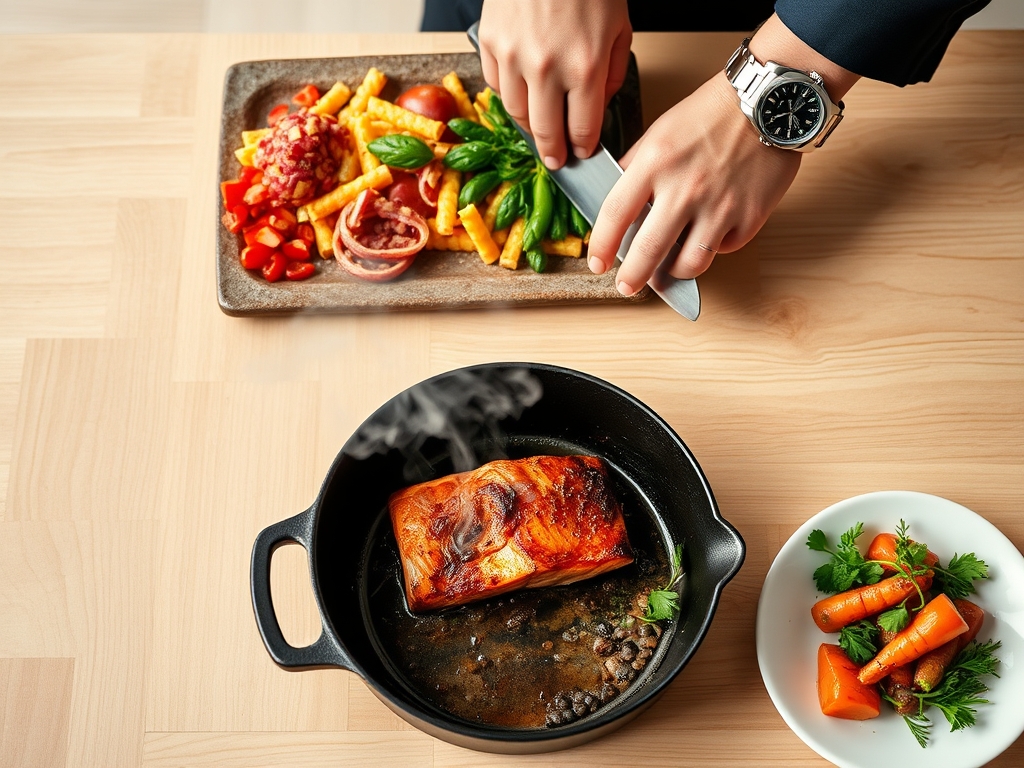
Pat the skin bone-dry with paper towels to remove every molecule of moisture. Place the fish skin-side down in a cold heavy-bottomed skillet with a teaspoon of oil, then turn the heat to medium-high. Use a weighted press or a heavy spatula to keep the skin in total contact with the metal.
Pro Tip: This method utilizes conductive heat to slowly render the subcutaneous fat, resulting in a glass-like crunch. Starting with a cold pan prevents the protein from curling instantly.
2. Miso-Maple Umami Glaze
Whisk white miso, maple syrup, and rice vinegar in a small saucier until the mixture is smooth and aerated. Brush this over the fillets and broil on the top rack for 6 to 8 minutes.
Pro Tip: The sugars in the maple syrup undergo caramelization while the amino acids in the miso trigger the Maillard reaction, creating a complex, savory crust that is scientifically impossible to resist.
3. Slow-Roasted Citrus Infusion
Place fillets in a shallow baking dish submerged in a bath of olive oil, lemon slices, and peppercorns. Bake at a low 225 degrees Fahrenheit until the internal temperature reaches 120 degrees.
Pro Tip: This is a low-temperature confit technique. By keeping the heat low, you prevent the denaturation of proteins, resulting in a texture that is silky and almost custard-like.
4. Pesto and Panko Crusted
Slather the top of the salmon with a vibrant basil pesto and press a layer of panko breadcrumbs into the surface. Bake at 400 degrees until the crumbs are golden.
Pro Tip: The pesto acts as an insulator, protecting the delicate flesh from direct heat while the fat in the pine nuts helps the breadcrumbs toast evenly.
5. Garlic Butter Deglaze
Sear the salmon in a hot pan, then toss in three tablespoons of butter, smashed garlic, and thyme. Use a large spoon to continuously baste the fish with the foaming butter.
Pro Tip: This is called arroser. The hot butter carries the fat-soluble compounds of the garlic and herbs directly into the protein, infusing it with flavor while finishing the cook gently.
6. Honey Mustard Glaze with a Kick
Mix Dijon mustard with honey and a pinch of cayenne. Apply the glaze during the last three minutes of baking to prevent the honey from burning.
Pro Tip: The vinegar in the mustard acts as a denaturant, slightly softening the surface of the fish so the honey can penetrate deeper into the flakes.
7. Mediterranean Parchment Packets
Fold salmon, cherry tomatoes, olives, and capers into a parchment paper pouch. Bake at 375 degrees for 15 minutes.
Pro Tip: This creates a steaming chamber where the fish cooks in its own juices. The acidity from the tomatoes helps break down connective tissues for a tender finish.
8. Blackened Cajun Style
Dredge the fish in a heavy layer of paprika, onion powder, and dried oregano. Sear in a screaming-hot cast iron skillet until the spices form a dark, fragrant crust.
Pro Tip: The "black" color comes from the carbonization of the spices, not burnt meat. This creates a smoky barrier that traps moisture inside.
9. Soy-Ginger Poached
Simmer a liquid of soy sauce, ginger, and star anise. Gently slide the salmon in and turn off the heat, letting it sit covered for 10 minutes.
Pro Tip: This utilizes residual heat to cook the fish. It is the gentlest method possible, ensuring the salmon never reaches the boiling point where the texture becomes rubbery.
The Deep Dive
Macro Nutrition: Salmon is a powerhouse of Omega-3 fatty acids, specifically EPA and DHA, which are essential for brain health. A standard 6-ounce fillet provides roughly 34 grams of high-quality protein and zero carbohydrates, making it a staple for metabolic health.
Dietary Swaps: To make these recipes Keto-friendly, replace honey or maple syrup with a monk fruit sweetener. For a Vegan alternative, use this same "Masterclass" logic on thick slabs of cauliflower or firm tofu, though you will need to increase the fats to mimic the salmon's profile. All recipes are naturally Gluten-Free if you swap panko for crushed nuts or GF breadcrumbs.
The Fix-It:
- White Gunk (Albumin): If you see white clouds on your fish, you cooked it too fast or too high. Fix: Lower the heat and pull the fish 5 degrees earlier next time.
- Stuck Skin: If the skin sticks to the pan, do not force it with tongs. Fix: The fish will naturally "release" once the proteins have fully seared and the moisture has evaporated.
- Dry Texture: If the fish is sawdust-dry, it is overcooked. Fix: Use a digital thermometer and aim for 125 degrees Fahrenheit for medium-rare.
Meal Prep: To reheat salmon without the "fishy" smell or dry texture, avoid the microwave. Instead, place it in a 275-degree oven with a splash of water and cover it with foil. This creates a gentle steam that rehydrates the lipids without over-reactivating the oils.
The Wrap-Up
Mastering the best salmon recipes in the world is less about following a script and more about understanding the relationship between heat, fat, and timing. You now have the technical vocabulary and the "Chef's Flow" to handle any fillet with confidence. From the crunch of a perfect sear to the silky luxury of a slow-roast, you are no longer just cooking; you are engineering flavor. Now, get that skillet hot and show that salmon who is boss.
The Kitchen Table
How do I stop salmon from smelling fishy?
Only buy "dry" fillets that smell like clean ocean water. Rinse the fish in cold water and pat it completely dry. The smell usually comes from oxidized fats on the surface, which a quick pat-dry removes.
What is the best internal temperature for salmon?
For a buttery, restaurant-quality texture, aim for 125 degrees Fahrenheit for medium-rare or 135 degrees for medium. Use a digital thermometer to track the thermal carryover, as the temperature will rise slightly after removing it from heat.
Can I cook salmon from frozen?
Yes, but for the best results, use the "steam-sear" method. Cover the pan to trap moisture while the center thaws, then uncover and increase the heat to crisp the skin once the internal ice has melted.
Why does my salmon skin never get crispy?
Moisture is the enemy of crispiness. If the skin is damp, it will steam rather than fry. Use a knife to scrape the skin side to remove excess water before seasoning and hitting the hot oil.